
I’m Kyle Bialozynski, Sales Executive at Mac-Tech, and I spend a lot of my weeks walking shop floors across the Midwest, talking with the folks who actually have to hit ship dates when the weather turns and equipment decides to test your patience. A pattern I see all the time is a shop upgrades to a fast fiber laser, celebrates the cutting speed, and then suddenly the brake area is buried in parts, carts, and pallets of WIP. The laser is doing its job, but bending becomes the bottleneck because the cut-to-bend handoff was never planned, so faster cutting just creates bigger stacks to manage.
Map Cut-to-Bend Flow from Laser Nesting to Brake Program Before You Buy
When a new laser goes in, most teams focus on cut time and forget the downstream steps like sorting, labeling, staging, and how the brake gets its program. If parts come off the laser in a random mix, the press brake operator wastes time hunting for the next job, verifying orientation, and fixing preventable mistakes. That is where the real ROI leaks out.
The practical fix is to map the cut-to-bend flow before you commit to the upgrade: how nests will be built, how parts will be identified, how they will be staged by bend cell, and how the brake program will be generated and delivered. With HSG fiber lasers and the right planning, you can nest for bending order and kit parts by job so what comes off the table is already organized for the next operation. This reduces touchpoints and makes the laser upgrade feel like a full system improvement instead of just a faster cutting island.
Reduce Brake Setup Time with Common Tooling, Offline Programming, and First-Part Accuracy
Bending becomes the bottleneck when every job feels like a custom setup, especially with lots of tool changes and trial bends to dial in angles. That setup time can easily eat up the gains you just paid for on the laser side. Operators then rush, quality varies, and the schedule turns into firefighting.
Real-world problem:
- Tooling changes take longer than the bend cycle
- First parts require multiple test hits and rework
- Programs live in someone’s head instead of a repeatable process
Practical solution:
- Standardize common tooling and limit unique setups
- Use offline programming so the brake is bending, not waiting
- Build a first-part check routine so the second part is already correct
Day to day, this looks like staging the next job’s tools while the current job runs, then loading a proven program that matches the cut revision. If your mix supports it, Akyapak press brakes paired with consistent tooling practices can help you get to faster changeovers and better first-part accuracy, especially when you keep the tooling plan simple and repeatable. The outcome is fewer stop-starts, smoother shifts, and more predictable throughput.
Increase Throughput by Matching Laser Output to Press Brake Capacity and Queue Control
A laser upgrade can outpace bending overnight, so the real question is not how fast you can cut, but how smoothly you can feed the brake without drowning it. Uncontrolled queues create extra forklift trips, mixed parts, lost time, and late jobs. WIP piles up, and the shop floor gets harder to manage safely.
A practical approach is to set queue rules that match laser output to brake capacity, using simple lanes or carts per brake cell, and limiting how much WIP is allowed to sit between processes. If you are adding automation on the laser side, do it with intent: the goal is not maximum unattended cutting, it is steady flow to the next constraint. For many shops, right-sizing an HSG laser and planning material handling around it delivers better ROI than overbuying speed you cannot bend through.
From a facility standpoint, leave room for staging and turning radius, not just the machine footprint. Plan for basic utilities up front: stable power sized to the laser, clean dry air for pneumatics, and a layout that minimizes steps between offload, deburr if needed, and bend staging. When you control the queue, scheduling becomes calmer and you get more shipped parts per labor hour.
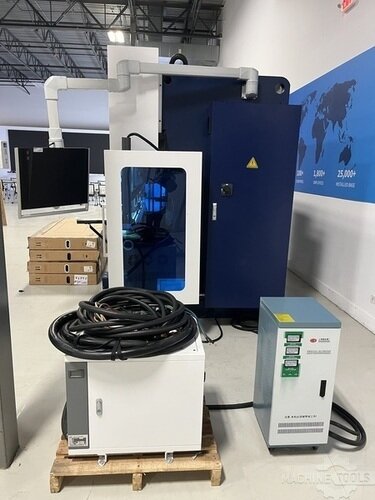
HSG HC1703
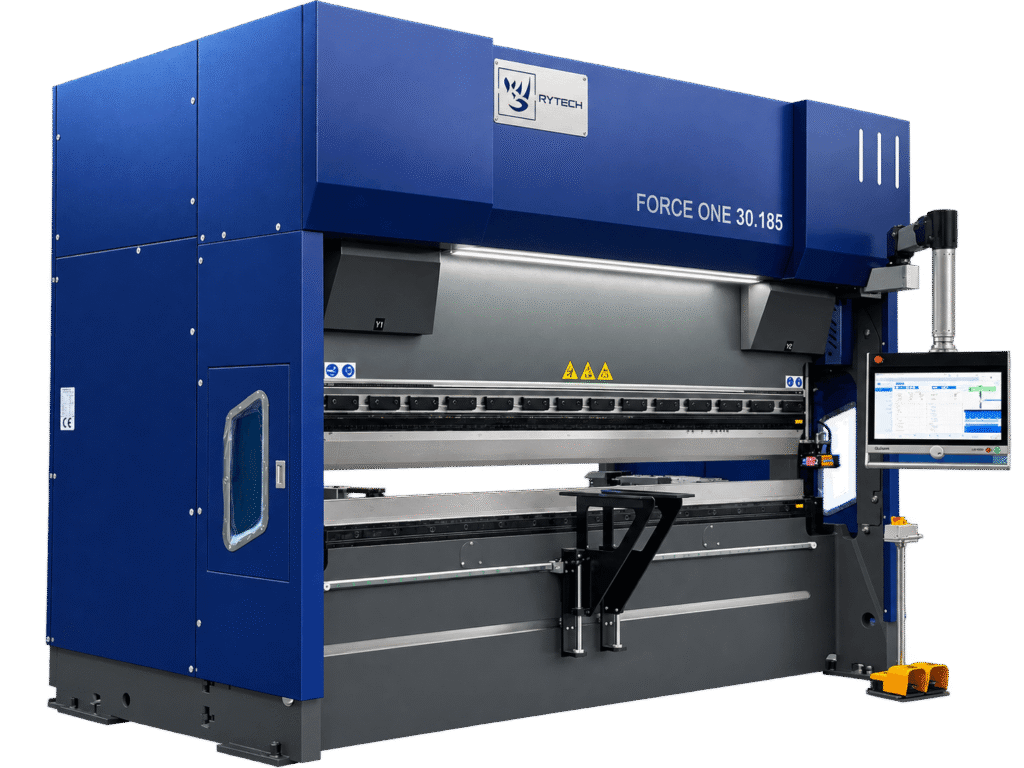
RYTECH FORCE ONE HYDRAULIC PERFORMANCE PRESS BRAKE
Stabilize Labor and Repeatability with Operator-Friendly Workflows and Error-Proofing
The best cut-to-bend plan is the one your team will actually follow on a busy Tuesday, not the one that looks great in a meeting. If the workflow depends on one expert, you will feel it when vacations, turnover, or winter sick season hits. That is why operator-friendly processes matter as much as machine specs.
Build repeatability with clear part ID, simple staging rules, and programs that are easy to find and run. Train operators in short, practical blocks, focusing on the few actions that prevent most errors: correct part orientation, correct tool set, and first-part verification. Maintenance habits help too, like keeping bending tooling clean, checking backgauge function, and doing quick daily checks so cold-weather reliability does not turn into surprise downtime.
If welding is part of your downstream flow, LightWELD can help stabilize labor by making it easier for more operators to produce consistent welds after forming, which supports overall throughput. The point is to reduce the number of judgment calls required per part so your output stays consistent even when the schedule gets tight. Fewer mistakes and rework means the laser’s speed turns into shipped product, not extra sorting and re-bending.
Next Steps for a Smarter Shop Upgrade with Footprint, Material Handling, and Uptime in Mind
Before you buy, walk the path a part takes from sheet to shipped: where it lands off the laser, how it gets identified, where it waits, how it reaches the brake, and what happens when a job changes midstream. This is where footprint planning matters, because you need space for sheet staging, finished part carts, and safe traffic flow, not just the laser and brake footprints. Also confirm the basics early, like available electrical service for a fiber laser, air requirements, and whether your floor layout supports straight-line flow.
If you are comparing equipment options, I recommend looking at the whole system and not just the cutting spec sheet. HSG lasers are a strong fit for shops that want speed and reliability, and pairing that with a bending strategy and sensible material handling is where ROI shows up. You can browse machines and options at https://shop.mac-tech.com/ and use it as a starting point for figuring out what matches your actual production mix.
FAQ
I’m upgrading from plasma to a fiber laser. Why does bending suddenly feel worse?
Plasma often limits cutting volume, so bending keeps up. Fiber can flood the brake with parts unless you plan staging, programming, and changeovers.
When does laser automation make sense, and when should I wait?
Add automation when you have repeatable demand and a controlled downstream flow. If bending is already the constraint, prioritize cut-to-bend organization before chasing more unattended cutting time.
What should I expect for footprint, power, and air in plain language?
Plan space for the machine plus sheet staging and finished-part carts, not just the footprint on paper. You will need adequate electrical capacity for the laser and clean dry air for supporting pneumatics and consistent operation.
How long does operator training usually take for a smoother cut-to-bend workflow?
Most teams see quick gains in a few focused sessions when the workflow is simple and documented. The bigger win comes from standard work, not long classroom time.
What maintenance habits help winter reliability and uptime?
Keep optics and consumables on schedule, maintain clean dry air, and follow daily checks that catch issues early. For bending, keep tooling clean and inspect backgauge and clamping functions regularly.
Do you offer financing or trade-in support?
Yes, we regularly help shops explore financing and trade-in paths as part of the upgrade plan. The right structure keeps cash flow predictable while you ramp up ROI.
How do I match laser size to what we actually need?
Start with your true part mix and what your brake cells can bend per shift. Right-sizing often beats overbuying because balanced flow produces more shipped parts with less WIP.
If you want to talk through your cut-to-bend plan and what a laser upgrade should look like in your shop, reach me at kyle@mac-tech.com or 414-704-8413, or start here: https://shop.mac-tech.com/.
Get Weekly Mac-Tech News & Updates
