
Understanding Robotic Integration in Small Batch Press Brakes
As a National Product Manager and Regional Sales Executive at Mac-Tech, I’ve had the privilege of working closely with shops across the country, modernizing their production processes. From roofing lines to intricate architectural fabrication, I’ve seen firsthand how robotic integration in small batch press brakes can revolutionize operations. In today’s high-mix, low-volume environment, the ability to quickly adapt to different production needs is crucial. Robotic loading systems enhance this flexibility, allowing for seamless transitions between batches and improving overall efficiency.
The Role of Automation in Enhancing Efficiency
Automation is no longer a luxury; it’s a necessity for shops aiming to stay competitive. Implementing automation-ready press brakes can drastically reduce cycle times and labor costs. By integrating robots for loading and unloading tasks, operators are free to focus on more complex tasks, enhancing productivity. I’ve seen installations where the incorporation of Akyapak and Erbend machines has led to significant improvements in throughput without sacrificing precision. These advancements translate to tangible ROI, making automation a smart investment.
Evaluating Your Current Machinery for Optimal Performance
Before diving into automation, it’s essential to assess your current machinery. Are your systems capable of handling robotic integration? Machines like the Stefa and Mac Shear offer compatibility with modern automation technologies. Evaluate your equipment’s performance metrics and maintenance history to determine if upgrades are necessary. In some cases, retrofitting existing machines with new technology can be a cost-effective solution to enhance performance and extend the lifespan of your equipment.
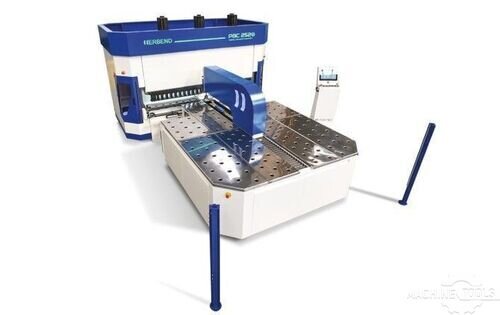
ERBEND PBC1520

ERBEND MFC INDUSTRIAL FOLDING MACHINE
Key Processes: Slitting, Forming, and Folding
The integration of robotics into slitting, forming, and folding processes can significantly boost efficiency. In particular, panel benders and coil systems are ideal candidates for automation. By automating these processes, shops can achieve consistent quality and reduce waste. I’ve observed setups where robotic systems handle the repetitive tasks of loading and positioning materials, allowing operators to focus on quality control and process optimization.
Real-World Success Stories: Improving Throughput and Precision
One of my most memorable projects involved a Midwest shop that integrated robotic systems into their press brake operations. By switching to a Rytech automated solution, they increased their throughput by 30% and reduced manual handling errors. This transformation not only improved their production metrics but also enhanced employee satisfaction by reducing physical strain. Such success stories underscore the potential of automation to transform shop floor dynamics.
When to Consider Upgrading Your Roll Former
Determining the right time to upgrade your roll former involves analyzing production demands and equipment performance. If you’re experiencing frequent breakdowns or struggling to meet production targets, it may be time to consider an upgrade. Newer models offer enhanced precision and efficiency, making them a worthwhile investment for shops looking to scale their operations.
Strategies for Effective Workflow Integration
Integrating robotics into your workflow requires careful planning and execution. Start by mapping out your current processes and identifying bottlenecks. Collaborate with experts to design a system that complements your existing operations. Effective integration should streamline your workflow, reduce downtime, and enhance overall productivity. Remember, the goal is to create a harmonious balance between human expertise and robotic precision.
FAQ Section
When is the right time to upgrade a roll former or folder?
Consider upgrading when you notice consistent downtime, increased maintenance costs, or inability to meet production demands.
How do servo-driven folders compare to hydraulic systems?
Servo-driven folders offer more precision and energy efficiency compared to traditional hydraulic systems.
What’s the difference between a combi-beam and double folder?
A combi-beam is versatile for various bending operations, while a double folder excels in high-volume, repetitive tasks.
What are signs a roll forming line is no longer cost-effective?
Frequent repairs, declining product quality, and inability to meet customer demands are clear indicators.
How can coil automation reduce operator requirements?
By automating material handling, coil systems reduce the need for manual intervention, allowing operators to focus on quality control.
What kind of maintenance schedule do panel benders need?
Regular inspections, lubrication, and software updates are essential to maintain optimal performance.
Can older shears be upgraded with safety and accuracy features?
Yes, many older shears can be retrofitted with modern safety systems and precision enhancements.
Thank you for taking the time to explore the potential of robotic integration in small batch press brakes. I’m here to assist you with any questions or to provide a personalized walkthrough of how these innovations can benefit your operations. Feel free to reach out for a demo or quote. At Mac-Tech, we’re committed to your long-term success and are eager to help you navigate the future of manufacturing with confidence.
Get Weekly Mac-Tech News & Updates
