A hydraulic drift call is one of the most common shop disruptions I handle, because it looks minor until the machine will not hold position, clamps will not maintain pressure, or a chiller alarm follows from overheating oil. As Service & Parts Lead at Mac-Tech, I keep production moving by confirming the exact machine configuration, identifying the correct OEM parts, and coordinating service so the repair is done once and documented correctly for warranty follow-through.
Clear Hydraulic Leak Symptom Documentation Speeds Warranty Approval
Most hydraulic leaks that turn into warranty delays start as small symptoms operators work around, like slow axis creep, intermittent pressure drop, or a damp film on hoses that gets wiped off without reporting. The usual root causes are seal wear, hose abrasion, loose fittings, contaminated oil, or heat cycling that hardens elastomers, affecting cylinders, valves, manifolds, pumps, hose assemblies, and filtration systems. The fastest approvals happen when you document what the machine is doing, not just what you think failed, including where the oil appears, when it occurs, and how performance changes across a shift.
What to send with the claim request
- Machine model and serial number, plus current hours or cycle count
- Photos of the leak area with a wide shot and a tight shot, plus a clean-up photo after wipe-down
- Short video showing drift, pressure decay, or oil weeping under normal operation
- Alarm history, pressure readings, oil temperature, and filter restriction indicators if available
- Maintenance notes on recent work, oil top-offs, and any non-OEM fluid or filter changes
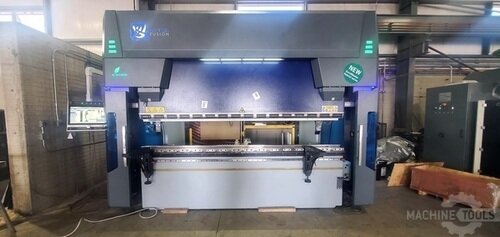
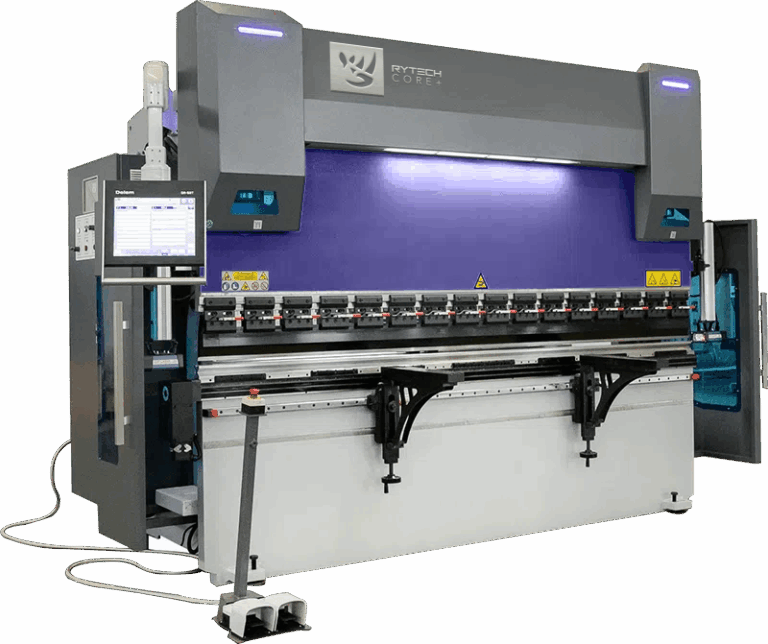
RYTECH FUSION HYBRID B32.135
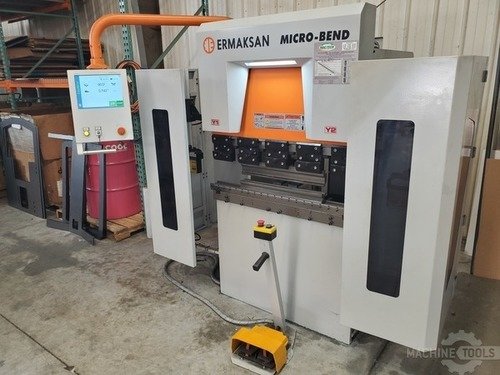
ERMAKSAN MICROBEND
The practical repair path is typically seal replacement, hose or fitting replacement, or correcting a mounting or routing issue that created abrasion, then flushing if contamination is suspected. After repair, verify pressure hold, cylinder position stability, and oil temperature trend over a normal run, then record the readings so warranty can see the correction is complete. For prevention, I recommend a quick visual leak check weekly, a documented hose and fitting inspection monthly, and oil condition and filtration checks on a planned cadence that matches your duty cycle, with OEM-accurate replacement parts sourced through https://shop.mac-tech.com/.
Early Wear Identification Reduces Downtime and Keeps Maintenance Predictable
Early warning signs are often missed because they come and go, like a slight delay in clamp response, a faint whining under load, or minor foaming in the reservoir that disappears after warm-up. These point to issues such as inlet restriction, aeration, cavitation, oil breakdown, or internal bypass, which can affect pumps, reservoir breathers, suction strainers, control valves, cylinders, and pressure regulators. When these symptoms are documented early, we can schedule parts and service before a leak becomes a shutdown and before secondary damage turns into a larger non-warranty event.
Operator checks that catch wear early
- Track pressure drop over a consistent timed hold test at the start of shift
- Note any change in cycle time, clamp force consistency, or axis holding accuracy
- Record oil level changes and top-off frequency, even if small
- Watch for temperature creep, especially after filter changes or fluid swaps
The fix is usually targeted: correct restrictions, replace compromised seals or hoses, address breather issues, and confirm fluid spec and cleanliness, then re-baseline the machine readings. After the repair, confirm stable pressure, stable temperatures, and repeatable motion, and save those results in the maintenance log for the next interval. For prevention, keep inspections consistent, align them with real production hours, and use planned maintenance parts kits so you are not mixing unknown components when time is tight.
Consistent Repair Records Help Extend Hydraulic Component and Machine Life
Hydraulic component life is often shortened by incomplete records that force repeated troubleshooting, especially when different shifts clean leaks differently or when prior repairs are not tied to specific symptoms. The root causes are commonly contamination, misrouted hoses, incorrect torque on fittings, incorrect fluid, or repeated overheating, which stresses seals, pumps, valve spools, and cylinder bores. Consistent records make it clear whether you have a one-time failure or a trend that needs a systemic correction.
Recordkeeping that prevents repeat failures
- Symptom timeline: when it started, frequency, and operating condition
- What was replaced at a category level: seals, hoses, valves, filters, pump components
- Fluid details: type, date, quantity added, and any filtration or flushing performed
- Post-repair verification results: pressure hold, drift test, temperatures, and leak recheck
The practical approach is to standardize your repair notes and attach photos before and after, then keep the same tests for every similar event so your data is comparable. After any hydraulic repair, recheck for seepage after warm-up, confirm fittings are dry after a full cycle set, and verify that drift and pressure decay remain within your normal baseline. For prevention, I advise a weekly leak audit, monthly hose routing and clamp inspection, and quarterly trend reviews of top-offs, filter indicators, and temperature logs so issues are corrected before they compound.
Getting Parts and Service Support Through Nicole Salato at nicole@mac-tech.com
Warranty coordination moves fastest when I can match your documented symptoms to the correct OEM configuration and service path, without the back-and-forth that happens when key details are missing. Many delays come from unknown serial breaks, incomplete photos, or parts requests that do not match the installed hydraulic layout, impacting assemblies like cylinders, manifold blocks, pumps, valves, hoses, filters, and sensors. When you send clear symptom documentation and machine identifiers up front, I can align parts availability, service scheduling, and warranty documentation so repairs and approvals stay on the same timeline.
If you need parts quickly, start with your model and serial, then share photos, readings, and a brief description of what changed in operation, and I will guide the next steps and the right order of operations. For common planned maintenance items and OEM replacements, you can also use https://shop.mac-tech.com/ to streamline ordering and reduce downtime risk. When training operators on what to capture, I sometimes recommend a simple digital form or workflow so every leak report includes the same evidence, and if you want to organize those maintenance requests, https://vayjo.com/ can support structured internal tracking.
FAQ
How often should we service brakes, lasers, saws, and rolls?
Most shops do operator-level checks daily and weekly, with deeper inspections every 250 to 1,000 hours depending on load, environment, and duty cycle.
How do we spot hydraulic wear before it causes downtime?
Watch for drift, slow response, pressure decay, foaming, rising oil temperature, and frequent top-offs, then document when and under what conditions it happens.
What information helps you identify the right part fastest?
Send model and serial, clear photos of the affected area, any alarm codes, machine hours, and a short symptom description including when it occurs.
Does OEM vs non-OEM really matter for hydraulic repairs?
Yes, because seal materials, hose ratings, and valve characteristics must match the machine specification to avoid repeat leaks and performance drift.
What spares should we keep on hand for uptime protection?
Common spares include filters, seals used in high-cycle areas, hose assemblies prone to abrasion, and critical sensors that can stop production.
What post-repair checks prevent repeat failures?
Recheck for leaks after warm-up, perform a pressure hold and drift test, confirm stable oil temperature, and verify hose routing and clamp support.
Contact me at nicole@mac-tech.com to schedule preventive maintenance, coordinate service, or get OEM parts support through https://shop.mac-tech.com/.
Get Weekly Mac-Tech News & Updates

Similar Posts
Keeping RYTECH Press Brakes Productive: A Practical Uptime Strategy for U.S. Fabrication Shops
RYTECH press brakes are built for performance, but long-term reliability depends on disciplined maintenance, correct parts sourcing, and fast service coordination. Here is a practical uptime strategy for shop owners and maintenance leaders.
How Proactive Parts Ordering Saves Time for Wisconsin Job Shops
Nicole Salato helps WI job shops prevent downtime via proactive service and parts sourcing. Nicole Salato Service & Parts Lead – Mac-Tech nicole@mac-tech.com
Resolving Clamping Issues in Rytech Press Brakes
In “Resolving Clamping Issues in Rytech Press Brakes,” Nicole Salato offers strategies for fabrication shops to prevent breakdowns, replace worn parts, and plan reliable service schedules. Contact: Nicole Salato Service & Parts Lead – Mac-Tech nicole@mac-tech.com
Ramp-Up Stabilization Metrics for Hydmech Uptime and Repairs
Nicole Salato shows shops how to use ramp-up stabilization metrics to prevent breakdowns, replace worn parts early, and plan reliable maintenance. Nicole Salato Service & Parts Lead – Mac-Tech nicole@mac-tech.com
HSG Fiber Laser Chiller Failures: OEM Pump and Filter Replacement
Nicole Salato guides fab shops on HSG chiller failures—preventing breakdowns, replacing OEM pumps/filters, and building reliable service schedules. Nicole Salato Service & Parts Lead – Mac-Tech nicole@mac-tech.com
Scheduled Filter Replacements for Reliable HSG Fiber Lasers
In “Scheduled Filter Replacements for Reliable HSG Fiber Lasers,” Nicole Salato guides fabrication shops in preventing breakdowns by replacing worn parts and planning reliable service schedules. Contact: Nicole Salato Service & Parts Lead – Mac-Tech nicole@mac-tech.com