I’m Kyle Bialozynski, Sales Executive at Mac-Tech, and I’ve spent a lot of time in Midwest shops where winter is not a season, it’s a production variable. I see the same pain point over and over: good cutting capacity on paper, but real throughput gets crushed by manual handling, long load and unload cycles, and parts stacking up between cutting and bending. When it’s cold, staffing is tight, and uptime matters most, a load unload tower can be the difference between steady output and a week of catch-up.
Size Up Winter Downtime and Identify the Best Load Unload Tower Fit
In winter, the most expensive downtime is the kind you did not plan for: one sick call, one forklift delay, one operator stuck shuttling sheets instead of running parts. If your fiber laser sits idle waiting on material, you are not short on capacity, you are short on flow.
A load unload tower is the cleanest first step when your staffing reality is a small team and your uptime target is nights and weekends. For many shops, pairing an HSG fiber laser with a right-sized tower turns material handling into a predictable routine so the laser stays cutting instead of waiting. The best fit is based on sheet size, mix of material thicknesses, and how often you switch between common jobs.
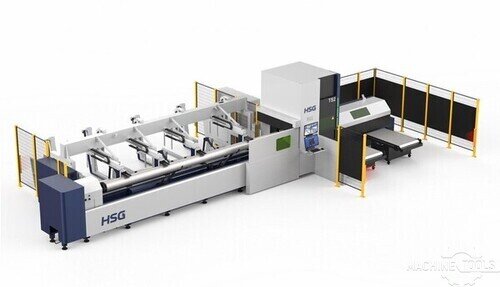
HSG TS2 HIGH SPEED TUBE FIBER LASER CUTTING MACHINE
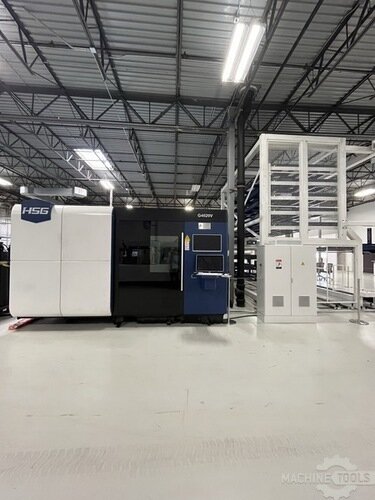
HSG G4020V 6G 30KW + STORE 4020 6
Cut Setup and Changeover Time With Quick-Teach Jobs and Repeatable Automation Routines
Small teams lose hours in tiny chunks: finding the next sheet, staging rems, checking orientation, and redoing “tribal knowledge” steps that only one person knows. Those minutes add up fast, especially when you are switching jobs frequently or trying to squeeze in short runs.
With a tower and a simple, repeatable load and unload routine, changeovers become more like selecting the next job than rebuilding the process each time. Modern automation on platforms like HSG is designed so operators can learn the rhythm quickly, then run it the same way every shift. The day-to-day win is fewer surprises: material is staged, sheets are called up consistently, and the handoff to downstream processes is cleaner.
Increase Throughput on Nights and Weekends by Keeping the Spindle Fed Without Babysitting
A lot of shops do not need more machines, they need more cutting time per day. Nights and weekends are where towers pay off because the laser can run longer without someone constantly loading, unloading, and babysitting sheet flow.
What changes on the floor:
- The laser keeps cutting while one person handles bending, deburring, or welding
- You run longer batches with fewer interruptions and fewer re-starts
- Cut parts unload in a repeatable way that is easier to schedule downstream
- Weekend output becomes realistic even with limited staffing
If your current goal is to stabilize uptime first, start with load unload and tower automation before adding more complexity. Once you trust the flow, you can decide if additional downstream automation makes sense.
Rebalance Labor With Predictable Material Handling, Fewer Touches, and Safer Parts Flow
Manual handling is not just slow, it is also where damage and safety issues sneak in. Sheet edges, part tip-over, and re-stacking headaches create rework and slowdowns, and in winter those risks grow when people are rushing or working shorthanded.
A tower reduces touchpoints by putting raw material and finished sheets into a controlled path. That means fewer forklift moves, less double-handling, and a safer flow from cut to bend and cut to weld. If your shop also uses bending heavily, this is where matching your cutting flow to downstream equipment matters, and brands like Akyapak for fabrication equipment and LightWELD for fast welding support can fit nicely once cutting output is stable.
Plan the Footprint, Power, and Maintenance for Reliable Uptime Through the Cold Months
The most common mistake I see is under-planning the space around the system. A tower needs room for sheet staging, safe fork access where needed, finished part flow, and an operator lane that does not cross traffic with bending or welding.
At a high level, plan for adequate electrical capacity for the laser and automation, stable clean air for pneumatics, and a layout that avoids dragging cold, wet material through the process. Winter reliability is also about habits: keep sensors clean, stick to lubrication and inspection intervals, and train operators on quick checks that prevent long stoppages. If you want a practical starting point for options and configurations, I usually point people to https://shop.mac-tech.com/ to compare systems and think through what fits.
Next Steps for a Smarter Shop Upgrade and a Clear ROI Plan
ROI is easiest to defend when you measure the real constraint: how many minutes per hour your laser is actually cutting. Track how often the machine waits for material, how many touches each sheet requires, and how much overtime you burn trying to recover from short staffing and winter disruptions.
From there, we right-size the tower to your actual mix, then map material flow so parts do not bottleneck between cutting and bending. If you are also evaluating a plasma-to-fiber move, we can frame the ROI around cleaner edges, less grinding time, and more predictable scheduling, not just faster cut speeds. I can also help you look at financing and trade-in options through Mac-Tech so the upgrade matches cash flow and production goals.
FAQ
Should I upgrade from plasma to a fiber laser before I add a load unload tower?
If plasma cleanup and slow cycle times are your main constraint, fiber first usually makes sense. If you already have fiber and it sits idle waiting on material, automation often delivers the fastest ROI.
When does a load unload tower make sense for a small team?
When one person loading sheets regularly interrupts cutting time or forces overtime. Towers shine when you need steady output with fewer people on nights and weekends.
How much floor space do I need for a tower system?
Enough for the laser, the tower footprint, and safe lanes for staging and part flow. I like to plan space for future growth so you are not boxed in a year later.
What power and air should I plan for in plain terms?
You will need adequate electrical service for the laser and automation and clean, dry compressed air for pneumatics. Stable utilities matter more in winter because moisture and pressure swings can create nuisance faults.
How long does operator training usually take?
Most operators pick up the routine quickly when jobs are standardized and the workflow is repeatable. The key is training on both operation and daily checks so uptime stays high.
What basic maintenance keeps winter uptime steady?
Keep sensors and rails clean, follow lubrication schedules, and do quick daily inspections before problems become downtime. Also control moisture and debris so the automation stays consistent.
Can Mac-Tech help with financing or trade-ins?
Yes, we can walk through financing options and trade-in paths so the upgrade fits your budget and timeline. The goal is a payment that is supported by real labor and uptime savings.
If you want help sizing a load unload tower to your staffing reality and winter uptime goals, reach me at kyle@mac-tech.com or 414-704-8413, and you can browse options anytime at https://shop.mac-tech.com/.
Get Weekly Mac-Tech News & Updates

Similar Posts
Upgrading from Legacy Workflows to HSG Fiber Laser Systems: A Practical Roadmap for Upper Midwest Fabricators
Fabrication leaders in Wisconsin, Minnesota, North Dakota, and South Dakota are rethinking older plasma and CO₂ workflows. Here’s how HSG fiber laser systems support higher throughput, tighter tolerances, and more predictable ROI.
Minnesota Contractors Cut Costs and Downtime with Fiber Lasers: Strategic Year-End Upgrade
Kyle Bialozynski leverages his field experience to help Minnesota contractors reduce costs and downtime with fiber lasers. His commitment to customer satisfaction and smart fabrication solutions drives success. Kyle Bialozynski – Sales Executive, Mac-Tech kyle@mac-tech.com | 414-704-8413
Midwestern Manufacturers Choose 12kW HSG Lasers for Efficient Thick Plate Cutting: Real Data on Speed, Energy, and Edge Quality
Kyle Bialozynski’s article highlights Midwestern manufacturers opting for 12kW HSG lasers to enhance thick plate cutting. With field expertise, Kyle emphasizes smart fabrication solutions and customer satisfaction. Kyle Bialozynski – Sales Executive, Mac-Tech kyle@mac-tech.com | 414-704-8413
ROI Beyond the Machine: Handling Time, Deburr, Scheduling Discipline
Kyle Bialozynski draws on shop-floor experience to guide customer-first fabrication upgrades, tackling handling time, deburr, and scheduling discipline. Kyle Bialozynski – Sales Executive, Mac-Tech kyle@mac-tech.com | 414-704-8413
Michigan Tank Manufacturers Use Akyapak Plate Rolls for Precision and Reliability: Smart Equipment Choices for ROI and Growth
Kyle Bialozynski highlights his field experience and dedication to customer satisfaction, showcasing Akyapak plate rolls as smart solutions for precision and growth in Michigan tank manufacturing. Kyle Bialozynski – Sales Executive, Mac-Tech kyle@mac-tech.com | 414-704-8413
Hydmech Automation vs Manual Sawing for ROI, Loaders, Cut Consistency
Kyle Bialozynski shares field-tested, customer-first guidance on upgrading fabrication: Hydmech automation vs manual sawing, ROI, loaders and cut consistency. Kyle Bialozynski – Sales Executive, Mac-Tech kyle@mac-tech.com | 414-704-8413