From my vantage point as Regional Sales Executive at Mac-Tech, I’ve had the privilege of helping numerous shops modernize their production processes. Whether it’s roofing lines or architectural fabrication, the integration of panel benders into coil-to-part lines is a game-changer. My journey from southern Chicago to Mac-Tech has equipped me with the insights necessary to guide businesses toward more efficient, automated manufacturing solutions.
Understanding Coil-to-Part Lines: The Role of Panel Benders
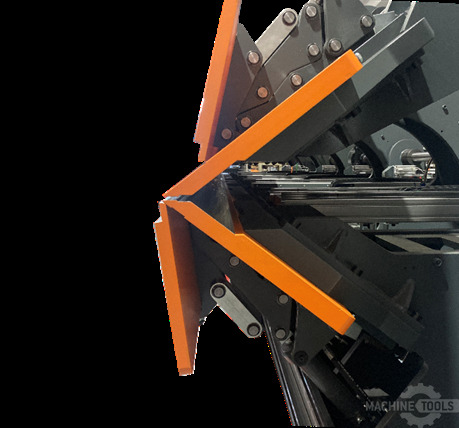
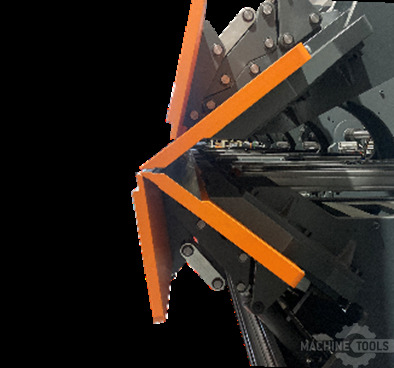
Coil-to-part lines are the backbone of many metal fabrication operations. At their core, they transform raw coil materials into finished components, ready for assembly or shipment. Panel benders play a crucial role in these lines by precisely bending panels to exact specifications. This not only speeds up production but also ensures consistent quality. The integration of panel benders into these lines links upstream feeding systems with downstream stacking, creating a seamless flow that minimizes manual intervention and maximizes output.
Enhancing Efficiency: Insights from the Field
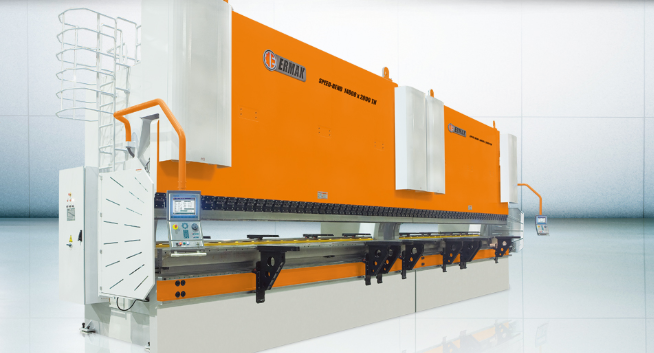
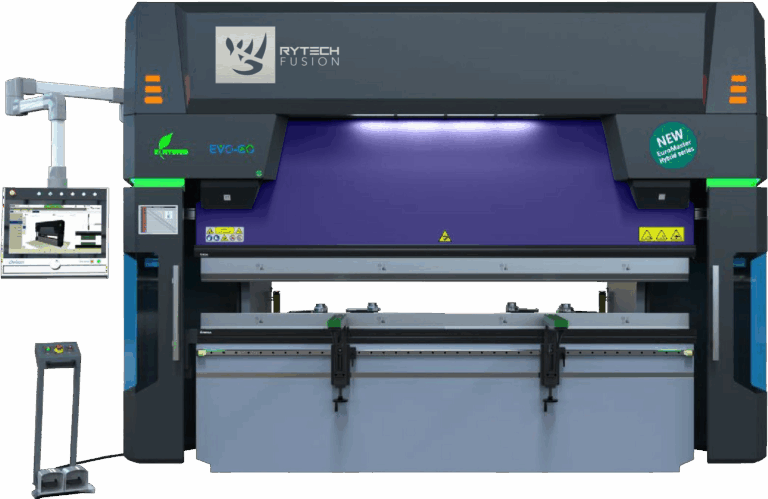
On the shop floor, I’ve witnessed the transformative power of automation. For instance, a recent installation of an Erbend panel bender in a busy fabrication shop reduced cycle times by 30%. By automating the bending process, the shop was able to reallocate labor resources to more strategic tasks, resulting in significant cost savings. The use of advanced machines like Akyapak and Rytech also enhances precision, reducing waste and improving overall product quality.
Evaluating Your Current Setup: Identifying Bottlenecks
Before diving into automation, it’s essential to evaluate your current setup. Common bottlenecks include manual handling between processes and inefficient material flow. By assessing these areas, you can identify where automation will have the most impact. For example, a shop using outdated manual folders might find that upgrading to a servo-driven system eliminates delays and increases throughput.
The Transition to Automation: Key Considerations
Transitioning to automation requires careful planning. Consider the compatibility of new panel benders with existing equipment. Brands like Stefa and Mac Shear offer models that integrate seamlessly with various coil systems. It’s also important to train your team on new technologies to ensure a smooth transition. In my experience, involving key operators early in the process fosters a sense of ownership and eases the adoption of new systems.
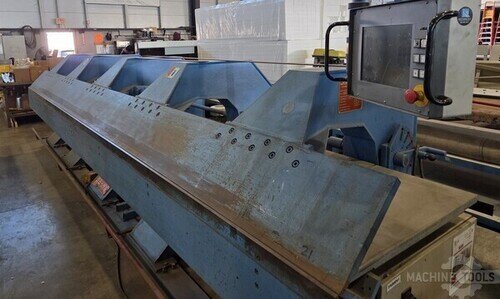
JORNS AG MAXI-LINE-150SW-SO-CNC500-6.4-HS
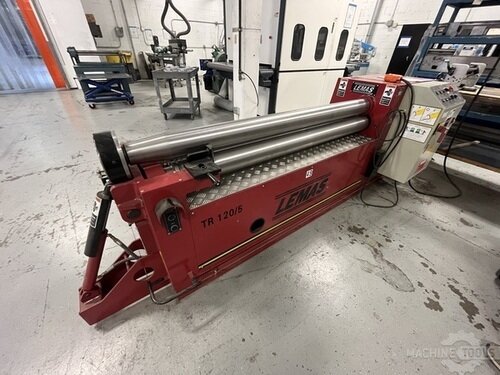
LEMAS TR-120/5
Improving Precision and Workflow Integration
Automation doesn’t just boost speed; it enhances precision. Servo-driven panel benders, for example, offer unparalleled accuracy compared to hydraulic systems. This precision translates into fewer errors and higher-quality output. Integrating these machines into your workflow requires a thoughtful approach to ensure that each component of the line communicates effectively with the others, creating a cohesive and efficient production environment.
Real-World Success: Upgrading for Better Throughput and Quality
One of the most rewarding aspects of my role is seeing the tangible benefits of upgrades. A client recently upgraded their roll forming line with a state-of-the-art panel bender. The result? A 40% increase in throughput and a significant reduction in material waste. These improvements not only enhanced their bottom line but also allowed them to take on more complex projects, expanding their market reach.
FAQ Section
When is the right time to upgrade a roll former or folder?
The right time is when you notice a decline in efficiency or an increase in maintenance costs. Upgrading can lead to better performance and lower operational costs.
How do servo-driven folders compare to hydraulic systems?
Servo-driven folders offer greater precision and speed, resulting in higher-quality outputs and reduced cycle times.
What’s the difference between a combi-beam and double folder?
A combi-beam can perform both folding and bending operations, while a double folder is typically more specialized for complex bends.
What are signs a roll forming line is no longer cost-effective?
Frequent breakdowns, high scrap rates, and slow production speeds are indicators that an upgrade might be necessary.
How can coil automation reduce operator requirements?
Automation reduces the need for manual intervention, allowing operators to focus on more strategic tasks, which can lead to labor savings.
What kind of maintenance schedule do panel benders need?
Regular maintenance, including lubrication and alignment checks, is crucial for optimal performance. Most manufacturers provide detailed schedules to follow.
Can older shears be upgraded with safety and accuracy features?
Yes, many older shears can be retrofitted with modern safety guards and digital readouts to enhance both safety and precision.
I invite you to reach out for a walkthrough, demo, or quote. With years of experience and a commitment to customer success, I’m here to help you navigate the transition to seamless automation. Let’s work together to elevate your production capabilities.
Get Weekly Mac-Tech News & Updates

Similar Posts
OEM Punch Holder Height Compatibility Reduces Setup Time, Scrap
Pat O’Neill explains how standardizing OEM punch holder height compatibility streamlines coil-fed forming operations by reducing setup time and minimizing trial adjustments. With consistent tooling heights, operators achieve better forming accuracy, more stable hit-to-hit performance, and fewer dimensional errors that drive scrap. The article emphasizes making smarter forming and coil-fed system choices to boost throughput, improve line reliability, and maintain quality across runs while lowering downtime and material waste. Pat O’Neill National Product Manager / Regional Sales Executive, Mac-Tech pat@mac-tech.com | 414-232-7929
Manual Lever Express Clamps Cut Press Brake Changeover Time
Pat O’Neill explains how manual lever express clamps can reduce press brake changeover time, helping shops maintain higher throughput and more consistent part quality. By simplifying tool clamping and improving setup repeatability, operators can hold forming accuracy, minimize handling errors, and cut scrap and rework. The article emphasizes choosing forming solutions and coil-fed system approaches that support fast, reliable transitions between jobs, strengthening overall line reliability and responsiveness. Pat O’Neill National Product Manager / Regional Sales Executive, Mac-Tech pat@mac-tech.com | 414-232-7929
Faster, Safer Setup with Sectional Express Clamps Upper Beam
Pat O’Neill explains how Sectional Express Clamps for the upper beam speed setup while improving safety and consistency in coil-fed roll forming. By stabilizing tooling alignment and reducing manual adjustments, the clamps help achieve more accurate forming, fewer defects, and lower scrap rates. He emphasizes that smarter forming choices and well-integrated coil-fed system decisions increase throughput, minimize unplanned downtime, and strengthen overall line reliability, making changeovers faster and production more predictable. Pat O’Neill National Product Manager / Regional Sales Executive, Mac-Tech pat@mac-tech.com | 414-232-7929
Unlock Precision and Speed with CNC Folder Upgrade
Pat O’Neill, a National Product Manager and Regional Sales Executive at Mac-Tech, discusses enhancing production efficiency through CNC folder upgrades. He emphasizes the importance of precision and speed in manufacturing and explains how advanced roll forming, folding, and coil-fed fabrication systems can significantly improve these aspects. Pat assists customers in optimizing their production processes by implementing these technologies, leading to increased output and reduced costs. For further inquiries or assistance, Pat can be contacted at pat@mac-tech.com or 414-232-7929.
Stefa Gutter Roll Forming Cuts Scrap, Improves Throughput
The article explains how Stefa gutter roll forming boosts productivity by making smarter roll-forming and coil-fed system choices. By optimizing forming stations, tooling, and material handling, the line maintains tighter profiles and more consistent cut lengths, reducing rework and scrap. Integrated coil feeding, controls, and cutoff coordination improve speed without sacrificing accuracy, while better guidance, tensioning, and changeover practices increase uptime. The result is higher throughput, improved forming reliability, and steadier output quality. Pat O’Neill National Product Manager / Regional Sales Executive, Mac-Tech pat@mac-tech.com | 414-232-7929
Choosing Hybrid Over Electric Drives in Rytech Systems: Cost and Precision Benefits
The article by Patrick O’Neill discusses the advantages of choosing hybrid drives over electric ones for Rytech Systems, focusing on cost-effectiveness and precision. Pat emphasizes how manufacturers can enhance production efficiency, forming accuracy, and line reliability by selecting the right machinery, incorporating automation, and engaging in practical planning. He provides insights on optimizing manufacturing processes to achieve better outcomes. Pat O’Neill National Product Manager / Regional Sales Executive, Mac-Tech pat@mac-tech.com | 414-232-7929