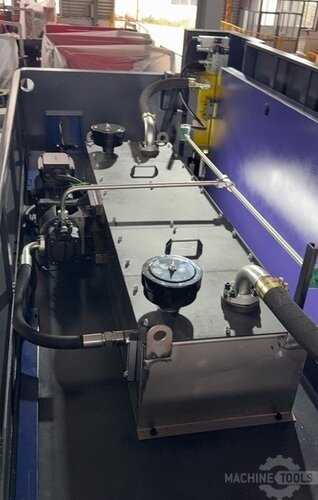
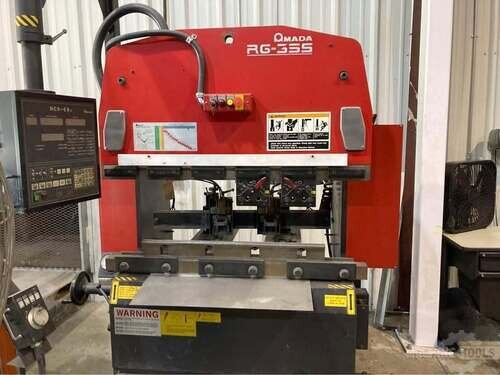
A chiller alarm that starts as an occasional nuisance often turns into a full stop when the coolant temp drifts and the saw begins to cut inconsistently. I handle these situations every week by identifying the correct Hydmech OEM components quickly, then coordinating the right field service response so production keeps moving. My goal is simple: restore stable uptime fast, verify the repair holds, and prevent the next unplanned interruption with the right planned maintenance actions.
Baseline Uptime and Repair Metrics for Ramp-Up Stabilization
After ramp-up, instability usually comes from small misses that compound: operators bypassing warmup steps, minor coolant loss, blade tracking drifting, or sensors giving intermittent feedback that no one trends. The early warning signs operators miss are repeated minor alarms, gradually longer cycle times, more frequent manual overrides, and small quality escapes that show up as rework. These problems typically involve the coolant and lubrication systems, hydraulic systems, electrical sensors and switches, blade guides, and material clamping systems.
Weekly stabilization metrics I review
- Uptime percentage and minutes lost by category: mechanical, electrical, coolant, hydraulic, operator
- Mean time between stops and repeat-failure rate for the same fault within 14 days
- Work order reopen rate and first-time-fix percentage after a service visit
- Quality indicators tied to uptime: cut squareness trends, burr and finish complaints, blade life variance
- Operator adoption: number of overrides, skipped PM checks, and incomplete shift inspections
The practical fix is to tag downtime to the true root cause, replace or adjust with OEM-accurate components, then confirm performance with a short post-repair verification run and checklist. After every repair, I want operators to confirm stable blade tracking, normal hydraulic pressures, correct coolant flow, and no recurring alarms across at least one full shift. Prevention is a weekly metric review plus daily operator checks, with a structured PM cadence that keeps the machine in a predictable window instead of chasing failures.
Early Wear Indicators that Prevent Unplanned Downtime
Most unplanned downtime starts as wear: a seal begins to seep, a proximity sensor gets contaminated, a guide bearing roughens, or a hydraulic valve starts to drift. Operators often miss the early signs because the saw still runs, but you can see it in small coolant puddles, slight pressure fluctuations, inconsistent clamp behavior, noisy guide assemblies, or rising motor load. The systems most affected are hydraulic power and valves, coolant pumps and filtration, blade guides and bearings, electrical sensors, and guarding interlocks.
The fastest fix is to correct the source, not the symptom: replace worn seals and hoses, clean and validate sensors, rebuild or replace guide components, and restore proper coolant concentration and flow. After the repair, check for stable pressure readings, consistent feed and clamp response, clean sensor actuation, and steady coolant temperature with no new leaks. For prevention, I recommend daily walk-around checks for leaks and sound changes, weekly inspection of guides and sensors, and trend alarms or recurring adjustments so we address wear before it becomes downtime.
Predictable Maintenance Intervals that Extend Hydmech Machine Life
Stabilization only holds if maintenance becomes predictable and measurable, not reactive. Failures commonly follow missed basics: coolant concentration drifting, filters loading up, guide alignment moving, hydraulic oil contamination, or brakes and clamps wearing past adjustment range. The early warnings are rising blade consumption, increased vibration, more frequent adjustments, slow clamp response, and higher-than-normal amperage during cuts.
Practical PM intervals that support stable uptime
- Daily: coolant level and concentration check, leak check, blade tracking and guide condition scan
- Weekly: clean strainers and screens, inspect hoses and fittings, verify sensor cleanliness and cable strain relief
- Monthly to quarterly: coolant tank cleanout as needed, hydraulic oil and filter condition review, alignment verification and fastener torque checks
- Semiannual to annual: deeper inspection of wear components, electrical cabinet cleaning, validation of clamping and brake function where applicable
The replacement approach should stay OEM-accurate for fit, material compatibility, and predictable service life, especially in seals, sensors, pumps, and wear components that directly affect uptime. After any PM action, confirm the machine returns to baseline: stable pressures, correct coolant flow, consistent cut quality, and no new alarms under normal production load. If you need to stage common Hydmech wear items, I can help you build a spares plan and source parts through https://shop.mac-tech.com/ so you are not waiting when the next wear signal appears.

2002 HYD-MECH S-20 SERIES II BAND SAW
- Year: 2002
- Power: 3hp
- Blade Width: 1″
- Blade Thickness: 0.35″
- Blade Length: 162″
- Dimensions: 93x86x52
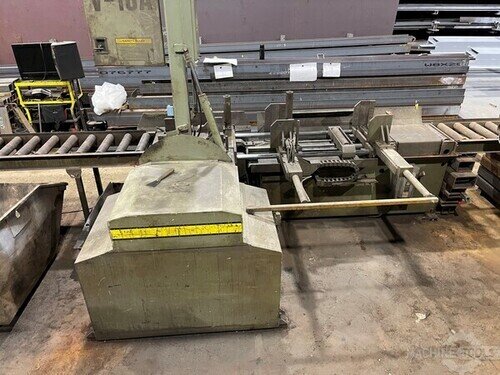
HYDMECH V-18A
Getting Parts and Service Support from Nicole Salato at nicole@mac-tech.com
When a Hydmech issue hits during stabilization, speed depends on accurate identification and coordinated response. The common causes I see are mismatched non-OEM replacements, incomplete fault details, or skipped post-repair checks that allow repeat failures. The affected areas can span coolant systems, hydraulics, blade guides, sensors, drives, and safety interlocks, so I focus on narrowing the fault fast and verifying the correct category of component before anything ships or a technician is dispatched.
To move quickly, I align OEM parts accuracy with service scheduling and a clear post-repair verification plan, then we track whether the fix holds in the weekly stabilization metrics. Send me the model and serial, photos of the issue area, alarm codes, and a short description of what changed leading up to the stop, and I will coordinate the right parts and service path. If you are also evaluating operator adoption tools and digital standard work to reduce overrides and missed inspections, https://vayjo.com/ can support that effort when it aligns with your team’s workflow.
FAQ
What service intervals should we plan for saws, lasers, brakes, and rolls?
Most shops use daily checks and weekly clean-and-inspect routines, with deeper monthly to quarterly PM depending on hours and environment. For brakes and roll-related wear surfaces, plan inspections every 1 to 3 months in heavy use and adjust based on measured wear.
How do we spot wear before it becomes downtime?
Look for repeating minor alarms, small leaks, rising blade usage, inconsistent clamp behavior, and more frequent adjustments. Trend these weekly so small issues do not hide inside normal production noise.
What information should I send to identify the right part fast?
Send the machine model and serial number, clear photos, alarm codes, and what changed right before the problem started. If possible, include a short video of the symptom and your last PM date.
OEM vs non-OEM parts, what is the real risk?
Fit and material compatibility matter most in seals, sensors, pumps, and wear components that impact safety and uptime. OEM-accurate parts reduce repeat failures and shorten troubleshooting time during stabilization.
What spares should we keep on hand to protect uptime?
Keep a small kit of high-wear and high-impact items tied to your top downtime categories, such as common sensors, seals, hoses, and guide wear components. I can help you match spares to your specific Hydmech usage and failure history.
What post-repair checks prevent repeat failures?
Confirm stable pressures and flows, verify sensor actuation, run a controlled test cut, and check cut quality consistency across a full shift. Then confirm the issue stays closed in the weekly metrics without new overrides or related alarms.
Contact me for preventive maintenance scheduling, service coordination, or OEM parts support at nicole@mac-tech.com, and you can also source parts through https://shop.mac-tech.com/.
Get Weekly Mac-Tech News & Updates

Similar Posts
How Proactive Parts Ordering Saves Time for Wisconsin Job Shops
Nicole Salato helps WI job shops prevent downtime via proactive service and parts sourcing. Nicole Salato Service & Parts Lead – Mac-Tech nicole@mac-tech.com
Resolving Clamping Issues in Rytech Press Brakes
In “Resolving Clamping Issues in Rytech Press Brakes,” Nicole Salato offers strategies for fabrication shops to prevent breakdowns, replace worn parts, and plan reliable service schedules. Contact: Nicole Salato Service & Parts Lead – Mac-Tech nicole@mac-tech.com
HSG Fiber Laser Chiller Failures: OEM Pump and Filter Replacement
Nicole Salato guides fab shops on HSG chiller failures—preventing breakdowns, replacing OEM pumps/filters, and building reliable service schedules. Nicole Salato Service & Parts Lead – Mac-Tech nicole@mac-tech.com
Scheduled Filter Replacements for Reliable HSG Fiber Lasers
In “Scheduled Filter Replacements for Reliable HSG Fiber Lasers,” Nicole Salato guides fabrication shops in preventing breakdowns by replacing worn parts and planning reliable service schedules. Contact: Nicole Salato Service & Parts Lead – Mac-Tech nicole@mac-tech.com
Resolving Akyapak Gearbox and Motor Wear for Reliable Operation
In “Resolving Akyapak Gearbox and Motor Wear for Reliable Operation,” Nicole Salato guides fabrication shops in preventing breakdowns, replacing worn parts, and planning reliable service schedules. Contact: Nicole Salato Service & Parts Lead – Mac-Tech nicole@mac-tech.com
Ensuring Reliable Optics in HSG Fiber Lasers
In “Ensuring Reliable Optics in HSG Fiber Lasers,” Nicole Salato advises fabrication shops on preventing breakdowns by replacing worn parts and planning reliable service schedules. For more info: Nicole Salato Service & Parts Lead – Mac-Tech nicole@mac-tech.com