
Mac-Tech has built a reputation for matching Midwestern manufacturers with metal fabrication equipment that improves throughput, consistency, and scheduling confidence. For Illinois fabricators and Iowa job shops running mixed part work, press brake quick-change clamping systems and smarter tooling layouts are a strategic upgrade that targets two common profit leaks: long changeovers and avoidable rework. When the right clamping approach is paired with organized tool staging and disciplined setup practices, operators spend more time bending parts and less time handling tooling.
Quick-Change Press Brake Clamping Boosts Uptime and Accelerates Job Changeovers
Quick-change clamping reduces the manual steps required to load, align, and secure press brake tooling, helping crews move from job to job with less downtime. This matters most in Illinois and Iowa shops that run short runs, frequent changeovers, or high-mix schedules where setup time can quietly consume capacity. The result is a more predictable bending department that can keep pace with upstream cutting and downstream welding.
Performance and ROI drivers:
- Reduced setup time between jobs, especially on mixed part runs
- Less manual handling and fewer opportunities for tool seating mistakes
- More consistent setups between operators and shifts
- Payback typically improves with higher changeover frequency and tighter delivery windows
ROI is conditional and depends on utilization, part mix, staffing experience, and material flow, but faster changeovers commonly translate into measurable capacity recovery. Mac-Tech supports buyers through consultation, procurement, installation planning, operator training, and post-sale service coordination so the upgrade performs in real production, not just on paper.
Precision Tool Seating Improves Bend Accuracy and Slashes Rework Costs Across Mixed Part Runs
Consistent tool seating is a direct lever on bend accuracy, angle repeatability, and first-piece acceptance, particularly when multiple operators share a press brake across shifts. Quick-change clamping and standardized tool layouts help reduce variability introduced by uneven seating, rushed setups, or inconsistent tightening methods. For transportation, construction, and heavy equipment suppliers, fewer deviations can mean fewer fit-up issues downstream.
Rework reduction is often where the financial return becomes most visible, especially in high-value parts or assemblies where a single bend error cascades into scrap, rework labor, and schedule disruptions. Payback depends on how often defects occur today, how quickly they are caught, and whether the shop typically runs prototypes, small batches, or engineered-to-order work. Mac-Tech helps evaluate the current process, identify the most practical tooling approach, and coordinate training that reinforces setup discipline and quality checks.
Higher Throughput From Faster Setups Keeps Operators Cutting Parts Instead of Waiting on Tooling
When setups shrink, operators spend more hours per shift producing sellable parts rather than staging, searching, or reconfiguring tools. In many Illinois fabricators and Iowa job shops, the bottleneck is not press tonnage but changeover time and the ripple effects that follow, such as waiting on a setup-capable operator or hunting for the correct tooling. A quick-change strategy supports smoother scheduling and can reduce the need for overtime that stems from avoidable downtime.
Ideal candidates for quick-change ROI:
- High-mix, low-to-mid volume bending with frequent tool swaps
- Shops supporting agriculture, trailers, truck bodies, and job shop fabrication
- Operations with multiple operators per press brake or multiple shifts
- Teams aiming to standardize setups to stabilize quality and delivery
Throughput gains are conditional, since the true constraint may shift to programming, material handling, or downstream welding, but reducing changeover time is often the fastest way to reclaim bending capacity. Mac-Tech works through the full modernization path, including workflow review, vendor coordination, installation timing, and service follow-through to protect uptime after the upgrade.
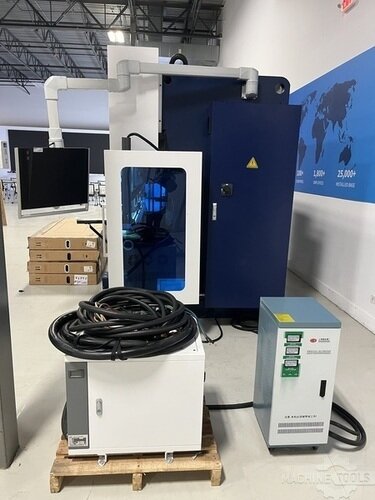
HSG HC1703
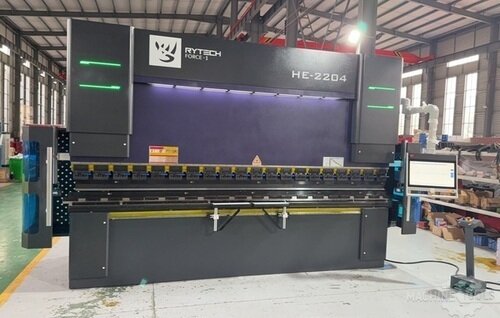
RYTECH FORCE-1 HE 2204
Right-Sized Footprint and Flexible Tooling Options Fit IL and IA Shops Without Sacrificing Capacity
Quick-change clamping and smarter tool layouts can be implemented without forcing a complete shop rearrangement, making them practical for space-conscious facilities. Many Midwestern manufacturers want measurable improvement while keeping familiar workflows, existing press brakes, and proven tooling families where it makes sense. The right approach focuses on standardization, organized tool staging, and compatibility with the shop’s typical parts and materials, without overcomplicating the cell.
Flexible tooling strategies also help balance versatility and repeatability, especially when a single brake supports diverse jobs across agriculture, construction, and transportation work. ROI depends on how well the selected tooling approach matches the real mix of bends, flange lengths, and quality requirements, as well as how consistently setups are performed. Mac-Tech provides guidance to right-size the solution, coordinate procurement, and support operator adoption so the upgrade delivers durable gains.
Next Steps to Compare Listings and Quote a Quick-Change Press Brake Tooling Upgrade Through Mac-Tech as H2 headings (##). Write 2–4 short paragraphs per section (2–4 sentences each).
Illinois and Iowa buyers can start by reviewing available press brake tooling, clamping, and productivity solutions through Mac-Tech’s online listings, then narrowing options based on current changeover time, rework drivers, and job mix. A focused review typically includes how tooling is stored and staged, how frequently setups change, and where quality checks occur in the process. Exploring current options at https://shop.mac-tech.com/ helps create a baseline for what is available and what fits the production plan.
For a quote that reflects real ROI, the fastest path is to provide part families, typical material types and thickness ranges, changeover frequency, and the number of operators per shift. Mac-Tech can then align the tooling and clamping strategy to the shop’s constraints, timeline, and commissioning expectations, coordinating installation and training to minimize disruption. If additional workflow visibility is helpful for comparing modernization paths, https://vayjo.com/ can support planning and communication across production teams.
FAQ
What materials and applications are best suited for quick-change press brake clamping?
It is commonly used across typical fabricated metals and mixed part bending where frequent tool changes occur. Suitability depends on the shop’s tooling standards, parts, and quality requirements.
How should delivery, installation, and commissioning be planned to avoid downtime?
Scheduling around production peaks and pre-staging tooling and training reduces disruption. Mac-Tech coordinates timing, installation needs, and startup support based on the facility’s constraints.
How quickly do operators adopt quick-change clamping and standardized tool layouts?
Adoption is usually faster when the setup process is documented and the tooling location and naming are standardized. Training and consistent setup checklists help ensure repeatable results across shifts.
What maintenance is required to protect uptime?
Routine cleaning, inspection of wear points, and consistent handling practices help maintain repeatability. Mac-Tech can coordinate service guidance and support resources for long-term reliability.
Will a quick-change upgrade work with an existing press brake workflow?
In many cases, yes, but compatibility depends on the current tooling style and how the shop stages tools and programs jobs. A brief review of existing processes clarifies the best-fit approach.
Are trade-in and financing options available for modernization projects?
Options vary by project scope and equipment category, and eligibility depends on the specific configuration. Mac-Tech can review available paths during the quoting process.
What information is needed for an accurate quote?
Part examples or drawings, material types, changeover frequency, current tooling style, and production goals are the most helpful. Operator count, shift patterns, and delivery targets further refine recommendations.
For more info: 888-MAC-9555, or find Mac-Tech on LinkedIn.
Get Weekly Mac-Tech News & Updates
