On coil-fed panel and trim jobs, I keep seeing the same pattern: the line can run fast, but the press brake becomes the pacing item the moment operators start swapping punches, dies, or clamping hardware between short runs. The bottlenecks rarely come from forming tonnage alone. They come from inconsistent setup routines, tool handling that is slow or unsafe, and clamp systems that add minutes to every change while amplifying rework when tools are not seated the same way twice.
Diagnosing Press Brake Changeover Losses in Coil-Fed, Cut-to-Length, and Cell-Based Production
In coil-fed and cut-to-length environments, changeover losses hide in plain sight because they are distributed across stops, micro-adjustments, and first-piece scrap. The press brake may be waiting on a Mac Shear cut-to-length cycle, a coil system feed correction, or simply the time it takes to loosen, shift, and re-tighten segmented tooling. In cell-based production, the same issues show up as schedule instability where short runs pile up because nobody wants to touch the setup.
Real-world symptoms I look for:
- Operators re-checking centerline and height after every tool move
- First-piece scrap after changeovers due to seating variance
- Tooling staged on the floor because cart space is limited
- Frequent pinch-point exposure during clamp tightening
Once you quantify clamp time separately from gauging, program selection, and material handling, you can target the biggest lever. Manual Lever Express Clamps are often the simplest way to remove wasted motion without forcing a full control retrofit or a new brake. The result is less downtime per setup and more consistent tool seating, which reduces the adjustment loop that burns capacity.
Manual Lever Express Clamps Versus Quick-Clamp Tooling Impact on Accuracy, Safety, and Throughput
Manual Lever Express Clamps reduce the physical steps required to lock and release tooling, so operators can swap sections quickly while keeping their hands out of the worst pinch zones. In practical terms, that means fewer wrench turns, less leaning into the bed, and fewer instances where a tool is slightly mis-seated because the clamp force was applied unevenly. When the clamp action is consistent, repeatability improves and you stop paying for rework in the form of angle variation and secondary straightening.
Quick-clamp tooling and more automated clamping options can go further, especially in higher volume or lights-out strategies, but they often require tighter standardization and higher up-front cost. Manual lever solutions hit a strong middle ground when you want measurable time savings now while preserving flexibility for mixed tool stacks and segmented setups. For many shops, that staged approach is the fastest way to stabilize throughput and reduce overtime tied to changeovers.
Decision criteria I use with customers:
- Clamp time per setup and setups per shift
- Tooling mix, segmentation, and number of operators involved
- Safety constraints and observed near-miss points
- Repeatability requirements for long panels and architectural parts
- Budget and appetite for staged upgrades versus full automation
Material Flow and Handling Integration with Folding, Slitting, Shearing, and Rolling Operations
Press brake changeover time is rarely just a press brake problem when material is coming from a slitter, shear, or roll forming workflow. Coil systems and upstream operations like slitting and cut-to-length can create small variations in flatness or length that operators compensate for at the brake, which stretches setup time and increases first-off scrap. When you tighten clamping and setup repeatability, you can better see the upstream variables and correct them at the source instead of fighting them at the brake.
In folding and panel production, integrating the right handoff between a shear and a folder or panel bender can remove entire press brake steps for certain parts. That is where equipment like Erbend folders or panel benders can excel for long, thin panels with lots of hems and edge work, while Akyapak rolling solutions fit when radius work is driving secondary operations. The best throughput gains happen when the clamp upgrade supports a cleaner flow, not when it simply makes one station faster while the rest of the cell stays disorganized.
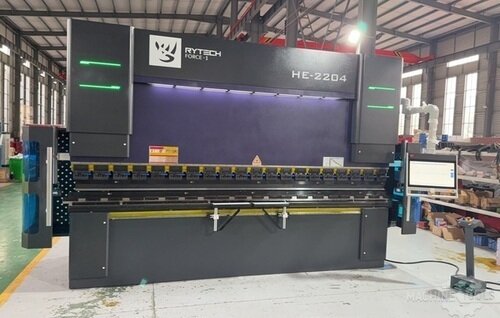
HSG HC1703
Automation Options to Reduce Changeover Time Offline Setup, Tool Presetting, and Standardized Programs
Manual Lever Express Clamps deliver immediate wins, but the next level comes from making setup predictable. Offline setup, tool presetting, and standardized programs reduce the tribal knowledge factor so any trained operator can hit a repeatable first part with fewer test bends. This matters most in high-mix work where the brake is constantly shifting between gauges, part families, and bend sequences.
What consistently reduces setup time beyond the clamp:
- Standard tool maps and documented tool locations by part family
- Tool presetting and inspection routines to catch wear before it becomes scrap
- Offline programming and standardized naming conventions for programs
- Dedicated staging carts and kitting per job so tools move as a set
- Simple checklists that lock down backgauge, crowning, and bend order
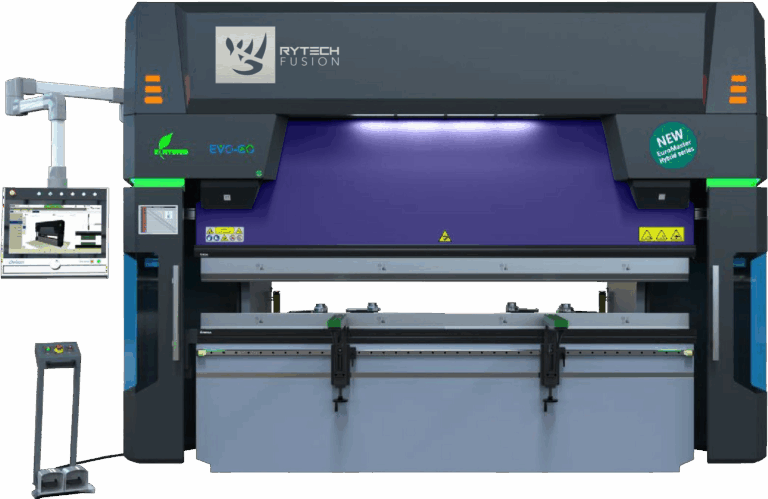
If you are also running Rytech automation around material movement, you can reduce the non-value-added handling that turns changeovers into extended events. The key is choosing automation that fits the reality of your product mix, not automation that forces you into long batches just to justify the workflow. A staged plan typically starts with clamping, then standardization, then selective automation once the baseline is stable.
Next Steps for Selecting and Implementing a Press Brake Clamping Upgrade with Clear ROI Targets
I recommend starting with a short time study that separates tool change, clamp action, first-piece validation, and adjustment loops. From there, we build ROI around setups per shift, average clamp minutes saved, scrap reduction on first-offs, and labor redeployment to higher-value tasks like inspection, kitting, or upstream coil prep. The goal is not only faster changeovers, but also tighter scheduling and fewer surprise delays that ripple into shipping.
ROI drivers that make the case quickly:
- Minutes saved per changeover multiplied by daily setups
- Reduced first-piece scrap and rework loops
- Safety improvements that reduce risk and unplanned stoppages
- Increased available capacity without adding headcount or overtime
If you want to explore clamping and related press brake accessories, start at https://shop.mac-tech.com/ to see available options and configurations. When you are tying the brake into coil-fed workflows, it also helps to look at broader line integration and quoting workflows, and https://vayjo.com/ can support that conversation when you are trying to standardize and accelerate quoting and production planning.
FAQ
When should I upgrade clamping versus buying a new press brake?
If the brake is mechanically sound but losing hours to tool swaps and inconsistent seating, clamping is usually the fastest ROI before a full replacement.
Servo versus hydraulic forming, what matters for changeover time?
Changeover is more about tooling strategy, clamps, and program standardization, but servo systems can improve repeatability and reduce tuning time on mixed gauges.
What is the best setup reduction strategy for high-mix work?
Start with faster, safer clamping, then implement tool maps, kitting, and standardized programs so first-piece validation is consistent.
How do coil handling improvements reduce press brake downtime?
Better straightening, stable feed, and consistent cut quality reduce the corrections operators make at the brake, cutting first-piece scrap and adjustment loops.
When is a panel bender a better choice than a press brake?
If you are making lots of long, thin panels with repetitive edge folds and hems, an Erbend-style folding approach can reduce touch time and stabilize quality.
What maintenance points cause changeovers to drift over time?
Tool wear, clamp wear surfaces, bed cleanliness, and inconsistent lubrication or fastener torque can all introduce variation that shows up as angle drift after setups.
What information do you need from me to size a system correctly?
Send profiles, gauges, material type, coil width if applicable, target throughput, current changeover times, and photos of your tooling and clamp area.
Reach out to me for a quick walkthrough, demo, or a staged upgrade plan at pat@mac-tech.com or 414-232-7929, and you can also review options at https://shop.mac-tech.com/.
Get Weekly Mac-Tech News & Updates

Similar Posts
Faster, Safer Setup with Sectional Express Clamps Upper Beam
Pat O’Neill explains how Sectional Express Clamps for the upper beam speed setup while improving safety and consistency in coil-fed roll forming. By stabilizing tooling alignment and reducing manual adjustments, the clamps help achieve more accurate forming, fewer defects, and lower scrap rates. He emphasizes that smarter forming choices and well-integrated coil-fed system decisions increase throughput, minimize unplanned downtime, and strengthen overall line reliability, making changeovers faster and production more predictable. Pat O’Neill National Product Manager / Regional Sales Executive, Mac-Tech pat@mac-tech.com | 414-232-7929
Seamless Automation: Panel Benders in Coil-to-Part Lines
In the article Seamless Automation: Panel Benders in Coil-to-Part Lines, Pat O’Neill, a National Product Manager and Regional Sales Executive at Mac-Tech, discusses how manufacturers can enhance production efficiency, forming accuracy, and line reliability. Pat emphasizes the importance of selecting the right machines and integrating automation into manufacturing processes. He advocates for real-world planning to ensure seamless operations and optimal performance. By focusing on these strategies, Pat assists manufacturers in achieving more productive and reliable production lines. Pat O’Neill National Product Manager / Regional Sales Executive, Mac-Tech pat@mac-tech.com | 414-232-7929
Unlock Precision and Speed with CNC Folder Upgrade
Pat O’Neill, a National Product Manager and Regional Sales Executive at Mac-Tech, discusses enhancing production efficiency through CNC folder upgrades. He emphasizes the importance of precision and speed in manufacturing and explains how advanced roll forming, folding, and coil-fed fabrication systems can significantly improve these aspects. Pat assists customers in optimizing their production processes by implementing these technologies, leading to increased output and reduced costs. For further inquiries or assistance, Pat can be contacted at pat@mac-tech.com or 414-232-7929.
Stefa Gutter Roll Forming Cuts Scrap, Improves Throughput
The article explains how Stefa gutter roll forming boosts productivity by making smarter roll-forming and coil-fed system choices. By optimizing forming stations, tooling, and material handling, the line maintains tighter profiles and more consistent cut lengths, reducing rework and scrap. Integrated coil feeding, controls, and cutoff coordination improve speed without sacrificing accuracy, while better guidance, tensioning, and changeover practices increase uptime. The result is higher throughput, improved forming reliability, and steadier output quality. Pat O’Neill National Product Manager / Regional Sales Executive, Mac-Tech pat@mac-tech.com | 414-232-7929
Choosing Hybrid Over Electric Drives in Rytech Systems: Cost and Precision Benefits
The article by Patrick O’Neill discusses the advantages of choosing hybrid drives over electric ones for Rytech Systems, focusing on cost-effectiveness and precision. Pat emphasizes how manufacturers can enhance production efficiency, forming accuracy, and line reliability by selecting the right machinery, incorporating automation, and engaging in practical planning. He provides insights on optimizing manufacturing processes to achieve better outcomes. Pat O’Neill National Product Manager / Regional Sales Executive, Mac-Tech pat@mac-tech.com | 414-232-7929
CNC Panel Benders: Cut Setup Time with Software Presets
In the article, CNC Panel Benders: Cut Setup Time with Software Presets, Patrick (Pat) O’Neill discusses strategies to enhance manufacturing efficiency, accuracy, and reliability. He emphasizes the importance of selecting the right machines, implementing automation, and engaging in practical planning. By using software presets, manufacturers can significantly reduce setup times, leading to improved production processes. Pat offers insights into optimizing operations through advanced technology and thoughtful decision-making. Pat O’Neill National Product Manager / Regional Sales Executive, Mac-Tech pat@mac-tech.com | 414-232-7929