
Mac-Tech continues to set the pace for metal fabrication equipment across the Midwest, connecting shops with fiber laser cutting systems that align with real production goals and real facility constraints. For Illinois fabricators and Iowa job shops weighing new versus used fiber lasers, the decision often hinges on throughput, staffing, floor space, and risk tolerance more than sticker price. Louie Aviles’ equipment focus for Illinois and Iowa buyers centers on matching workload and material flow to the right fiber laser configuration, then supporting the full path from selection through commissioning and long-term uptime.
New vs Used Fiber Lasers in Illinois Balancing Purchase Price with Performance and Warranty Confidence
Illinois fabricators typically compare new and used fiber lasers by evaluating total risk, not just monthly payment. A used fiber laser can accelerate entry into fiber technology at a lower capital outlay, while a new machine usually offers stronger warranty coverage, predictable service pathways, and current-generation controls and safety standards.
Buyer decision framework:
- Production hours and peak utilization expectations
- Mix of thin sheet versus thicker plate work
- Staffing depth for programming, maintenance, and material handling
- Tolerance for downtime risk and parts availability
- Facility readiness including power, air, and material flow
Mac-Tech helps Midwestern manufacturers qualify listings and avoid surprises by aligning machine condition, serviceability, and application fit to the shop’s schedule commitments. The right choice depends on utilization and job mix, with payback improving when the machine runs consistently and reduces secondary handling and rework.
Cut Quality and Accuracy Gains How Modern Fiber Technology Reduces Rework and Tightens Tolerances
Modern fiber laser cutting commonly delivers cleaner edges and more consistent results, helping reduce grinding, deburring time, and fit-up adjustments on weldments. For construction, transportation, agriculture, and heavy equipment supply chains, stable cut quality supports tighter part-to-part repeatability that can translate into fewer downstream bottlenecks.
Many Illinois shops justify a move to newer fiber technology when quality improvements shorten routing and reduce operator touch time. Used machines can still perform well, but the framework should include nozzle and consumable condition, beam delivery health, and control software capability that affects nesting efficiency and error prevention.
Mac-Tech supports buyers by reviewing application requirements, walking through sample parts, and coordinating installation, calibration, training, and post-sale service planning. ROI varies based on tolerance demands and how often rework currently interrupts welding, forming, or assembly schedules.
Throughput and Uptime Drivers Faster Piercing, Stable Power, and Service Support That Keep Jobs Moving
Throughput gains often come from faster cycle times, reduced setup friction, and consistent performance across long runs. For Iowa job shops that live on schedule agility, uptime protection can matter as much as raw cutting speed, especially when multiple customers depend on short lead times.
Performance and uptime levers:
- Minimizing manual intervention with better process stability
- Planning preventive maintenance around the production calendar
- Ensuring service support and parts pathways are clear before purchase
- Reducing programming and setup variability through modern controls
Mac-Tech coordinates consultation and procurement with practical commissioning planning so a new machine does not become an extended startup project. Payback improves when the laser runs predictably across shifts, but outcomes depend on staffing, maintenance discipline, and the ability to keep material staged and moving.
Footprint and Facility Fit Matching Bed Size, Automation Options, and Material Flow to Your Available Space
Floor space in many Illinois facilities is already allocated to press brakes, welding, and staging lanes, so a fiber laser decision must include footprint and material flow, not just cutting capacity. Bed size, load unload approach, and scrap removal strategy should match the way material enters the shop and how parts exit toward bending, welding, or shipping.
Automation can reduce forklift traffic and manual sheet handling, but it also changes how space is used around the laser. Shops with limited square footage may prioritize a compact layout and a clean straight-line flow, while larger Midwestern manufacturers may justify expanded staging and automated handling to protect labor and uptime.
Mac-Tech helps map the laser into the facility, validate access and rigging considerations, and coordinate installation and training so operators adopt the new workflow quickly. Space-driven ROI is real but conditional, improving when the layout reduces touches, prevents congestion, and supports consistent feeding of the machine.
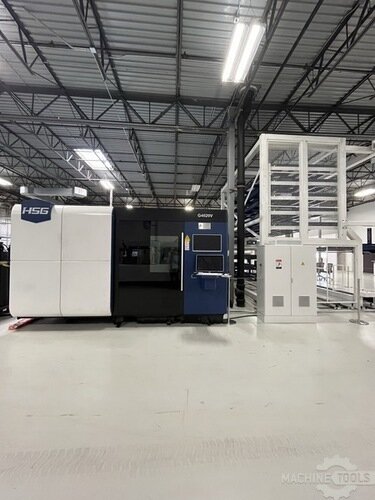
HSG G4020V 6G 30KW + STORE 4020 6
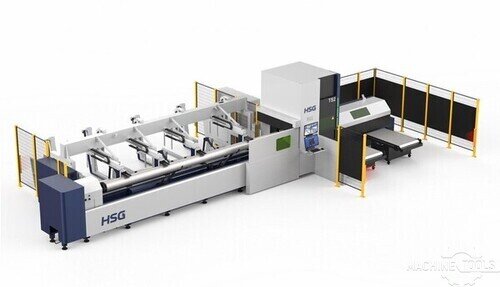
HSG TS2 HIGH SPEED TUBE FIBER LASER CUTTING MACHINE
Payback and ROI Modeling Turning Operating Cost Savings and Capacity Growth into a Clear Business Case
Payback modeling typically combines capacity gains with operating-cost reductions, then stress-tests assumptions against utilization and staffing reality. A higher purchase price can still win when uptime is stronger, rework is lower, and schedule confidence enables more quoting wins in agriculture, construction, transportation, and heavy equipment work.
Used fiber lasers can deliver fast payback when condition is verified, service support is clear, and the shop has the right mix of repeatable work to keep the machine loaded. New machines may justify longer-term ROI through warranty confidence, modern controls, and reduced risk of unexpected downtime that disrupts customer commitments.
Mac-Tech supports a buyer-ready business case by aligning the machine choice with production routing, labor availability, and material flow readiness, then coordinating training and service support so savings show up on the floor. ROI always depends on utilization, part mix, staffing, and how well upstream and downstream processes stay synchronized.
Next Steps to Quote and Configure the Right Fiber Laser from Mac-Tech Listings as H2 headings (##)
A clean next step is narrowing candidates by workload, material range, desired automation, and facility constraints, then matching those needs to available inventory. Mac-Tech listings can be reviewed to compare options and move quickly on machines that fit the production plan at the right risk level. Start with available inventory and inquiry paths at https://shop.mac-tech.com/.
To tighten the quote and configuration, Illinois and Iowa buyers typically prepare a short part sample set, current cycle times, staffing plan, and a basic layout of sheet staging and cut-part flow. Mac-Tech then coordinates consultation, procurement, installation scheduling, operator training, and post-sale service coordination to keep the transition controlled and predictable.
For shops modernizing quoting and workflow visibility alongside new capacity, additional planning resources may be supported through https://vayjo.com/ when it aligns with the operational goal of turning faster cutting into faster job turnaround. Payback improves when the entire order-to-ship flow is aligned, not just the cutting cell.
FAQ
What materials and applications are typically a good fit for a fiber laser?
Sheet and plate cutting for brackets, frames, gussets, and components is common across agriculture, construction, transportation, and heavy equipment supply chains.
How should delivery, installation, and commissioning be planned?
Planning usually includes power and air readiness, rigging access, and a defined startup schedule for calibration and first-article production.
How quickly do operators typically get up to speed?
Adoption depends on prior CNC experience, but structured training and clear cut libraries help shorten the ramp-up period.
What maintenance steps matter most for uptime protection?
Preventive maintenance routines, consumable management, and a clear service pathway reduce unplanned stops and stabilize output.
Can a fiber laser integrate with existing shop workflow like press brakes and welding?
Yes, but the best results come from mapping material flow, staging, and part routing so the laser does not create downstream congestion.
Are trade-in and financing options available for modernization?
Options often exist depending on equipment type and condition, and Mac-Tech can coordinate discussions around upgrade paths and payment structure.
What information is needed for an accurate quote?
Part files or sample prints, material types and thicknesses, weekly volume, shift plan, and a basic floor layout typically produce the most accurate recommendations.
For more info: 888-MAC-9555, or find Mac-Tech on LinkedIn.
Get Weekly Mac-Tech News & Updates
