
Mac-Tech has built a reputation for helping metal fabricators modernize with equipment that performs reliably on the floor, not just on paper. For Illinois fabricators and Iowa job shops balancing shorter lead times with tighter labor markets, an HSG fiber laser package becomes a strategic fit when it is treated as a complete production system rather than a standalone machine. Handling, gas strategy, cooling discipline, and consumables control are the variables that most directly influence stable cut quality, predictable throughput, and real uptime. Louie Aviles’ equipment focus across Illinois and Iowa centers on configuring these system-level details so Midwestern manufacturers can cut more consistently, with fewer interruptions and fewer touchpoints.
Streamlined Package Handling to Keep Fiber Laser Production Flowing
In high-mix environments, the biggest delays often happen before and after the cut, not during it. An HSG fiber laser package approach prioritizes material staging, sheet movement, and part exit flow so the laser stays cutting rather than waiting on forklifts, operators, or open table time.
This is especially relevant for agriculture, construction, transportation, and heavy equipment suppliers where plate, sheet, and nested parts vary daily. With a package mindset, handling elements are specified to match the shop’s reality, including aisle space, crane and forklift patterns, and downstream operations like forming and welding.
Mac-Tech supports the full buildout cycle including consultation, procurement alignment, installation planning, training, and post-sale service coordination. Package planning and configurations can be explored alongside other fabrication equipment options at https://shop.mac-tech.com/.
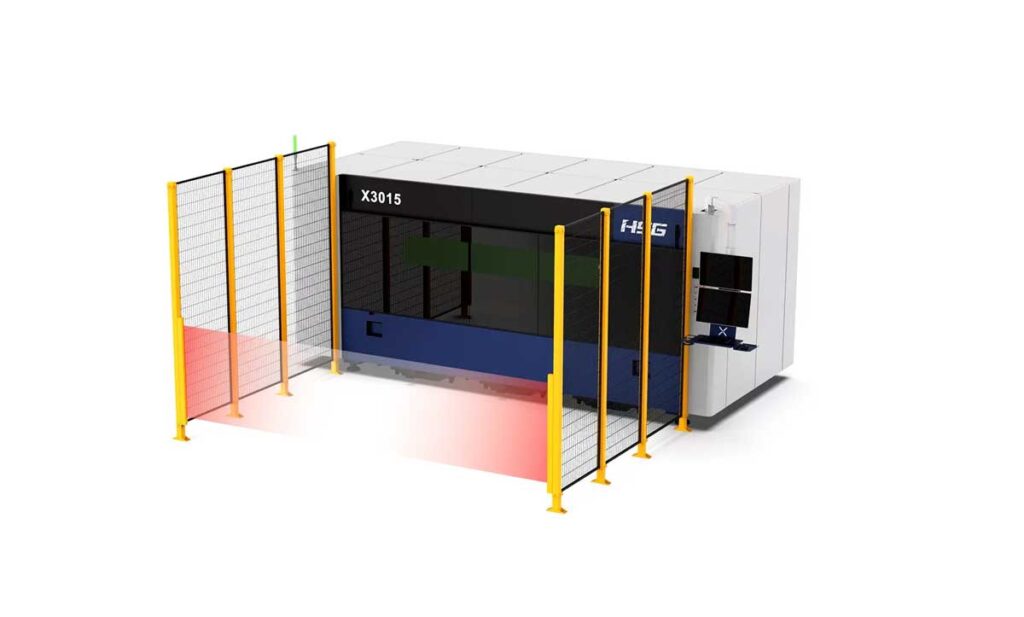
X SERIES
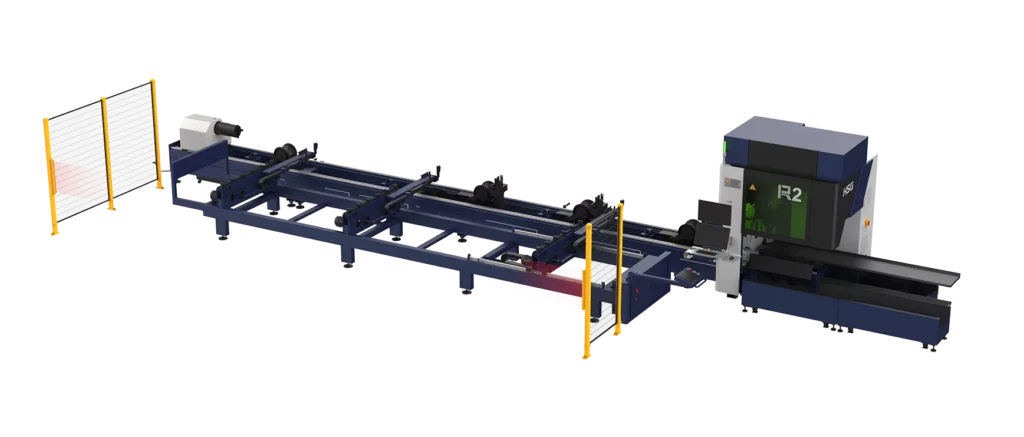
Gas Cooling and Consumables Management That Protects Uptime and Cut Quality
Fiber laser performance is tied closely to process stability, and stability is largely controlled by assist gas strategy, cooling management, and consumables discipline. When gas supply and filtration are inconsistent, or cooling practices drift, cut edge quality can vary and downtime can increase due to alarms, contamination, or premature wear.
A system-level configuration evaluates gas type selection by application, delivery consistency, and shop infrastructure readiness, without forcing a one-size-fits-all approach. Cooling capacity and maintenance routines are treated as production-critical, since temperature stability influences repeatability and helps protect sensitive components over long shifts.
Uptime protection checklist:
- Assist gas planning based on material mix and cut objectives
- Clean, consistent gas delivery and contamination prevention
- Cooling discipline and maintenance intervals aligned to production hours
- Consumables tracking to reduce unplanned stops and scrap
- Operator standards for nozzle, lens, and protective window handling
Payback potential improves when unplanned stops drop and rework declines, but results depend on utilization, material mix, staffing, and how well gas and cooling practices are standardized across shifts. Mac-Tech helps implement these controls with training and ongoing service coordination so Illinois and Iowa operations can keep quality steady week to week.
High Accuracy Part Transfer for Faster Throughput and Fewer Touchpoints
Part flow after cutting can make or break overall throughput, particularly in shops running tight schedules for OEM and contract work. Accurate part transfer reduces secondary handling, protects part quality, and minimizes sorting and rework that can quietly consume labor.
For Midwestern manufacturers producing brackets, gussets, enclosures, and structural components, package-level planning focuses on how parts will be removed, separated, and routed to the next step. Fewer touches can translate into fewer bent parts, fewer mixed orders, and faster job closeout.
Performance and ROI drivers:
- Reduced manual unloading time and less queueing at the laser
- Lower risk of part damage and order mixing
- More consistent downstream flow to forming, welding, and paint
- Better schedule adherence during peak demand
ROI is strongest when part transfer accuracy and organization reduce labor variability and keep downstream cells fed consistently, though actual payback depends on shift structure, nesting strategy, and how parts are kitted for assembly. Mac-Tech guides the workflow design, then coordinates installation and operator adoption so changes stick after commissioning.
Footprint-Fit Automation That Integrates Cleanly Into Your Fabrication Cell
Automation succeeds when it fits the building, the process, and the people operating it. A right-sized HSG fiber laser package considers available floor space, material staging zones, safety and access paths, and how the laser integrates with existing forming, machining, or robotic welding cells.
Many Illinois fabricators and Iowa job shops operate in facilities where every square foot matters, and the goal is to scale output without disrupting proven processes. Package integration planning reduces surprises like blocked forklift lanes, awkward pallet access, or bottlenecks created by poorly placed infeed and outfeed.
Mac-Tech supports layout review, integration planning, and training so the system runs cleanly in real production conditions. For shops aligning multiple cells, additional workflow and quoting tools can be supported through https://vayjo.com/ when it helps clarify routing, capacity, and handoff requirements.
ROI-Driven Performance for Shops Scaling Capacity Without Added Labor
The practical value of a fiber laser package is measured in predictable throughput and consistent part quality, not just peak cutting speed. When handling, gas, cooling, and consumables are managed as a single strategy, the laser spends more time producing sellable parts and less time waiting, drifting, or stopping for preventable issues.
Midwestern manufacturers expanding capacity often need growth without adding headcount, especially for second-shift coverage and harder-to-staff roles. A package approach supports that goal by reducing variability, stabilizing cut conditions, and decreasing the number of manual steps required to keep jobs moving.
ROI can be compelling when higher utilization and lower downtime are achieved, but payback depends on utilization rate, part mix, staffing model, and material flow maturity. Mac-Tech helps shops build a realistic business case and then backs it with consultation, installation management, training, and coordinated post-sale service.
Next Steps to Specify, Quote, and Configure the Right HSG Fiber Laser Package for Mac-Tech as
Quoting a fiber laser as a package starts with production facts, not assumptions. The best outcomes come from matching the system to material mix, thickness range, desired edge quality, shift plans, and how parts will be staged, cut, removed, and routed downstream.
Louie Aviles’ Illinois and Iowa equipment focus emphasizes specifying the handling plan, assist gas strategy, cooling readiness, and consumables controls upfront so uptime and cut consistency remain predictable after the sale. Mac-Tech coordinates the path from configuration and procurement through installation, training, and service support so the system is production-ready, not just delivered.
For buyers ready to start scoping, product and purchasing paths are available at https://shop.mac-tech.com/, and a consultative quote process can align options with the actual fabrication cell constraints. A clean scope, clear site plan, and defined throughput goals help speed approvals and reduce commissioning delays.
FAQ
What materials and applications are typical for an HSG fiber laser package?
Many shops run mild steel, stainless, and aluminum applications, with suitability depending on thickness, finish requirements, and assist gas strategy.
How should delivery, installation, and commissioning be planned?
Planning typically includes site access, rigging paths, power and gas readiness, and time for calibration and operator sign-off before full production release.
How fast do operators usually get comfortable with the system?
Adoption depends on staffing and experience, but structured training and documented standards for handling and consumables speed up consistency across shifts.
What maintenance practices protect uptime the most?
Cooling discipline, clean gas delivery, and consistent consumables inspection and replacement routines are common levers for reducing unplanned stops.
Can the package integrate with an existing workflow and downstream equipment?
Yes, when the layout and part flow are planned around current forming, welding, and material handling methods rather than forcing a full process reset.
Are trade-in and financing options available for modernization?
Options often exist depending on equipment condition and project scope, and Mac-Tech can help evaluate pathways that fit cash flow and timing goals.
What information is needed for an accurate quote?
Material types and thicknesses, sheet size, throughput targets, shift plan, available floor space, and desired handling and automation level are typically required.
For more info: 888-MAC-9555, or find Mac-Tech on LinkedIn. Mac-Tech brings the system-level expertise needed to configure, install, and support an HSG fiber laser package that protects uptime and keeps cut quality stable in real Midwestern production.
Get Weekly Mac-Tech News & Updates
