
In oil and gas modules, bridge plate work, and tower fabrication, the hardest constraint is no longer machine capability. It is predictability under labor shortages, tight ship dates, and the cost of unplanned downtime when a high throughput cell trips on utilities, airflow, guarding, or an unclear restart procedure. I am Dave Graf, Regional Sales Executive at Mac-Tech, and I act as the single point of contact to coordinate turnkey automation, utility planning, safety validation, and ROI-focused delivery so stability is designed in from day one.
Operational Safety Validation Challenges in High Throughput Utility Cells
High throughput cells fail operationally when utilities and safety are treated as late-stage checkboxes instead of validated production inputs. Executives feel this as missed schedule commitments, overtime, and reduced utilization, especially when adding robotics, beam coping, angle lines, plate processing, or fiber laser cutting into mixed-flow fabrication.
Common gaps that create downtime and audit exposure
- Power quality and capacity not validated under load: nuisance trips during peak cycles, 1–3 hours per event to recover and re-qualify parts
- Compressed air contamination or insufficient flow: sensor faults and actuator lag leading to 5–10% cycle time loss per shift
- Process gas instability: inconsistent cut quality on fiber lasers and rework that can add 15–30 minutes per nest
- Ventilation and dust control under-designed: smoke and particulate spikes that force manual slowdowns or stoppages
- Guarding and interlocks not aligned to real material flow: extra touchpoints per part, longer queue time at infeed and outfeed
- SOPs not written for restart and abnormal conditions: extended lockout, slow troubleshooting, and inconsistent operator response across shifts
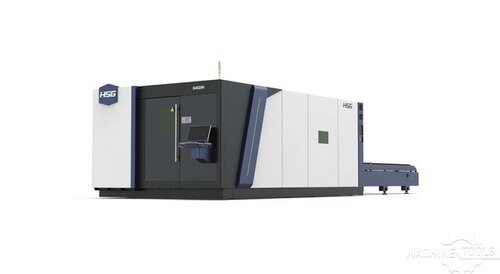
HSG 3015H 12KW
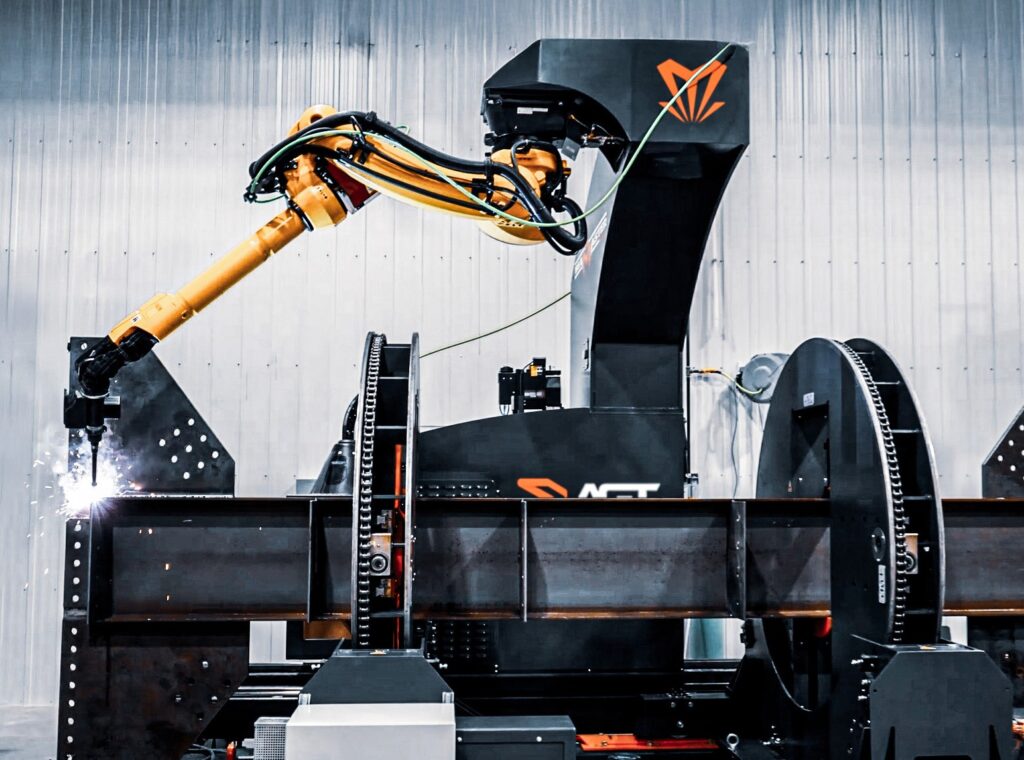
BeamMaster Robotic Welding System
Decision Criteria for Reliable, Compliant Cell Safety and Uptime
The business decision is whether a new cell increases throughput without increasing operational variability. When integrating systems such as HSG Fiber Lasers, Prodevco structural automation, or complementary forming and cutting equipment from Akyapak, Liberty, Ermaksan, or Ercolina, utility safety validation becomes the foundation for predictable output and lower risk.
What to validate before sign-off
- Power: load study with measured peak draw, voltage drop tolerance, breaker coordination, and UPS needs for controls to prevent 30–60 minute cold restarts
- Air: CFM at point of use, dew point, filtration spec, and isolation valves to protect 2–3 shifts of uptime from one compressor issue
- Gas: regulator sizing, purity, pressure stability at machine inlet, and documented changeover steps to keep cut quality within spec
- Ventilation: capture velocity at source, make-up air balance, ducting access for cleaning, and monitoring to avoid unplanned stoppages
- Guarding: validated safe zones based on real fork and crane paths, interlock logic, and egress routes that do not add material handling touchpoints
- SOPs: lockout-tagout, jam recovery, manual mode rules, and restart criteria that keep recovery time measurable and repeatable
Utility Cell Safety Validation Options for Structural Automation Integration
Safety validation should match the integration complexity and the pace of production ramp. For example, a Prodevco beam coping or drilling system paired with downstream handling, or an HSG Fiber Laser tied into automated loading and unloading, needs utilities and safety verified as a complete system, not as individual machines.
Practical validation approaches
- Baseline validation for single-machine installs: confirm utility compliance and operator SOPs, then verify a stable 8–16 hour run with no nuisance faults
- Cell-level validation for multi-machine flow: validate load sharing, ventilation interactions, gas changeover impacts, and guarding around shared transfer zones
- Throughput-driven validation for lights-out or extended shifts: prove restart logic, alarm response, and maintenance windows to protect utilization targets
For parts and consumables planning, and to standardize what spares are staged on day one, teams often start with a documented list tied to their bill of process and available through Mac-Tech resources like https://shop.mac-tech.com/.
Implementation Risks, Change Control, and Single Point of Contact Coordination with Dave Graf
Implementation risk is rarely the machine. It is unmanaged change across trades, controls, safety, and operations, which creates rework and delays when the cell is nearly ready to run. My role is to coordinate layout planning, utilities, guarding, installation, commissioning, training, and long-term service continuity so you do not have multiple vendors optimizing only their portion.
Change control that protects schedule and startup
- Pre-install risk review: utilities scope, foundations, access, crane paths, and ventilation routing signed off before equipment ships
- Commissioning plan with measurable gates: dry run, first part, first shift, first full day, and first week acceptance criteria
- Training aligned to SOPs: operator, maintenance, and supervisor training with restart and abnormal conditions practiced per shift
- Service continuity: standardized spare parts list, response expectations, and a clear escalation path to prevent 4–8 hour waits from becoming multi-day downtime
When supporting digital work instructions or operator guidance that reduces variability across shifts, a structured workflow platform can complement cell SOPs, and in some cases teams use resources like https://vayjo.com/ to reinforce consistent execution.
Measurable Outcomes for Reliability, Throughput, and Audit Readiness
Utility and safety validation is successful only if it improves measurable production performance while lowering compliance risk. The goal is stable throughput with fewer interruptions, reduced rework, and consistent recovery when issues occur.
Outcomes executives can track within 30–90 days
- Uptime stability: reduction in nuisance stops by 30–60% through validated power, air, and interlock logic
- Throughput reliability: 10–25% improvement in average shift output by reducing micro-stoppages and material handling delays
- Labor efficiency: 1–2 fewer touchpoints per part in the cell, often translating to 0.5–1.5 labor hours saved per shift depending on mix
- Quality and rework: fewer cut or fit-up defects tied to gas stability and ventilation control, reducing rework rates by 20–40% on affected operations
- Audit readiness: documented utility specs, guarding validation, LOTO, and SOP sign-offs that reduce audit preparation time from days to hours
Next Steps for Structural Fabricators Scaling High Throughput Utility Cells
The next step is a utility and safety validation plan that matches your production targets, building constraints, and staffing model. Whether you are expanding structural beam processing, adding a fiber laser, or integrating multi-step flow, the planning sequence should lock utilities, guarding, and SOPs before equipment arrival to protect your schedule.
A practical executive roadmap
- Week 1–2: confirm throughput targets, part mix, and shift model, then map material flow and handling constraints
- Week 2–4: complete utility load and air gas ventilation validation, guarding concept, and SOP framework for normal and abnormal conditions
- Install to ramp: run commissioning gates with acceptance metrics, finalize training by role, and stage spares to protect early uptime
FAQ
What are typical lead times for a high throughput cell project?
Lead times vary by equipment and facility readiness, but utility and safety validation done early prevents weeks of delay during installation and commissioning.
How do you reduce implementation risk when multiple systems are involved?
I coordinate a single plan across layout, utilities, guarding, controls, and training so changes are documented and resolved before they become downtime at startup.
What training is required to protect uptime across multiple shifts?
Operators, maintenance, and supervisors need role-based training plus restart and abnormal-condition drills so recovery is consistent and measurable on every shift.
How do we plan maintenance without sacrificing throughput?
We build a maintenance window strategy around consumables, air filtration, ventilation cleaning access, and staged spares to prevent small issues from becoming long stops.
How is ROI measured beyond machine cycle time?
We track utilization, queue time, touchpoints per part, changeover time, rework rate, and recovery time after stops to reflect real production economics.
What is included in integration scope and who owns the handoffs?
Scope includes utilities, guarding, installation coordination, commissioning gates, and SOP alignment, with me as the one-call owner to manage handoffs and escalation.
Contact Dave Graf for planning, demonstrations, or full project coordination at dave@mac-tech.com, 602-510-5552, or https://shop.mac-tech.com/.
Get Weekly Mac-Tech News & Updates
