
Mac-Tech is recognized across metal fabrication for pairing proven equipment with practical process guidance that helps shops modernize without disrupting production. For Illinois and Iowa buyers, end-to-end structural processing systems that combine saw prep, drilling, coping, and handling are a strategic fit when schedules tighten and skilled labor is limited. The result is a more predictable workflow that reduces touch points, improves fit-up consistency, and lowers the risk of late deliveries on structural steel, heavy equipment, and industrial projects.
Streamline Structural Fabrication from Saw Prep through Handling with a Unified Workflow
Structural workflows often slow down at the handoff points, such as after the saw, before drilling, and around coping and staging. A unified approach to saw prep, drilling, coping, and downstream handling helps Midwestern manufacturers reduce bottlenecks created by batching, re-measuring, and forklift-dependent movement. This is especially relevant for Illinois fabricators supporting construction and transportation work, where schedule stability matters as much as cut quality.
Machine overview:
- Integrated processing line concepts for saw prep, drill, and coping sequences
- Material handling options that support beams, channels, angles, and plate-based components
- Controls and data flow considerations to reduce manual input and miscommunication
- Layout planning that aligns infeed, processing, and outfeed to real shop traffic patterns
Payback depends on utilization, part mix, staffing, and how consistently material flows through staging and downstream welding. Mac-Tech supports the full project path, including consultation, procurement coordination, installation planning, operator training, and post-sale service coordination so the workflow performs beyond the first week of production.
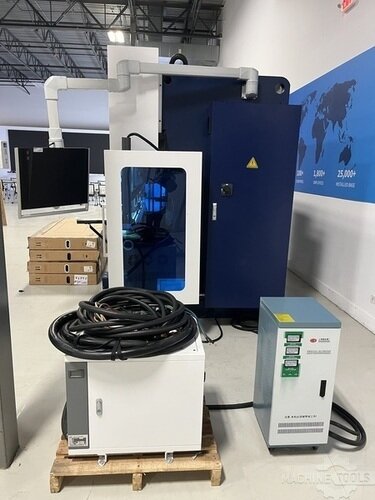
HSG HC1703

EVO III – INDUSTRIAL CNC PRESS BRAKE EVO III
Precision Drilling and Coping that Reduces Rework and Protects Fit-Up Quality
Drilling and coping are frequent sources of rework when hole locations, part orientation, and coping geometry are not consistent from operator to operator. Structural processing solutions that standardize positioning and reduce manual layout help protect fit-up quality, particularly for connection-heavy work in construction and heavy equipment. Iowa job shops supporting agriculture and OEM fabrication benefit when repeat jobs can be run with the same validated process each time.
Better precision at the processing stage reduces downstream firefighting during fit-up and welding, where corrections are costly and hard to schedule. ROI is typically strongest when a shop sees recurring rework, frequent part changeovers, or high labor hours spent on layout and secondary operations, though results will vary based on throughput targets and how programming is managed. Mac-Tech helps evaluate the right level of automation and integration for the shop’s drawings, nesting or detailing output, and inspection requirements, with training structured to drive adoption across shifts.
Increase Throughput and Labor Efficiency with Automated Material Flow and Positioning
Material movement is often the hidden constraint in structural work, especially when one operator must manage measuring, marking, flipping, and staging. Automated positioning and handling options reduce manual handling, improve safety, and keep machines cutting instead of waiting on cranes or forklifts. For Midwestern manufacturers running mixed work, a reliable flow from infeed to outfeed can stabilize daily output even when staffing changes week to week.
Performance and ROI drivers:
- Reduced touch time per part through fewer re-handling steps
- Less queue time between saw prep, drilling, and coping
- Lower risk of misloaded parts and orientation errors
- More consistent cycle time that improves scheduling confidence
Payback depends on how often material is moved today, how far it travels between stations, and whether the shop can keep the line fed consistently. Mac-Tech supports layout reviews, material flow mapping, and commissioning plans that align with real shift patterns in Illinois and Iowa, not idealized assumptions.
Maximize Uptime with Rugged Design, Serviceability, and Reliable Controls Integration
Uptime is a profit driver when structural commitments are tied to jobsite sequences and liquidated damage risk. Rugged equipment design, practical access for service, and sensible controls integration help reduce unplanned stops and shorten recovery time when issues occur. Shops also benefit when controls and data handoffs reduce manual entry, since fewer inputs typically mean fewer preventable errors that create downtime.
Mac-Tech coordinates installation, training, and service pathways so preventive maintenance, operator checks, and troubleshooting routines become repeatable. Results vary based on environment, maintenance discipline, and workload, but shops that standardize upkeep and keep wear items planned often see more stable output. For controls and production data planning, additional workflow guidance is available through https://vayjo.com/ when it supports estimating, scheduling, and shop management alignment.
Fit More Capability in Less Space with Footprint-Friendly Layouts that Scale with Demand
Space is a real constraint in many Illinois and Iowa facilities where steel staging competes with welding bays and shipping lanes. Footprint-friendly line layouts help add capability without forcing disruptive building expansions, especially when the goal is to reduce travel distance and eliminate dead zones between steps. The best layouts are driven by part mix, typical lengths, incoming material packaging, and how assemblies move to fit-up.
Scalable planning matters because many shops start with saw prep and drilling improvements, then add coping, handling, or downstream staging as demand grows. Payback depends on how effectively the layout reduces non-cut time, how much crane or forklift congestion is eliminated, and how quickly operators can transition between jobs. Mac-Tech provides configuration support so the line fits current needs while leaving a clear path for growth.
Request a Quote and Configure the Right IL IA Structural Processing Line from Mac-Tech
An accurate quote starts with matching the process to the shop’s real constraints, including labor, schedule risk, and throughput goals. The right configuration considers saw prep requirements, drilling and coping needs, material handling expectations, and how parts are staged for welding and shipping. Illinois fabricators and Iowa job shops often see the strongest results when the full workflow is addressed rather than optimizing a single station in isolation.
Start configuration and procurement planning through Mac-Tech’s online resources at https://shop.mac-tech.com/, then align the final build with a consultation that reviews part mix, drawings, and floor layout. Mac-Tech coordinates procurement, delivery planning, installation, commissioning, training, and post-sale service so the system performs as a production asset, not just a new machine on the floor. Payback depends on utilization, mix, staffing, and material flow, and the quote process is structured to surface those variables early.
FAQ
What materials and applications are typical for end-to-end structural processing?
Common applications include structural beams, channels, angles, and fabricated components for construction, heavy equipment, transportation, and agriculture, depending on the selected configuration.
How should delivery, installation, and commissioning be planned?
Planning typically includes site layout confirmation, rigging access, power and air readiness, and a commissioning window that avoids peak production bottlenecks.
How quickly do operators adopt drilling, coping, and handling automation?
Adoption improves when training includes real parts, clear standard work, and shift-to-shift consistency, with follow-up support after initial production runs.
What maintenance practices help protect uptime?
Preventive maintenance schedules, daily checks, and access to coordinated service support reduce avoidable downtime and help keep cycle times consistent.
Can a new structural processing line work with an existing shop workflow?
Yes, most projects succeed when the line is configured around current infeed, staging, welding, and shipping patterns, with targeted changes to reduce handling and queue time.
Are trade-in and financing options available for modernization?
Options may be available depending on equipment condition and project scope, and Mac-Tech can help coordinate pathways that fit budget and production goals.
What information is needed for an accurate quote?
Part mix examples, typical sizes, throughput targets, floor layout constraints, and current bottlenecks help determine the right level of automation and handling.
For more info: 888-MAC-9555, or find Mac-Tech on LinkedIn.
Get Weekly Mac-Tech News & Updates
