
Understanding Automated Downspout Production
As someone who has spent years on shop floors across the country, I’ve witnessed firsthand the transformative power of automation in downspout production. Automated systems, particularly those using Stefa Roll Formers, bring a level of precision and efficiency that manual processes simply cannot match. By automating the production line, shops can achieve consistent quality, enhance operator safety, and significantly increase line speed. My journey from southern Chicago to Mac-Tech has been fueled by a passion for helping businesses modernize their production facilities, ensuring they stay competitive in an ever-evolving market.
Evaluating Your Current Roll Forming Equipment
When evaluating your current roll forming equipment, it’s essential to consider both performance and potential. Many shops operate with outdated machines, unaware of the benefits that modern upgrades can bring. I’ve seen businesses transform their output by simply reassessing their equipment. Key indicators that it’s time for an upgrade include frequent maintenance issues, inconsistent product quality, and slow production speeds. Stefa Roll Formers, for example, offer advanced features that can address these challenges, ensuring your production line operates at peak efficiency.
Enhancing Efficiency with Coil-Fed Production
Coil-fed production is a game-changer for downspout manufacturing. By feeding material directly from a coil, you eliminate the need for manual loading, which reduces labor costs and minimizes the risk of errors. In several installations I’ve overseen, switching to a coil-fed system has resulted in a 30% increase in line speed. This not only boosts output but also improves the overall quality of the final product. Coil-fed systems are a perfect match for Stefa Roll Formers, providing a seamless integration that enhances workflow efficiency.
Key Processes: Slitting, Forming, and Folding
The key processes in downspout production—slitting, forming, and folding—are where the magic happens. Each step must be executed with precision to ensure the final product meets quality standards. Automated systems excel in this regard. I’ve seen shops reduce waste and improve accuracy by integrating advanced slitting and folding technologies. For example, the use of servo-driven folders can provide smoother operation and greater control compared to traditional hydraulic systems, resulting in higher quality products.
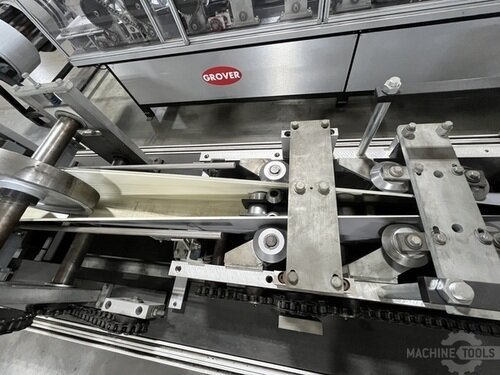
GROVER 5400 AX
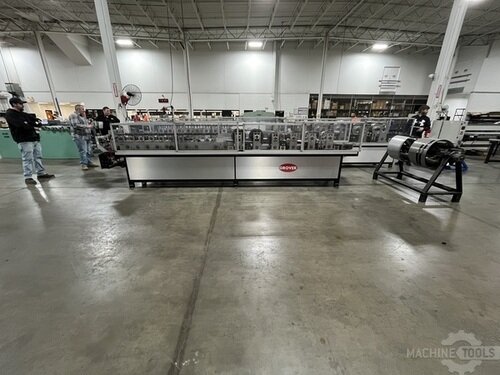
GROVER 4300
Integrating Automation for Improved Workflow
Integrating automation into your workflow is not just about adding new machines; it’s about creating a cohesive system that enhances every aspect of production. Automation can streamline operations, reduce downtime, and improve safety. In my experience, shops that embrace automation see a significant reduction in labor requirements and an increase in overall productivity. Stefa Roll Formers are designed to integrate seamlessly with existing systems, allowing for a gradual transition that minimizes disruption.
Deciding When to Upgrade Your Roll Former
Deciding when to upgrade your roll former can be challenging. However, the signs are often clear: frequent breakdowns, rising maintenance costs, and declining product quality. Additionally, if your current system can’t keep up with demand, it’s time to consider an upgrade. The ROI from modern equipment can be substantial, with many shops recouping their investment within a few years through increased efficiency and reduced labor costs.
FAQ Section
When is the right time to upgrade a roll former or folder?
The right time is when maintenance costs are high, output is inconsistent, or demand exceeds your current capacity.
How do servo-driven folders compare to hydraulic systems?
Servo-driven folders offer greater precision and control, resulting in higher quality products and reduced wear on machinery.
What are signs a roll forming line is no longer cost-effective?
Frequent downtime, high maintenance costs, and inability to meet production targets are key indicators.
How can coil automation reduce operator requirements?
By automating material feeding, coil systems reduce manual handling, lowering labor costs and minimizing errors.
What kind of maintenance schedule do panel benders need?
Regular inspections and timely part replacements are crucial. A proactive maintenance schedule can prevent costly downtime.
Can older shears be upgraded with safety and accuracy features?
Yes, many older shears can be retrofitted with modern safety and accuracy enhancements to extend their lifespan.
Thank you for considering these insights into automated downspout production. I’m here to help guide you through the process of modernizing your shop with confidence and expertise. Feel free to reach out for a walkthrough, demo, or quote. At Mac-Tech, we prioritize long-term success and trusted partnerships. Let’s work together to elevate your production capabilities.
Get Weekly Mac-Tech News & Updates
