
As President of Mac-Tech, I spend my days working with owners, CFOs, and operations leaders who are trying to grow capacity while managing risk. Dust collection is often treated as a necessary expense instead of a strategic asset, yet it directly impacts uptime, quality, labor efficiency, and safety. ACT dust collection systems, properly sized and integrated, give laser, plasma, and thermal-cutting operations a cleaner, safer environment by capturing fine particulate at the source before it spreads through the plant, driving measurable financial returns.
Turning Cutting Dust into Strategic Advantage with ACT Collection Systems
High-performance fiber lasers, tube lasers, and plasma tables generate tremendous value, but they also generate fine particulate that can quietly erode that value. When dust is allowed to migrate, it contaminates optics, drives unplanned maintenance, and can even cause product quality issues that show up as rework or scrap.
Strategic Role of ACT Dust Collection in Modern Shops:
- Source capture for lasers and plasma tables including high-speed fiber lasers from HSG, flat and tube lasers from Ermaksan, and large-format plasma systems.
- Tight control of fine particulate that would otherwise settle on rails, drives, controls, and sensitive laser optics, degrading cut performance over time.
- Cleaner environment in adjacent processes such as forming, welding, and assembly, which improves fit-up quality and reduces post-processing.
Operational Impact:
- More consistent cutting performance by keeping rails, linear guides, and optics cleaner, especially on high-accuracy machines.
- Better work environment that improves employee retention and helps you attract skilled operators and programmers.
- Lower housekeeping burden as ACT systems pull dust directly from downdraft tables or hoods before it can reach floors, equipment, or offices.
When I look at a client’s layout, I treat dust collection as part of the productivity envelope, not a bolt-on. Integrated with the right tables and enclosures, ACT collection turns a basic cutting line into a cleaner, more reliable production cell.
Protecting Uptime and Assets While Lowering Compliance and Safety Risk
Unplanned downtime is one of the most expensive problems in any fabrication shop. If a laser or plasma system is offline due to dust-related failures, poor visibility, or safety concerns, the cost per hour of lost throughput quickly dwarfs the cost of a well-engineered dust solution.
Risks Dust Collection Helps Mitigate:
- Equipment degradation: Fine metal particulate infiltrates servos, bearings, and electrical cabinets, shortening the life of fiber laser machines, HSG automation systems, and positioning drives.
- Combustible dust and fire hazards: Certain materials and cutting applications generate dust that can present explosion or fire risks if not properly controlled and contained.
- Regulatory exposure: Poor air quality in cutting bays can attract OSHA and insurance scrutiny, increasing compliance costs and potential liability.
How ACT Systems Protect Uptime and Assets:
- Engineered capture at the table and torch for plasma, oxyfuel, and laser to prevent particulate from migrating to sensitive assets like Prodevco structural robots or downstream welding cells.
- Cartridge filtration designed for metal cutting which maintains airflow and collection efficiency, reducing the risk of filter clogging and sudden performance drops.
- Integrated controls and safety features that support NFPA guidelines and help demonstrate due diligence to insurers and auditors.
When I advise clients, we model downtime impact alongside equipment life. A properly sized ACT collector is often a key factor in protecting seven-figure investments in cutting, automation, and material handling.
Calculating the Real ROI of Dust Collection: Throughput, Scrap, and Labor Efficiency
Many shops initially view dust collection as overhead. Once we start quantifying the hidden costs of not capturing dust, the ROI picture changes dramatically. The true payback is found in throughput, scrap rates, maintenance, and labor deployment.
Key Financial Drivers of Dust Collection ROI:
- Throughput and uptime: Better air quality and reduced contamination help keep lasers and plasma tables cutting at expected speeds with fewer unplanned stops.
- Scrap and rework reduction: Clean, consistent cuts reduce secondary operations and callbacks, particularly on high-value material like stainless and aluminum.
- Labor efficiency: Operators spend less time cleaning machines, sweeping floors, and dealing with visibility issues on plasma and thermal cutting bays.
How to Quantify the Impact:
- Track hours of unplanned maintenance tied to dust issues and apply your blended hourly machine rate.
- Measure scrap and rework attributable to poor cut quality linked to contamination or inconsistent exhaust.
- Account for housekeeping labor that disappears when ACT systems capture dust at the source instead of the floor.
When we run a simple model with clients, we often see ACT dust collection systems paying for themselves in 18–36 months through avoided downtime, reduced consumable usage, and higher first-pass yield. That ROI window is well within most capital thresholds for responsible investment.
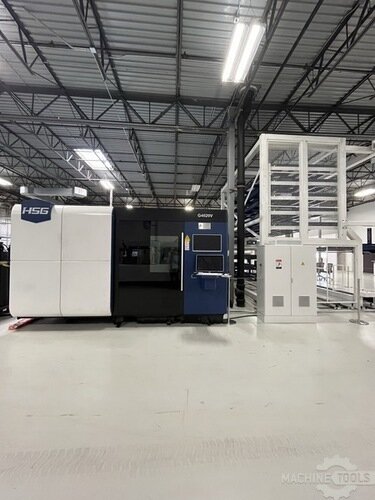
HSG G4020V 6G 30KW + STORE 4020 6
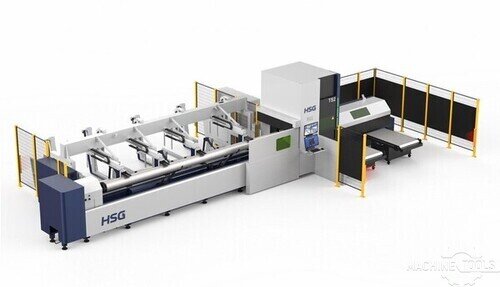
HSG TS2 HIGH SPEED TUBE FIBER LASER CUTTING MACHINE
From CapEx to Competitive Edge: Smarter Investment Planning for Laser and Plasma Shops
Dust collection should be planned alongside cutting, automation, and material handling rather than treated as a last-minute add-on. The timing and structure of that investment can strengthen both your balance sheet and your competitive position.
Investment Timing Considerations:
- Align with major equipment buys such as new Ermaksan or HSG laser lines, Rytec or other high-speed doors for enclosed cutting areas, or Prodevco robotic structural systems to ensure right-sized, integrated collection.
- Leverage Section 179 and bonus depreciation by timing ACT dust collector purchases within your fiscal year for maximum tax benefit.
- Plan power, footprint, and duct runs early so you avoid costly rework and can scale collectors as you add additional cutting tables.
Capital Planning Insights:
- Buy versus lease: Purchasing ACT systems can be attractive when you want the depreciation and plan to run the equipment well past the finance term; leases can preserve cash and match payments to productivity gains.
- Lifecycle cost focus: We help clients evaluate filter life, energy consumption, and service intervals so the lowest price tag does not turn into the highest total cost of ownership.
- Bundling projects: Combining dust collection with new cutting equipment or automation can improve financing terms and simplify integration.
My role is to help decision-makers weigh these options in the context of their growth strategy, margin pressures, and risk profile. With proper planning, an ACT collector becomes part of a broader roadmap, not an isolated line item.
How Mac-Tech Integrates ACT Dust Collection into Scalable, Future-Ready Fabrication Cells
Most of our clients are not just buying a laser or plasma table; they are building a production system. That system may include automated loading and unloading, storage towers, part sorting, bending cells, and structural robotics. Dust collection is a critical thread that ties these assets together into a clean, efficient cell.
Integration Approach at Mac-Tech:
- Application-driven design: We match ACT systems to specific processes, from high-speed fiber laser cutting to heavy-plate plasma and oxyfuel, making sure capture volumes and filtration are tuned to each operation.
- Cell-level thinking: For clients with Prodevco structural lines, tube lasers, and flat-bed lasers under one roof, we evaluate whether multiple smaller collectors or a centralized system delivers the best balance of efficiency and redundancy.
- Future-ready layouts: We design ducting and placement with enough headroom to handle additional tables or shifts as throughput grows.
Operational Impact:
- Seamless integration with automation such as tower systems, conveyors, and robotic handling so material and parts move efficiently without dust accumulation.
- Better workforce allocation as operators manage production instead of firefighting dust issues or excessive cleanup.
- Stronger customer perception when OEMs or end customers visit a shop that is clean, controlled, and clearly built for long-term reliability.
At Mac-Tech, we do not just sell equipment; we help you architect a fabrication environment that can handle growth, labor constraints, and tighter delivery windows. ACT dust collection is one of the tools we use to build that resilience into every cutting cell we deploy.
FAQ
What financing options are available for large fabrication systems?
Mac-Tech assists clients in structuring capital or lease agreements that balance cash flow and tax benefits.
How can automation improve ROI in 12–24 months?
By reducing manual handling, rework, and setup time, which are key drivers of hidden cost savings and improved throughput.
What are current trends in heavy fabrication demand?
Public infrastructure, energy projects, and large distribution facilities continue to drive demand for structural steel and thick-plate processing.
How does dust collection affect laser and plasma uptime?
Effective ACT dust collection reduces contamination and overheating, minimizing unplanned stoppages and maintenance-related downtime.
Can dust collection investments qualify for Section 179 or bonus depreciation?
In many cases they can, and we work with clients and their tax advisors to time purchases for optimal deductions.
How difficult is it to integrate ACT collectors with existing cutting equipment?
Most integrations are straightforward; we assess your tables, processes, and layout, then engineer ducting and controls with minimal disruption.
Does better dust control really impact employee retention and safety metrics?
Cleaner, safer environments improve morale, reduce complaints, and help demonstrate a proactive safety culture to both employees and insurers.
If you are evaluating new cutting capacity or want to get more out of your existing equipment, I am available to talk through dust collection, automation, and capital planning. Contact me directly at joe@mac-tech.com or 414-477-8772 to explore how ACT dust collection and a smart investment strategy can position your shop for cleaner, safer, and more profitable growth.
Get Weekly Mac-Tech News & Updates
