
Mac-Tech has built a reputation for supplying metal fabrication equipment that helps shops cut faster, run steadier, and quote with confidence. For modern fabrication operations pushing heavy plate capacity, 20kW to 60kW high power fiber laser cutting systems can become a strategic answer when throughput limits are driven by cut time, edge quality requirements, and downstream handling constraints. Louie Aviles’ equipment focus supports Illinois fabricators and Iowa job shops evaluating when high power pencils out and what must be true in material flow, staffing, and automation for real-world throughput to match the nameplate.
Break Heavy Plate Throughput Limits with High Power Fiber Laser Cutting Performance
Heavy plate programs often hit a wall when conventional power levels require slower feeds, multiple pierce strategies, or schedule padding to manage variability. Moving into a 20kW to 60kW fiber laser class can shift that ceiling by reducing time spent in thick-section cutting, especially when the work mix includes structural components, base plates, and heavy equipment parts common to Midwestern manufacturers.
The best fit is typically a shop with consistent heavy plate demand, reliable upstream nesting and programming, and enough downstream capacity to keep parts moving. Payback is conditional and depends on utilization, plate mix, shift coverage, and whether the cutting table sits idle waiting for staging, unloading, or secondary ops capacity. Mac-Tech supports buyers through workload assessment, equipment selection, procurement, and commissioning plans that align output goals to the realities of the full production line.
Deliver Clean Edges and Tight Tolerances with Stable Beam Quality and Precision Motion
In heavy plate cutting, speed alone does not solve the problem if edge condition drives grinding hours, weld prep variability, or fit-up delays. High power fiber laser systems can help stabilize cut quality by pairing consistent beam delivery with precision motion, reducing rework and making downstream welding and machining more predictable for construction, transportation, and agricultural equipment suppliers.
Performance and quality drivers:
- Edge condition stability that can reduce secondary cleanup time on thick parts
- Repeatable motion that supports consistent part geometry across long runs
- Process consistency that supports scheduling reliability and fewer quality holds
- Better process control potential for pierce and cut strategy development
ROI improves when quality gains translate into measurable labor savings or reduced bottlenecks at welding and finishing, not just faster cutting. Mac-Tech coordinates training, parameter development, and acceptance criteria so operators and supervisors can validate results on the actual materials and plate thicknesses that drive margin.
Increase Uptime with Industrial Reliability, Serviceability, and Automation Ready Options
High power cutting only pays when the machine is running, so uptime planning becomes as important as laser wattage. Industrial reliability, accessible service points, and clear preventive maintenance routines help protect throughput, especially for Illinois fabricators running tight delivery windows and Iowa job shops balancing mixed work and frequent changeovers.
Automation readiness matters because material handling often becomes the real constraint once cut time drops. Mac-Tech helps evaluate load unload options, part removal strategies, and service coordination so downtime risk is managed from day one, including installation planning, training schedules, and post-sale support alignment.
A realistic ROI model includes expected maintenance intervals, staffing coverage for loading and unloading, and contingency plans for consumables and critical spares. Mac-Tech consultation focuses on building an uptime plan that matches staffing and production cadence rather than assuming ideal conditions.
Fit More Capacity into Your Shop with Compact Footprints and Smart Material Flow Integration
Heavy plate throughput is frequently limited by floor logistics instead of laser capability, including staging, crane access, fork truck travel, and where finished parts accumulate. Many high power fiber laser configurations are designed to deliver high output while still supporting practical shop layouts, but the footprint only works if material flow is engineered around it.
Material flow checkpoints:
- Plate staging and identification near the load zone to reduce handling time
- Crane and forklift paths that prevent conflicts and waiting
- Finished part takeaway space that avoids table backups
- Clear routing to welding, machining, or blasting to prevent WIP pileups
Mac-Tech works through layout reviews, placement strategy, and commissioning timelines so added cutting capacity does not create a downstream traffic jam. For shops modernizing multiple processes, digital planning tools and workflow visibility can support better scheduling and handoffs, including options supported through platforms such as https://vayjo.com/ when it fits the operational goal.
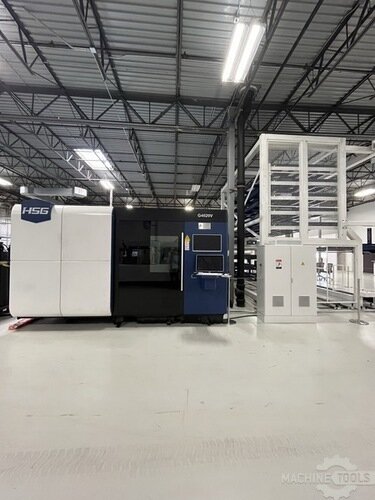
HSG G4020V 6G 30KW + STORE 4020 6
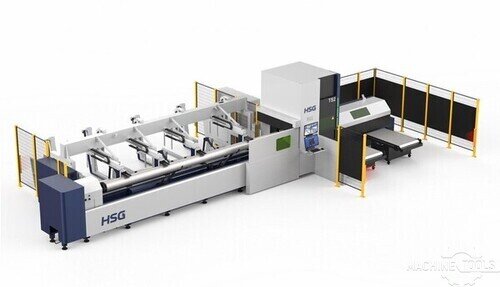
HSG TS2 HIGH SPEED TUBE FIBER LASER CUTTING MACHINE
Maximize ROI with Lower Cost per Part, Faster Turnaround, and Scalable Expansion Paths
A 20kW to 60kW fiber laser investment typically makes sense when heavy plate volume is steady, lead times are a competitive lever, or outside processing costs are high enough to justify in-house speed and control. Lower cost per part is usually driven by a combination of reduced cut time, reduced secondary labor, and better on-time delivery performance, not by a single metric.
ROI levers that typically matter most:
- Utilization rate across one or multiple shifts
- Labor saved in grinding, handling, and rework reduction
- Reduced outsourcing and expedited freight from schedule recovery
- Stability in quoting and capacity planning across heavy plate programs
Scalability is also a factor for Midwestern manufacturers planning growth in construction, heavy equipment, and transportation components. Mac-Tech supports phased expansion paths, from manual loading to automation upgrades, and aligns system configuration to the shop’s staffing reality so the payback model remains credible.
Next Steps to Specify, Quote, and Configure the Right Mac-Tech Fiber Laser System
Accurate specification starts with the material list, thickness range, weekly plate volume, part geometries, tolerance requirements, and the current bottleneck map across cutting, handling, and downstream operations. Mac-Tech and Louie Aviles support Illinois and Iowa buyers by translating those inputs into a system configuration that balances power level, table format, automation readiness, and installation constraints.
Quoting is most reliable when it includes utilization assumptions, staffing plan, consumables expectations, and a material flow plan that prevents the laser from waiting on cranes or operators. Mac-Tech coordinates procurement, delivery planning, installation, training, and post-sale service coordination to shorten time to value and reduce ramp-up risk. Product exploration and request pathways are available at https://shop.mac-tech.com/.
FAQ
What materials and applications are typical for 20kW to 60kW fiber laser cutting?
Heavy plate steel work is common, including base plates, structural components, and heavy equipment parts, with suitability depending on thickness, edge requirements, and process goals.
How should delivery, installation, and commissioning be planned?
Planning typically includes site readiness, power and ventilation needs, floor layout, rigging access, and a commissioning schedule that accounts for operator training and first-job validation.
How long does it take for operators to adopt a high power fiber laser workflow?
Adoption depends on staffing experience and part complexity, but structured training and documented procedures can speed consistent results and safe operation.
What maintenance practices help protect uptime on high power systems?
Preventive maintenance schedules, consumables management, and clear escalation paths for service support are the most common uptime protectors.
Can a high power laser fit into an existing workflow with cranes and forklifts?
Yes, but throughput gains require a material flow plan that prevents load and unload delays and ensures finished part removal does not back up the cutting table.
Are trade-in or financing options available for modernization?
Options often exist depending on the equipment and project scope, and Mac-Tech can outline paths that match budget, timing, and production goals.
What information is needed for an accurate quote?
A good quote typically requires material type, thickness range, plate sizes, part files or samples, target throughput, shift plan, and notes on current bottlenecks and handling methods.
For more info: 888-MAC-9555, or find Mac-Tech on LinkedIn. Mac-Tech expertise helps buyers align 20kW to 60kW laser capacity with real shop constraints so throughput, quality, and uptime targets can be achieved with confidence.
Get Weekly Mac-Tech News & Updates
