NovAI Autonomy and Robotic Welding Capital Timing
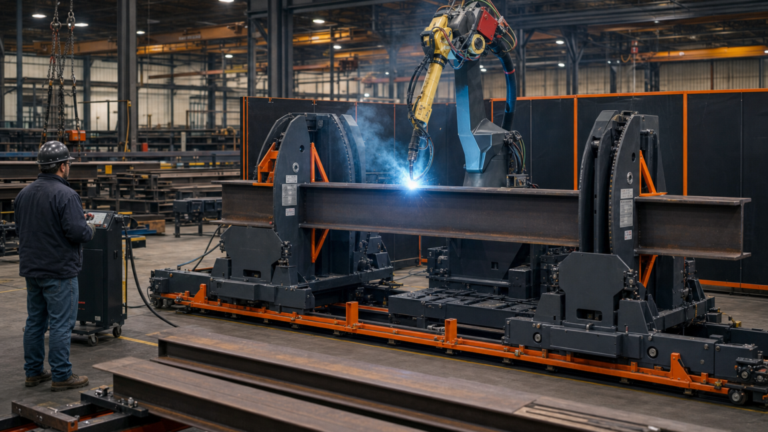
NovAI’s ABB and Yaskawa expansion changes the proof required in a robotic-welding capital review, but it does not justify delaying a needed structural-welding capacity investment.

NovAI’s ABB and Yaskawa expansion changes the proof required in a robotic-welding capital review, but it does not justify delaying a needed structural-welding capacity investment.
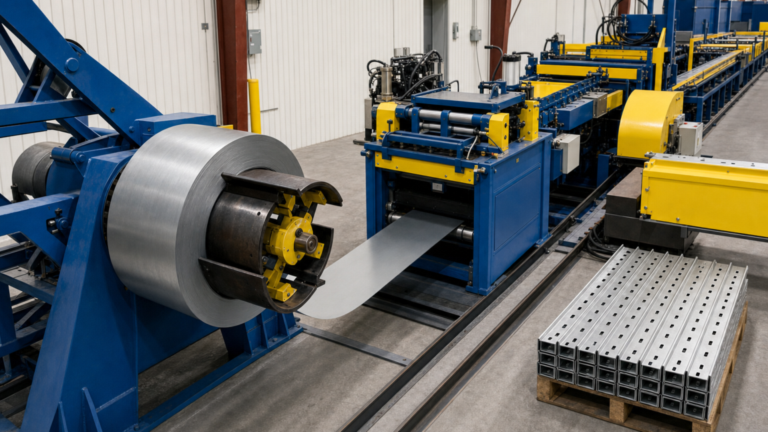
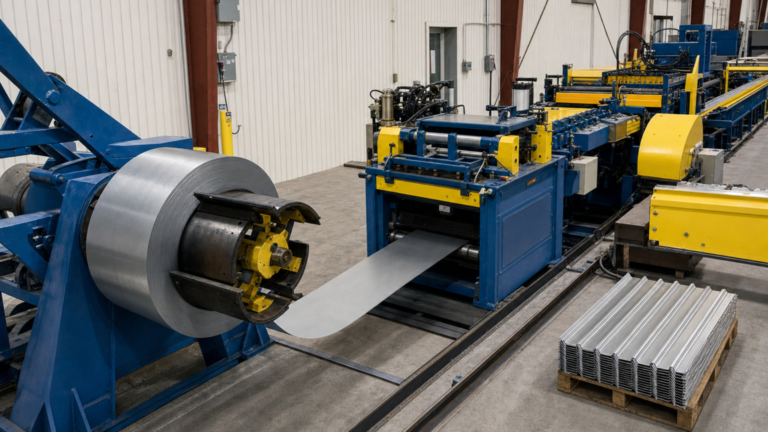
An integrated coil-punching line fits recurring perforated purlin work when coil width, hole patterns, cut lengths, and downstream forming rates are stable enough to justify one coordinated material path.
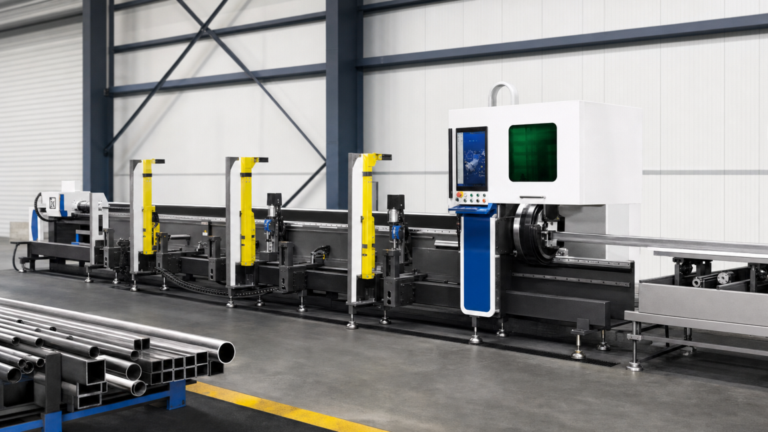
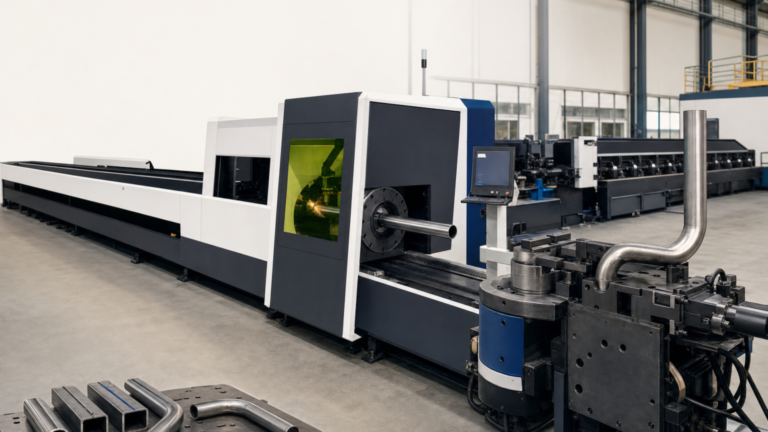
A new automated tube laser should enter the maintenance program as a complete tube-processing cell, not as a laser source with a few add-ons. The loader, chucking, cutting head, cooling, filtration, controls, records, and service plan all influence whether the added capacity remains productive.
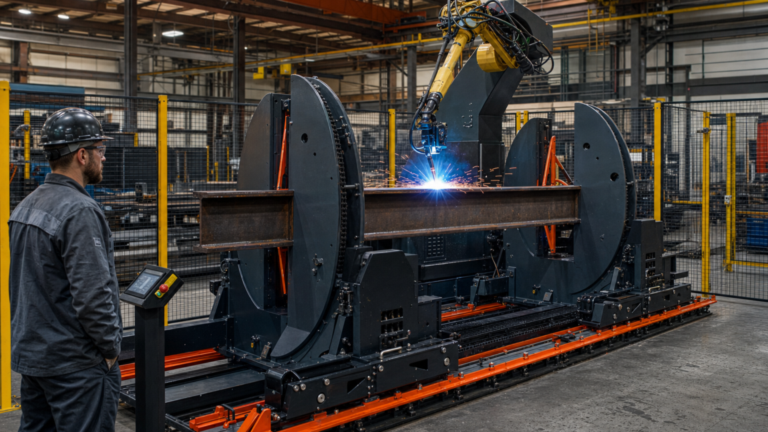
HII’s August 6, 2026 agreements show why robotic welding should be adopted through staged production proof. For fabricators considering an AGT BeamMaster, the decisive questions involve fit-up, data, weld quality, safety, ownership, material flow, and measured output—not the headline contract value.
Tri County Metals’ August 10, 2026 rollout of a second onsite standing-seam roll-forming team makes the portable-versus-plant decision more practical for long-panel roofing work. Onsite production fits when panel length, access, or transit risk dominates; fixed lines remain stronger for repeatable, higher-volume production.
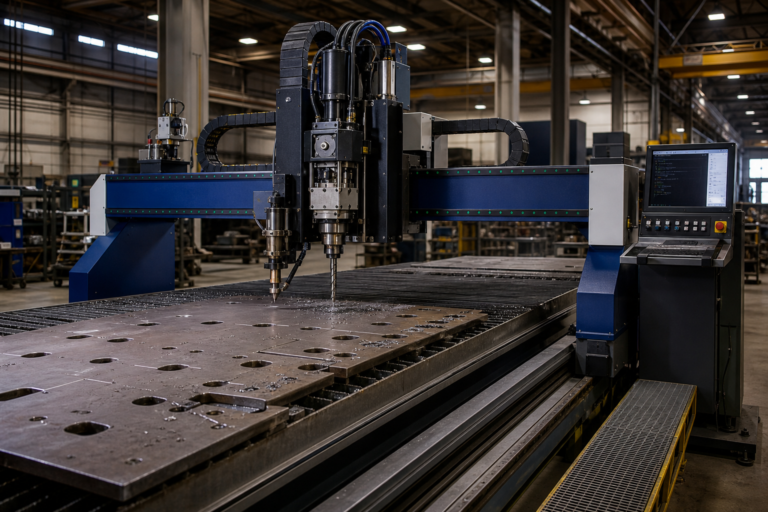
The Messer Element 500 with GD40 is most relevant to structural shops whose bottleneck is cut-and-drilled plate work. It combines thermal cutting, drilling, tapping, countersinking, counterboring, beveling, and marking in one CNC setup, but it does not automatically replace equipment built around long beams, coping, or beam drilling.
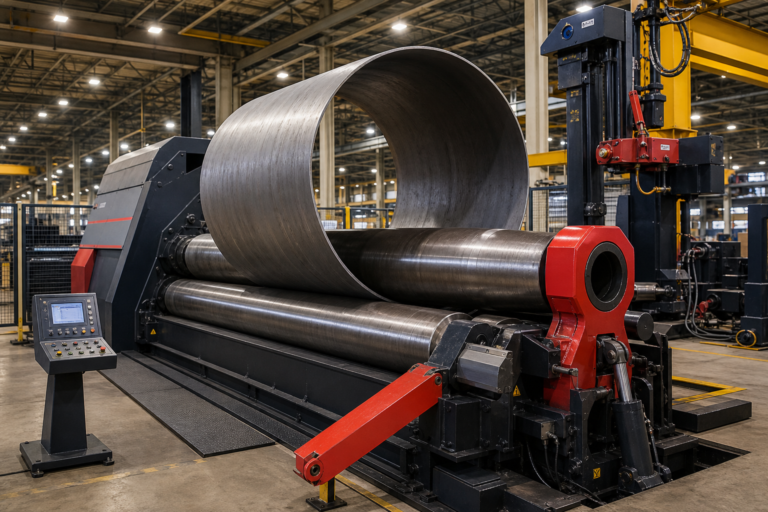
Davi’s expanded North American support operation can make application testing, training, parts planning, and retrofit review more practical for 4-roll plate-roll buyers, but it does not replace machine-fit validation.
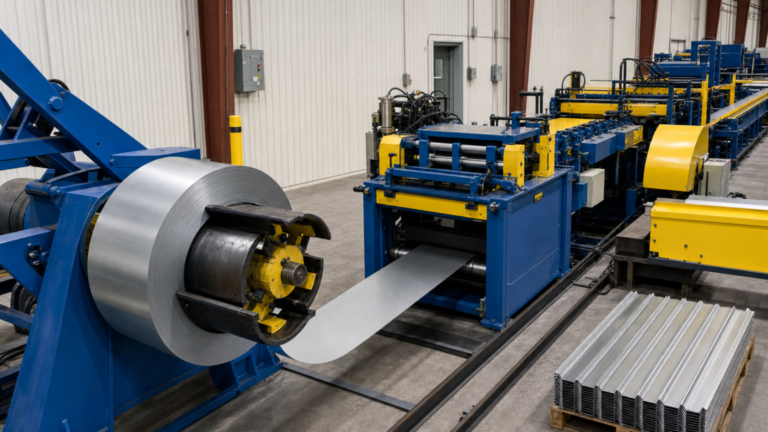
Manufacturer service capacity belongs in the purchase decision for a coil-fed roll-forming line. Bradbury’s June 30, 2026 customer-service expansion provides a current example of why controls, tooling, training, diagnostics, and parts planning should be evaluated alongside the Stefa PFL’s coil handling, forming, cutting, and unloading requirements.
The HSG TL3 PRO may reduce waiting before tube bending through a broad published tube envelope, floating chuck support, and parallel loading, but the full cut-to-bend gain depends on downstream tooling, identification, data flow, and bending capacity.
End of content
End of content