
On coil-fed forming lines and panel production floors, I keep seeing the same pattern: the equipment can run fast, but the work slows down at the press brake because operators are fighting clamp locations, tool staging, and safe handling during changeovers. The bottlenecks show up as inconsistent angles after a rush setup, scrap from tool mismatch left to right, and awkward reaching that turns a five minute tool swap into a twenty minute interruption. When clamp placement is planned for bending flexibility instead of just holding force, the press brake becomes the stabilizer in the cell instead of the constraint.
Express Clamp Placement Fundamentals for Press Brake Tooling and Bend Accuracy
In real shops, most bend variation blamed on material actually comes from uneven tool seating or inconsistent clamping along the bed, especially when short segmented tooling is moved around to chase part families. If express clamps are spaced without a plan, you get localized lifting, minor punch drift, and angle variation that shows up worst on long parts and thin gauges. That drives rework loops in high mix work and forces experienced operators to babysit the first article.
Clamp placement principles that improve flexibility and accuracy:
- Place express clamps symmetrically around centerline to keep tooling registration consistent left to right
- Increase clamp density near high tonnage stations such as hemming, bottoming, or large radius forming
- Leave deliberate open zones for quick insertion of short dies, window dies, and return flange tools
- Standardize clamp zones to match common tool segment lengths so staging becomes repeatable
- Verify clamp reach and daylight so the operator is not forced to shift tools to clear clamp bodies
The practical goal is to create predictable clamping zones so any operator can load a tooling layout the same way every time, with fewer test hits. Whether you are running traditional press brakes alongside a panel bender or complementing a Stefa folding system, stable tooling seating reduces angle spread and makes your bend deductions more reliable. The measurable result is fewer first piece iterations, less mid-run adjustment, and more confidence scheduling short runs.
Integrating Express Clamping with Coil Fed Production, Slitting, Shearing, and Material Flow
On coil-fed work, the press brake changeover usually steals the gains made upstream by better feeding, straightening, and shearing. I see coil lines feeding a Mac Shear or shear system cleanly, but then blanks stack up while the brake is re-tooled for the next width or part family. That mismatch creates WIP, forklift handling, and extra opportunities to dent material before it ever gets bent.
When express clamping is paired with a consistent blanking strategy, the line flows instead of surging. If you are slitting and shearing to predictable kit sizes, you can stage press brake tooling by family and move between jobs without breaking the whole setup down. In operations that also use Rytech material handling to move blanks or finished panels, reducing brake downtime smooths the entire cell and makes coil usage more efficient.
Material flow wins when clamping supports the upstream plan:
- Standardize part families by gauge and finish so tool sets stay grouped
- Align clamp zones with the most common die stations used for your sheared blank widths
- Use staging tables or carts so the next tool layout is built while the brake is running
- Reduce WIP piles by matching press brake changeover time to coil line cycle breaks
- Track scrap causes by station so clamp placement and tool seating issues get corrected permanently
If you are evaluating a broader coil system upgrade, express clamping is a low disruption step that still delivers meaningful throughput gains. For teams considering a larger integration path toward automated bending or folding cells, this becomes the foundation that keeps changeovers predictable while upstream equipment runs faster.
Changeover Time Reduction Strategies for Folding, Rolling, and Multi Step Forming Cells
In mixed fabrication cells that include press brakes, Akyapak rolling, and folding with systems like Erbend or Stefa, the hidden cost is not machine speed but setup friction between processes. Operators lose time hunting for the right segments, re-zeroing because tools shift, or breaking down layouts because clamps force a different arrangement each time. The result is longer queues, late jobs, and more overtime because the schedule cannot trust small batch throughput.
Express clamp placement enables a repeatable tooling map, which is what makes offline setup and staged changeovers work. Instead of treating each job as a custom layout, you build a few proven templates that match your highest running part families. Manual express clamps can be the right first move for high mix, while automated clamp systems make sense when the brake is feeding a downstream folding or rolling queue that cannot wait.
ROI drivers I look for in changeover focused cells:
- High job count per shift with frequent tool swaps and short runs
- Multiple operators with varying experience causing inconsistent setup quality
- Downstream constraints like panel benders or rollers waiting on brake output
- Frequent rework tied to tool misalignment, poor seating, or station-to-station variation
- Overtime driven by setup time rather than actual bend cycle time
A staged approach often wins: fix clamp placement and standardize layouts first, then decide if automated clamping is justified by job volume and staffing. When done right, you see faster first articles, fewer interruptions mid-run, and the ability to reallocate skilled labor from setup firefighting to higher value work like inspection, programming, or cell balancing.
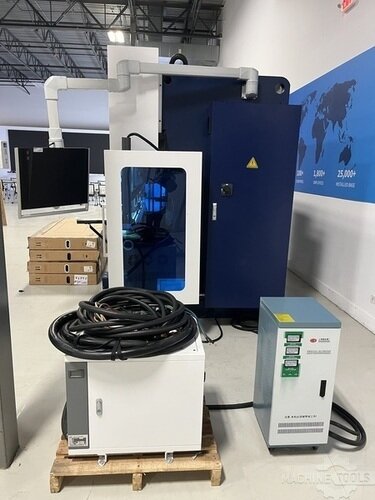
HSG HC1703
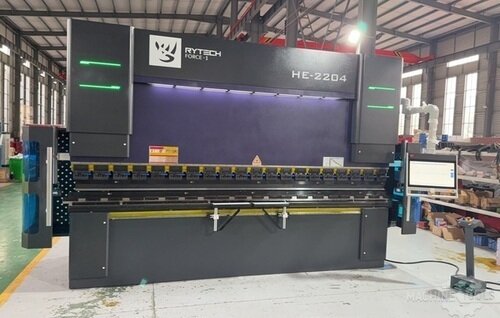
RYTECH FORCE-1 HE 2204
Safety, Ergonomics, and Error Proofing for Automated and Semi Automated Clamp Systems
Unsafe handling shows up when operators have to reach around clamp bodies, lift heavy segments repeatedly, or fight awkward tool insertion angles at the bed. That is where pinched fingers, dropped tooling, and rushed shortcuts happen, especially during shift changeovers. The safety issue is not just the clamp force, it is whether clamp placement forces bad posture and unnecessary manual manipulation.
With thoughtful clamp locations and consistent clearance, tool loading becomes a controlled motion instead of a struggle. Semi automated clamping can reduce repetitive hand actions, while more automated systems help standardize the sequence so new operators do not improvise. Error proofing also improves because tool segments land in the same zones every time, making it easier to visually verify the layout before bending.
Error proofing and ergonomics that reduce incidents and scrap:
- Keep clamp levers or actuation points accessible without reaching over sharp tooling
- Maintain clear insertion lanes so segmented tools slide in without twisting
- Use consistent left right reference points so tooling is not mirrored by mistake
- Add simple checklists tied to clamp zones for high mix setups
- Plan for safe staging so tools are not carried long distances across the floor
The payback is measurable: fewer near misses, less tool damage, and less scrap from incorrect tool placement. Shops also see improved training outcomes because the work becomes more standardized, which matters when you are expanding capacity or cross training operators between a press brake and a folder.
Next Steps for Evaluating and Implementing Express Clamping Upgrades for ROI and Throughput
The right path depends on how your press brake supports the rest of the line, whether it is feeding a panel bender, supporting coil-fed blanks, or acting as the primary forming center. I typically start by mapping your top part families, tonnage demands by station, and the changeover patterns that cause schedule instability. From there, we define clamp zones, confirm tool segment standards, and decide whether manual express clamps or automated clamping makes the most sense.
If you want to explore clamp options and tooling support components, Mac-Tech has resources and products online at https://shop.mac-tech.com/. For shops also evaluating broader workflow improvements tied to quoting, scheduling, and operational visibility, it can be helpful to connect the setup plan to your data flow, and https://vayjo.com/ can support that conversation when it aligns with your goals.
Information I need to size an upgrade correctly:
- Press brake make model, bed length, and typical tonnage and forming methods
- Common material types, gauges, and finished part lengths
- Tooling style and segment inventory, including special dies for hemming or offsetting
- Job mix details such as changeovers per shift and batch sizes
- Throughput targets and where WIP accumulates in the current process
The strongest results come when clamp placement, tooling standards, and material flow are treated as one system. That is how you get repeatable bends, faster changeovers, and a schedule you can trust without adding labor.
FAQ
When is it time to upgrade clamping instead of buying another press brake?
If your brake sits idle during frequent changeovers or you see scrap tied to tool seating and setup variation, clamping is often the fastest throughput upgrade.
Servo vs hydraulic systems, what tradeoffs matter for forming cells?
Servo systems typically improve repeatability and energy use, while hydraulic systems can be cost effective and robust for heavy tonnage work; the right choice depends on your mix and accuracy requirements.
What is the best tooling change strategy for high mix press brake work?
Standardize tool segment lengths, build repeatable layouts by part family, and place express clamps to support those layouts so operators stop reinventing setups.
What coil handling improvements reduce labor and improve safety the most?
Better decoiling, straightening, and controlled transfer to shearing reduce manual lifting and forklift moves, which cuts damage to blanks and improves flow to forming.
When does a panel bender make sense for high mix production?
If you have lots of rectangular panels with repeat flanges and you need consistent angles with low operator dependency, a panel bender can stabilize output and reduce rework.
What maintenance wear points should we plan for in coil-fed lines feeding bending?
Focus on straightener rolls, feeder alignment, shear blades, and transfer surfaces because those are common sources of marking, camber, and dimensional drift that show up later as bending variation.
Contact me for a walkthrough, demo, or express clamping upgrade consultation at pat@mac-tech.com or 414-232-7929, and you can also explore options at https://shop.mac-tech.com/.
Get Weekly Mac-Tech News & Updates
