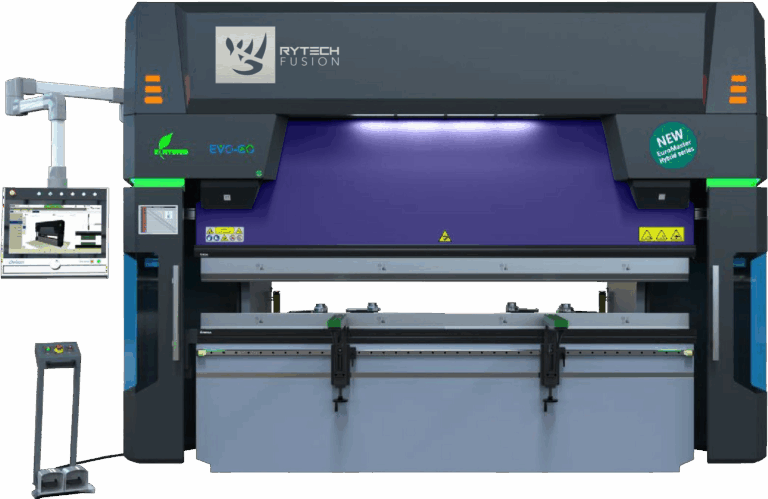
On coil-fed lines, I keep seeing the same pattern: the machines can run fast, but the line still loses hours because the transition points are not standardized. A small mismatch at the tool interface forces shimming, re-teaching, test hits, and extra handling, and that is where scrap and unsafe workarounds show up. When punch holder height is not compatible with what the OEM intended, operators compensate with time, material, and risk. The practical fix is rarely exotic, it is disciplined height standardization so every station can repeat setups without rework.
How OEM Punch Holder Height Standards Cut Setup Time and Reduce Scrap in Coil-Fed Lines
In real shops, punch holder height problems look like constant “tweaking” at the press brake or folding station after a coil change, even when the program is correct. Operators end up chasing bend angle drift, inconsistent flange lengths, and marks that only appear after the line warms up. Those first few parts become sacrificial, and the schedule absorbs it as normal.
When punch holder height matches the OEM standard, the tooling centerline lands where the machine expects it every time. That means the ram approach, crowning reference, backgauge positions, and bend deductions stay consistent from job to job. The result is fewer prove-out cycles and fewer coil feet turned into scrap before the line stabilizes.
ROI drivers tied to height standardization:
- Fewer test bends and first-off rejects after coil swaps
- Faster tool changes with less shimming and measuring
- More repeatable bend angles across shifts and operators
- Less material handling between coil feed, forming, and downstream stations
Verifying Height Compatibility Across Folding, Slitting, Shearing, and Roll Forming Stations
In a coil-fed environment, height compatibility is not just a press brake issue. If the folding station is set up one way, the slitter introduces slight camber, and the shear datum is different, the formed part “walks” through the line and the next station pays the price. I see it as a material flow issue that shows up as misfeeds, skew, edge damage, and intermittent quality checks that stop production.
The verification step is straightforward: establish a common reference from coil system passline through slitting, shearing, folding, and roll forming. On lines that include a Mac Shear, a folder like a Stefa or Erbend, and downstream roll forming, we check tool stack height, holder height, and where the process wants the neutral axis relative to the passline. Once that is consistent, you can set the line once and run it instead of “re-aligning the world” for each job.
Decision criteria for a compatibility check:
- Confirmed passline height from straightener to forming station
- OEM punch holder height spec versus current tool stack height
- Changeover frequency and how often operators re-touch programs
- Where the part quality issue begins, not where it is detected
Retrofit Options and Automation Integration for Faster Changeovers and Better Material Flow
If a line is running but fighting height inconsistencies, I usually recommend staged upgrades before ripping everything out. Retrofitting compatible punch holders or standardized adapters is often enough to eliminate shimming and bring setups back to a repeatable baseline. This is especially effective when the rest of the line is solid, but the tooling interface has drifted over time with mixed tooling sources.
From there, automation becomes more valuable because the process is stable. With a consistent height standard, you can justify faster changeovers, program libraries that actually repeat, and better integration with coil systems that reduce manual handling. That is where panel benders and folders shine for high-mix work, and where roll formers from partners like Akyapak or integrated solutions with Rytech can benefit from predictable infeed and exit conditions.
What fixes it fastest, in order:
- Standardized OEM-height punch holders or certified height adapters
- Documented setup sheets tied to measured, repeatable stack heights
- Coil system tuning to maintain passline and strip tracking
- Automation add-ons once the mechanical baseline is consistent
For compatible tooling and holder options, I point teams to our tooling and accessory resources at https://shop.mac-tech.com/ so they can spec components that match their OEM requirements and reduce trial-and-error purchasing.
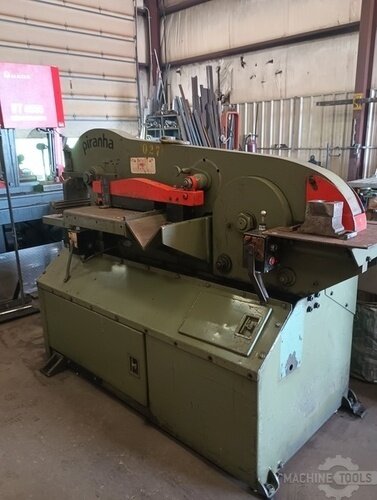
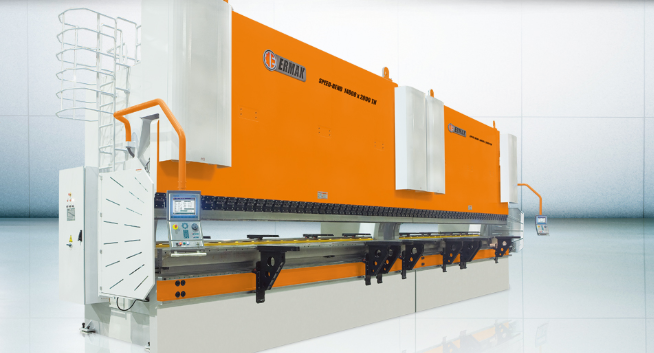
PIRANHA P-90
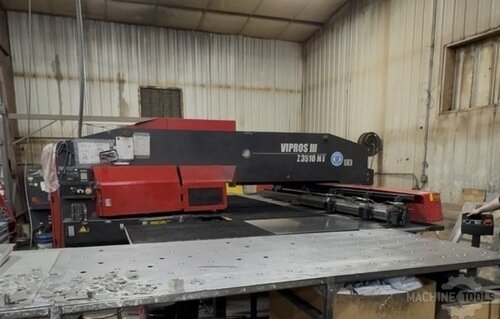
AMADA VIPROS III Z3510 NT
Precision, Tooling Wear, and Part Quality Impacts of Mismatched Punch Holder Height
When punch holder height is wrong, the machine still makes parts, but it does it by loading components in ways the OEM did not design for. You see it as uneven tonnage distribution, more frequent tool marks, and “mystery” angle changes across long parts. On coil-fed runs, that inconsistency compounds because you are producing continuously, and small variation becomes pallets of rework.
Mismatched height also accelerates wear because contact surfaces are not seating properly and operators over-tighten or over-compensate. That shows up in premature punch and die wear, loose holders, and a growing gap between programmed and actual results. Once height is corrected, the press brake or folding station becomes predictable again, and downstream operations like shearing and roll forming stop chasing upstream variation.
Quality and wear indicators that point to height mismatch:
- Angle drift after tool changes even with the same program
- Excessive shimming, repeated crowning adjustments, or re-teaching
- Tooling galling, unexpected marking, or uneven wear patterns
- More frequent “operator-dependent” results across shifts
Next Steps for a Safer, Higher ROI Coil-Fed Line Upgrade
The best next step is to map your current passline and tooling heights across each station, then compare that to the OEM punch holder standard for the press brake, folder, or panel bender. Once we know where the mismatch is, we can choose the least disruptive path: retrofit holders and adapters, update tooling packages, or plan a phased station upgrade that keeps production moving.
If your constraints are labor and safety, coil handling and changeover strategy are usually the quickest wins. A stable, height-compatible setup reduces the need for manual lifting, measuring, and “hands-in” adjustments near pinch points. That frees skilled operators to focus on throughput and inspection rather than fighting the setup.
Information I need to size the right path:
- Material type, gauge range, and coil width
- Target throughput, changeover frequency, and part mix
- Current machines and stations (shear, slitter, folder, roll former)
- Tooling style, holder style, and any existing OEM specs
FAQ
When should I upgrade a roll former, folder, shear, or coil line?
Upgrade when changeovers and alignment checks consistently cost more time than the machine’s cycle time saves, or when scrap/rework becomes a weekly norm.
Servo vs hydraulic forming, what is the practical tradeoff?
Servo systems typically deliver faster, more repeatable positioning and easier automation integration, while hydraulic can be robust for heavy work but may require more tuning for repeatability.
What is the fastest setup reduction strategy in press brake tooling?
Standardize punch holder height to the OEM spec and lock in repeatable tool stacks so programs and crowning references do not need rework each changeover.
How do coil handling improvements reduce labor and improve safety?
Better coil loading, straightening, and passline control reduce manual guiding and corrective handling that puts hands near pinch points and consumes operator time.
Are panel benders a good fit for high-mix production?
Yes, especially when you need quick changeovers and consistent bends across varying panel sizes without constant tooling swaps.
What maintenance planning prevents coil-fed line drift?
Focus on holder clamping surfaces, tooling wear points, straightener rolls, and passline references so small mechanical changes do not become quality problems.
What information do you need from me to recommend tooling and height-compatible holders?
Send profiles, gauges, coil width, target throughput, and your current machine models and tooling styles so I can confirm OEM height targets and retrofit options.
Email me at pat@mac-tech.com or call 414-232-7929 and I will walk your line with you and recommend the quickest height-compatible upgrade path, or we can review options together at https://shop.mac-tech.com/.
Get Weekly Mac-Tech News & Updates

Similar Posts
Manual Lever Express Clamps Cut Press Brake Changeover Time
Pat O’Neill explains how manual lever express clamps can reduce press brake changeover time, helping shops maintain higher throughput and more consistent part quality. By simplifying tool clamping and improving setup repeatability, operators can hold forming accuracy, minimize handling errors, and cut scrap and rework. The article emphasizes choosing forming solutions and coil-fed system approaches that support fast, reliable transitions between jobs, strengthening overall line reliability and responsiveness. Pat O’Neill National Product Manager / Regional Sales Executive, Mac-Tech pat@mac-tech.com | 414-232-7929
Faster, Safer Setup with Sectional Express Clamps Upper Beam
Pat O’Neill explains how Sectional Express Clamps for the upper beam speed setup while improving safety and consistency in coil-fed roll forming. By stabilizing tooling alignment and reducing manual adjustments, the clamps help achieve more accurate forming, fewer defects, and lower scrap rates. He emphasizes that smarter forming choices and well-integrated coil-fed system decisions increase throughput, minimize unplanned downtime, and strengthen overall line reliability, making changeovers faster and production more predictable. Pat O’Neill National Product Manager / Regional Sales Executive, Mac-Tech pat@mac-tech.com | 414-232-7929
Seamless Automation: Panel Benders in Coil-to-Part Lines
In the article Seamless Automation: Panel Benders in Coil-to-Part Lines, Pat O’Neill, a National Product Manager and Regional Sales Executive at Mac-Tech, discusses how manufacturers can enhance production efficiency, forming accuracy, and line reliability. Pat emphasizes the importance of selecting the right machines and integrating automation into manufacturing processes. He advocates for real-world planning to ensure seamless operations and optimal performance. By focusing on these strategies, Pat assists manufacturers in achieving more productive and reliable production lines. Pat O’Neill National Product Manager / Regional Sales Executive, Mac-Tech pat@mac-tech.com | 414-232-7929
Unlock Precision and Speed with CNC Folder Upgrade
Pat O’Neill, a National Product Manager and Regional Sales Executive at Mac-Tech, discusses enhancing production efficiency through CNC folder upgrades. He emphasizes the importance of precision and speed in manufacturing and explains how advanced roll forming, folding, and coil-fed fabrication systems can significantly improve these aspects. Pat assists customers in optimizing their production processes by implementing these technologies, leading to increased output and reduced costs. For further inquiries or assistance, Pat can be contacted at pat@mac-tech.com or 414-232-7929.
Stefa Gutter Roll Forming Cuts Scrap, Improves Throughput
The article explains how Stefa gutter roll forming boosts productivity by making smarter roll-forming and coil-fed system choices. By optimizing forming stations, tooling, and material handling, the line maintains tighter profiles and more consistent cut lengths, reducing rework and scrap. Integrated coil feeding, controls, and cutoff coordination improve speed without sacrificing accuracy, while better guidance, tensioning, and changeover practices increase uptime. The result is higher throughput, improved forming reliability, and steadier output quality. Pat O’Neill National Product Manager / Regional Sales Executive, Mac-Tech pat@mac-tech.com | 414-232-7929
Choosing Hybrid Over Electric Drives in Rytech Systems: Cost and Precision Benefits
The article by Patrick O’Neill discusses the advantages of choosing hybrid drives over electric ones for Rytech Systems, focusing on cost-effectiveness and precision. Pat emphasizes how manufacturers can enhance production efficiency, forming accuracy, and line reliability by selecting the right machinery, incorporating automation, and engaging in practical planning. He provides insights on optimizing manufacturing processes to achieve better outcomes. Pat O’Neill National Product Manager / Regional Sales Executive, Mac-Tech pat@mac-tech.com | 414-232-7929