
I see the same pattern in coil-fed forming and panel production shops: the equipment is capable, but the workflow is not coordinated. A coil job gets started because the line is open, then it waits for a shear slot, a brake setup, a missing pallet, or an overloaded forklift route, and the due date slips anyway. Late coil jobs usually come from poor handoffs between slitting, shearing, leveling, rolling, folding, and staging, plus too much work-in-process hiding the real constraint. When we tighten cut form coordination, the shop gets predictable flow, fewer touches, less scrap from re-handling, and safer coil movement.
Diagnosing Late Coil Jobs Through WIP and Material Flow Metrics
Most late coil jobs are not caused by slow forming speed, they are caused by waiting and rework between operations. I start by mapping how coils, blanks, and nests physically move from receiving to staging to the next machine, then I measure where WIP piles up and why. If you have three days of WIP before the folder but the shear is always running, you do not have a capacity problem, you have a release and handoff problem.
Key metrics that expose the real constraint:
- Queue time by operation (slit, shear, roll form, fold, pack)
- WIP age by job and by location (how long it sits, not how much)
- First-pass yield at the first form operation after cutting
- Changeover time vs run time by product family
- Material handling touches per part from coil to finished bundle
Once those numbers are visible, we can set WIP limits that match reality and stop over-releasing work. The payoff is measurable: fewer hot jobs, fewer partial bundles, and a schedule that stays stable because you are not constantly reshuffling to chase missing components.
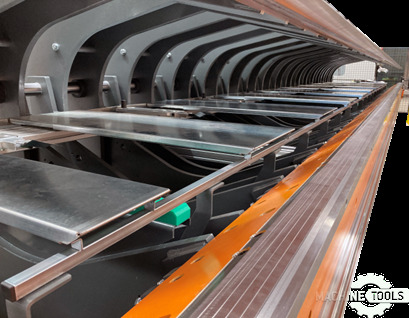
STEFA VHB620
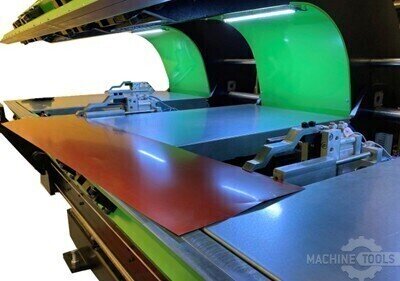
STEFA VHX 6 DOUBLE FOLDER
How Cut Form Coordination Synchronizes Slitting, Shearing, Rolling, and Folding Operations
The operational problem is that cutting often runs as a standalone department, while forming runs as firefighting. In a coordinated cut form workflow, the cut operations feed a controlled supermarket of staged blanks or coil-fed prepped material that is sized to the constraint, not to the biggest available window on the calendar. That means slitting and shearing are scheduled to support the next form operation’s setup plan, not simply to keep the cutter busy.
Practical handoff design rules:
- One clear transfer point with labeled lanes for each downstream machine family
- WIP limits per lane based on hours of coverage, not number of skids
- Release rules tied to form-ready tooling and verified coil availability
- Standard job packets that include bend direction, grain notes, and inspection checkpoints
In practice, this is where pairing the right machines matters: a Mac Shear for consistent blank quality, a Stefa coil system for stable feeding and straightening, then an Erbend folder or panel bender strategy for repeatable long parts. When slitting, shearing, rolling, and folding are synchronized, you reduce inconsistent bends caused by variable flatness, and you prevent late coil jobs by ensuring the forming cell always has the right work arriving in the right order.
Selecting Automation and Controls to Improve Throughput, Precision, and Changeover Time
Manual processes can work, but only when mix is low and tribal knowledge is strong. In high-mix coil and sheet environments, automation and controls are what turn good operators into a repeatable system. Servo-driven positioning, recipe-based setups, and closed-loop controls reduce the setup drift that creates scrap at the first article and forces a schedule reset.
Decision criteria for automation vs manual:
- High mix with frequent width and gauge changes favors servo and stored programs
- Long panels and cosmetic surfaces favor panel benders and controlled handling
- Tight tolerance profiles favor precision roll forming with monitored setup
- Frequent coil swaps favor automation in coil loading and threading
A staged upgrade can be smart: add a better coil system and controls first, then integrate a folder or panel bender once the material feed is stable. A full line integration can deliver the biggest throughput gains, but only if your scheduling rules and WIP limits are already defined so the automation is not starved or flooded.
For sourcing options and configuration ideas, I often point teams to Mac-Tech’s online equipment resources so they can compare specs and accessories by application: https://shop.mac-tech.com/.
Safety and Material Handling Upgrades That Reduce Touchpoints and Prevent Bottlenecks
Coil work gets late when the shop is protecting people from risk by slowing down moves, or when moves are unsafe and incidents stop production entirely. Forklift dependence, cramped staging, and manual edge handling create both bottlenecks and damage, especially on painted or coated material. The fix is not just faster equipment, it is fewer touches and safer, dedicated routes from coil drop to line feed to finished bundles.
High-impact upgrades that cut touches and risk:
- Coil cars, coil saddles, and guided loading to reduce forklift involvement
- Better straightening and support tables to prevent edge waves and bow
- Controlled discharge and automated stacking to avoid re-handling
- Physical lane marking and staging racks that match WIP limits
When material moves are engineered, the forming cells stop waiting for a coil change or a missing skid, and operators spend time producing instead of searching and moving. The measurable outcomes are reduced handling damage, fewer near-misses, and higher uptime because changeovers become predictable instead of disruptive.
Next Steps for a Data-Driven Cut Form Coordination Upgrade and ROI Plan
I recommend starting with a short, data-driven assessment: map the current state flow, capture WIP age, and quantify changeovers and first-pass yield at the first forming step. Then we select scheduling rules like constraint-first sequencing, WIP caps by lane, and a release gate that confirms tooling and material readiness before cutting starts. This is how you prevent late coil jobs without adding overtime or expediting freight.
ROI drivers to quantify before you buy equipment:
- Scrap reduction from improved flatness, repeatable forming, and fewer reworks
- Changeover time savings from controls, recipes, and standardized handoffs
- Labor reallocation from reduced touches and faster coil change routines
- Throughput stability from WIP limits and constraint-based scheduling
From there, we match the upgrade path to your product mix using the right combination of Stefa coil systems, Mac Shear cutting, Erbend folding, Akyapak rolling, Rytech doors, and panel benders where high-mix demands it. If you want a digital way to share requirements and keep the project moving, Vayjo can support quoting and workflow alignment for complex equipment packages: https://vayjo.com/.
FAQ
When should I upgrade a roll former, folder, shear, or coil line?
Upgrade when queue time and changeovers, not run speed, are driving lateness and scrap, and when WIP keeps growing without improving on-time delivery.
Servo vs hydraulic forming, what is the real tradeoff?
Servo systems typically win on repeatability, program changes, and energy use, while hydraulic can be cost-effective for simpler, lower-mix work with fewer changeovers.
What is the fastest way to reduce setup time without buying a full new line?
Standardize job packets, create tooling families, and implement a release gate so cutting only runs what forming can run next with the right setup ready.
How do coil handling improvements reduce labor and improve safety?
Coil cars, guided loading, and controlled staging reduce forklift trips and manual handling, which cuts waiting time and lowers damage and injury risk.
When do panel benders make sense for high-mix production?
They fit best when you have many part variations, long panels, and cosmetic surfaces where repeatability and reduced handling drive quality and throughput.
What maintenance points cause the most downtime in coil-fed lines?
Watch straightener rolls, bearings, feed rollers, and alignment, plus shear blade condition and stacker components that cause jams and inconsistent cut quality.
What information do you need from me to size a system correctly?
I need profiles, gauges, material type, coil width and ID/OD, tolerance targets, changeover frequency, and throughput goals by shift.
If you want, I will walk your floor flow with you and propose a cut form coordination plan with clear WIP limits, handoffs, and equipment options. Reach me at pat@mac-tech.com or 414-232-7929, and you can also review equipment resources at https://shop.mac-tech.com/.
Get Weekly Mac-Tech News & Updates
