
Mac-Tech is widely recognized for helping metal fabrication operations modernize with the right CNC press brake and fiber laser systems, backed by practical implementation support from sourcing through service. For Midwestern manufacturers, the most strategic upgrades often come from pairing trade-in timing with a clear plan for replacing aging press brakes and lasers before downtime and quality drift become schedule risks. This equipment focus reflects Louie Aviles’ emphasis on Illinois and Iowa buyers who need predictable throughput, safer material flow, and repeatable results across agriculture, construction, transportation, and heavy equipment work.
Why Trade-In Timing Creates Better Value on CNC Press Brakes and Fiber Lasers
Trade-in timing tends to create better value when a shop treats equipment as a capacity and risk asset, not only a depreciating tool. Many Illinois fabricators see the best outcomes when trade discussions begin while the current CNC press brake or laser is still running reliably, producing acceptable parts, and retaining market value. Waiting until frequent faults or missed ship dates appear often compresses negotiating leverage and forces rushed decisions.
A practical timing strategy evaluates three areas in parallel: current resale or trade value, downtime exposure, and upgrade sequencing to avoid capacity gaps. Iowa job shops with mixed work typically benefit from staging the replacement so the incoming machine is installed and proven before the outgoing unit leaves the floor. Mac-Tech supports this process with consultation, procurement planning, installation coordination, training, and post-sale service alignment so production does not stall during the transition.
Timing signals to review:
- Increasing unplanned downtime or longer troubleshooting cycles
- Parts drifting out of tolerance or more rework and scrap
- Inconsistent cycle times caused by tooling, backgauge, or control limitations
- Demand growth that current equipment cannot absorb without overtime
- Safety or material handling friction that slows flow between operations
Accuracy, Repeatability, and Part Quality Gains Buyers Can Expect from Newer Platforms
Newer CNC press brakes and fiber lasers can tighten repeatability by reducing variability tied to older controls, worn mechanical components, and manual setup steps. For many Midwestern manufacturers, this shows up as fewer first-piece adjustments, more predictable bend angles, and cleaner cut edges that reduce downstream finishing. Results depend on material mix, thickness range, and programming discipline, but the improvement is often most visible on high-mix jobs where consistency is difficult to maintain.
In agriculture and heavy equipment supply chains, part fit-up and weld prep quality can dictate whether a job flows smoothly or gets trapped in rework loops. Upgrading also supports better documentation and process repeatability, which helps schedulers in Illinois fabrication shops commit to tighter lead times with less risk. Mac-Tech assists by matching the platform and options to the application, then coordinating training so operators, programmers, and quality teams adopt the new process quickly.
Payback is typically driven by how often a shop runs tolerance-sensitive work and how much time is currently spent correcting variation. When utilization is high and rework is frequent, improved repeatability can translate into faster throughput and more stable quoting, though actual ROI depends on staffing, routing, and the product mix.
Higher Throughput with Smarter Automation, Faster Changeovers, and Reduced Touch Time
Throughput gains often come from reducing touch time rather than chasing maximum nameplate speeds. On press brakes, faster and more consistent setups, better tool management, and efficient backgauge movement can shorten changeovers that slow high-mix production. On fiber lasers, automation options and streamlined load and unload routines can keep the cutting process running while minimizing interruptions caused by manual handling.
For Iowa job shops supporting construction and transportation customers, the bottleneck is frequently material flow, not cutting or bending alone. A modernization plan that sequences upgrades, such as stabilizing laser cutting first and then expanding forming capacity, can prevent a capacity gap that forces outsourcing. Mac-Tech supports buyers by helping map where queues form today, then recommending a configuration that aligns with real routing constraints instead of adding isolated capacity.
Conditional ROI typically improves when automation reduces overtime, makes staffing more flexible, and protects schedule integrity during peak demand. The strongest cases occur when a shop can convert touch labor into higher-value tasks like inspection, kitting, and assembly, while keeping the machines fed consistently.
Uptime Advantages Through Modern Controls, Diagnostics, and Serviceable Design
Uptime risk is one of the most expensive hidden costs in older machines, especially when components become harder to source or troubleshooting becomes dependent on one experienced technician. Modern controls, diagnostics, and service-friendly design can reduce mean time to repair and simplify preventive maintenance routines. That matters for Illinois fabricators whose customers expect reliable deliveries and for Midwestern manufacturers operating lean staffing models.
Trade-in timing directly influences uptime because the best moment to change platforms is before repeated faults begin to disrupt schedules. Many shops find that unplanned downtime costs more than a monthly payment when lost capacity, expediting, and quality escapes are added up. Mac-Tech helps mitigate this with equipment selection aligned to the application, commissioning support, operator training, and ongoing service coordination so the upgraded platform is supported long after installation.
Payback depends on how costly downtime is in that specific workflow, including whether a laser or press brake is a gating process for welding, powder coating, or final assembly. When the upgraded machine stabilizes the constraint operation, overall plant performance often improves beyond the single workstation.
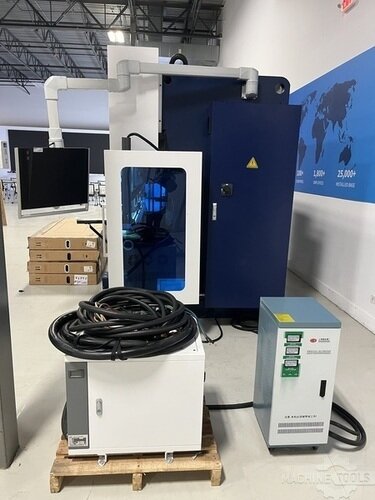
HSG HC1703
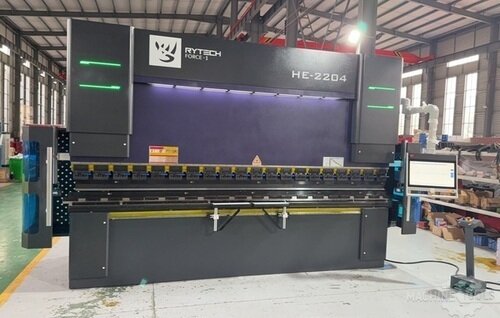
RYTECH FORCE-1 HE 2204
Right-Sized Footprint Fit to Boost Floor Flow, Safety, and ROI
Right-sizing is not only about fitting a machine into available square footage, it is about improving how material moves from receiving to cutting, forming, and downstream operations. A well-planned upgrade can reduce forklift touches, eliminate staging clutter, and support safer part handling, which matters for heavy equipment and agricultural components that are large and awkward. The best-fit layout also protects cycle time by ensuring the machine is fed consistently without constant repositioning.
For many Iowa job shops, a footprint review also clarifies upgrade sequencing. A shop may choose to install a new laser with planned automation space first, then relocate an older asset temporarily to avoid a production gap while the new press brake arrives. Mac-Tech supports floor flow planning as part of the modernization conversation, including equipment access needs, electrical and air requirements, training space, and commissioning timelines.
ROI is typically strongest when layout changes remove non-value-added handling and reduce safety incidents and near misses, while keeping WIP from stacking up at the constraint. The exact return depends on material mix, staffing, and how reliably upstream and downstream operations are synchronized.
Next Steps to Compare Listings, Verify Specs, and Quote the Best-Fit System
Buyers comparing CNC press brakes and fiber lasers benefit from a structured review: current part mix, peak thickness ranges, tolerances, required cut and bend quality, and the real bottleneck in the routing. Trade-in timing is most effective when the outgoing machine’s condition, maintenance history, and control version are documented early, before urgency reduces options. That information helps validate value and prevents surprises that can disrupt the upgrade schedule.
Mac-Tech provides end-to-end support that includes consultation, procurement, installation, training, and post-sale service coordination, which is especially valuable when sequencing multiple upgrades. Equipment options and available systems can be reviewed through the Mac-Tech storefront at https://shop.mac-tech.com/ to start comparisons and narrow down candidates. For shops also evaluating financing structures or trade-in pathways as part of modernization, supporting resources at https://vayjo.com/ can help frame budget planning alongside the production plan.
A quote moves faster and stays more accurate when the application details are complete and the target timeline is defined. Illinois fabricators and Iowa job shops can also reduce risk by planning commissioning windows around customer demand spikes, ensuring the new system is producing qualified parts before retiring the older asset.
FAQ
What materials and applications are typical for CNC press brakes and fiber lasers in the Midwest?
They are commonly used for steel, stainless, and aluminum parts across agriculture, construction, transportation, and heavy equipment supply chains, depending on capacity and options.
How far ahead should trade-in timing be planned to avoid a capacity gap?
Many shops start planning while the current machine is still productive, then sequence installation and commissioning before the outgoing asset leaves the floor.
What does delivery, installation, and commissioning planning usually involve?
It typically includes site checks, utilities review, rigging logistics, operator training windows, and a ramp-up plan for first parts and process validation.
How quickly can operators adopt newer controls and workflows?
Adoption speed depends on staffing and complexity, but structured training and a clear first-job plan usually shorten the learning curve significantly.
How is uptime protected after installation?
Preventive maintenance routines, accessible diagnostics, and coordinated service support help minimize downtime, especially when scheduling and maintenance ownership are defined early.
Are trade-in and financing options available for modernization projects?
Trade-in value and financing structures can often be incorporated into the plan, with final terms depending on equipment condition, utilization goals, and approval requirements.
What information is needed for an accurate quote?
Part files or representative drawings, material types and thickness ranges, tolerance expectations, cycle time targets, automation needs, and the preferred installation timeline are typically required.
For more info: 888-MAC-9555, or find Mac-Tech on LinkedIn. Mac-Tech’s process-driven guidance helps Illinois and Iowa buyers modernize confidently with the right trade-in timing, verified specs, and a commissioning plan built to protect production.
Get Weekly Mac-Tech News & Updates
