
Electric vs Hybrid Rytech Press Brakes: Efficiency and Precision Insights
As a Regional Sales Executive at Mac-Tech, I’ve spent countless hours with Midwest fabricators, helping them navigate the complex world of press brakes. One observation stands out: the decision between electric and hybrid Rytech press brakes often hinges on a delicate balance of precision and efficiency. Let’s explore this further.
Comparing Precision: Electric vs Hybrid Rytech Press Brakes
In the quest for precision, fabricators frequently debate between electric and hybrid systems. The electric Rytech press brakes are renowned for their accuracy, providing consistent performance without the hydraulic fluid fluctuations found in hybrids. This precision translates to fewer errors and reduced waste, which is crucial for high-stakes projects.
However, hybrids offer a compelling advantage in energy efficiency, utilizing hydraulic assist to maintain power without sacrificing accuracy. This makes them ideal for operations with variable workloads. Choosing the right system often depends on your specific precision needs and the complexity of your projects.
Workflow Efficiency: Real-World Insights from Fabricators
Efficiency is the backbone of any successful fabrication shop. From my visits to various sites, the most common challenge is minimizing downtime. Electric press brakes shine here with faster cycle times and lower maintenance needs, as they have fewer moving parts. This leads to a smoother workflow and increased throughput.
Hybrid systems, while slightly slower, offer significant energy savings and can handle heavier workloads with ease. This efficiency can be crucial for shops that are energy-conscious or have sustainability goals.
Setup Speed and Accuracy: Key Factors for Success
Setup speed is another critical factor. Electric Rytech brakes excel with their intuitive controls and quick changeovers, reducing setup times significantly. This is a game-changer for high-mix, low-volume production environments where flexibility is key.
Hybrids, while slightly behind in setup speed, offer robust performance in maintaining accuracy across various thicknesses and materials. The choice here often comes down to the specific demands of your production schedule and the skill level of your operators.
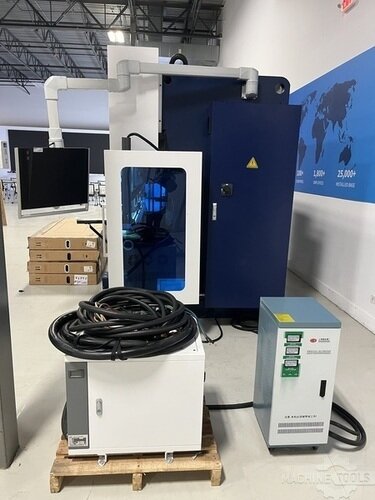
HSG HC1703
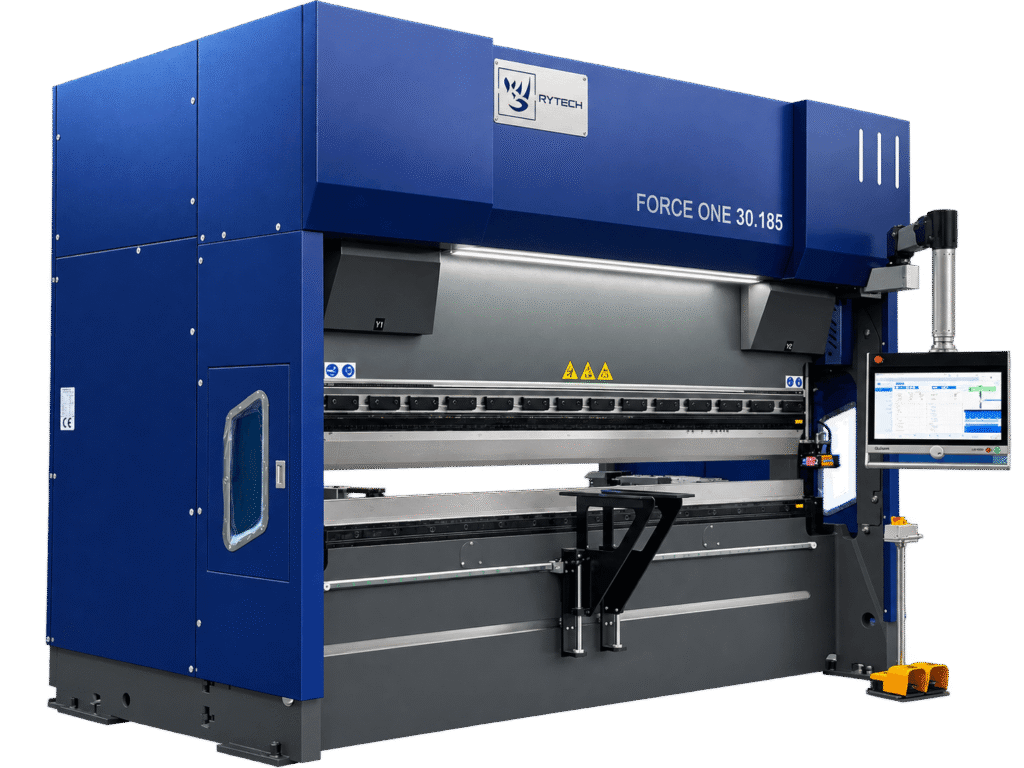
RYTECH FORCE ONE HYDRAULIC PERFORMANCE PRESS BRAKE
The RYTECH FORCE ONE Hydraulic Performance Press Brake combines heavy-duty construction, advanced CNC controls, and proven hydraulic technology for accurate, reliable bending. Featuring Precision…
Evaluating ROI: Tooling and Control Innovations
Return on investment is a frequent topic of discussion. Electric systems often have a higher upfront cost but offer savings in energy and maintenance over time. Innovations in tooling and control systems further enhance their ROI by reducing material waste and increasing precision.
Hybrid systems provide a balanced ROI with their lower initial costs and robust performance. For those who prioritize energy efficiency, hybrids can offer substantial savings in operational costs.
Future Trends: Where Smart Fabricators Are Investing Next
Looking ahead, the trend is clear: smart fabricators are investing in automation and advanced software integration. Electric and hybrid Rytech press brakes are increasingly compatible with Industry 4.0 technologies, allowing for seamless integration into automated production lines.
Investing in these technologies not only future-proofs your operations but also enhances decision-making through real-time data analytics.
FAQ Section
What wattage should I choose for my Rytech press brake?
The choice depends on your material thickness and production volume. Higher wattage is ideal for thicker materials and faster processing times.
How can I integrate automation with my press brake?
Look for models with open architecture and compatibility with robotic systems to streamline your workflow.
What maintenance is required for electric vs hybrid press brakes?
Electric brakes require less maintenance due to fewer moving parts, while hybrids need regular hydraulic system checks.
What software options are available for Rytech press brakes?
Rytech offers advanced software solutions for programming and monitoring, enhancing precision and productivity.
How is operator training handled for these systems?
Mac-Tech provides comprehensive training programs to ensure your team can maximize the potential of your new equipment.
What is the typical lead time for a Rytech press brake?
Lead times vary based on model and customization, but generally range from a few weeks to a couple of months.
Choosing the right press brake is a critical decision that impacts your production efficiency and bottom line. I’m always here to help guide you through the process. Feel free to reach out for a personalized walkthrough or a demo to see these machines in action.
Get Weekly Mac-Tech News & Updates
