HYDMECH H-14A Blade-Deviation Alert: What to Record
When a HYDMECH H-14A blade-deviation alert interrupts a cut, record the exact display, cycle point, machine identity, and cutting conditions. Treat the alert as an observation, not a diagnosis.

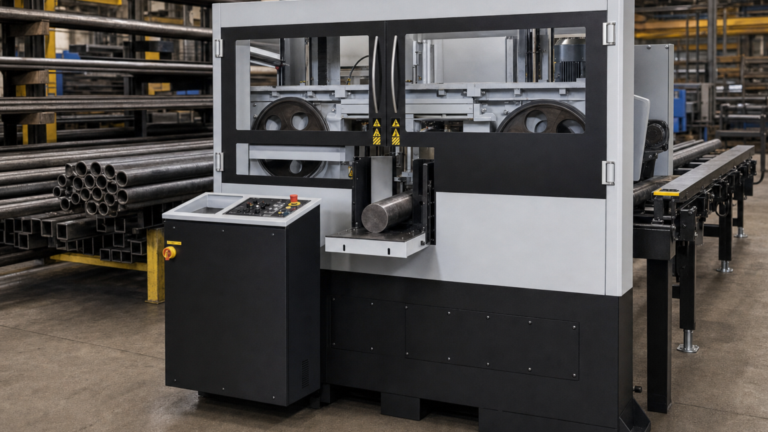
When a HYDMECH H-14A blade-deviation alert interrupts a cut, record the exact display, cycle point, machine identity, and cutting conditions. Treat the alert as an observation, not a diagnosis.
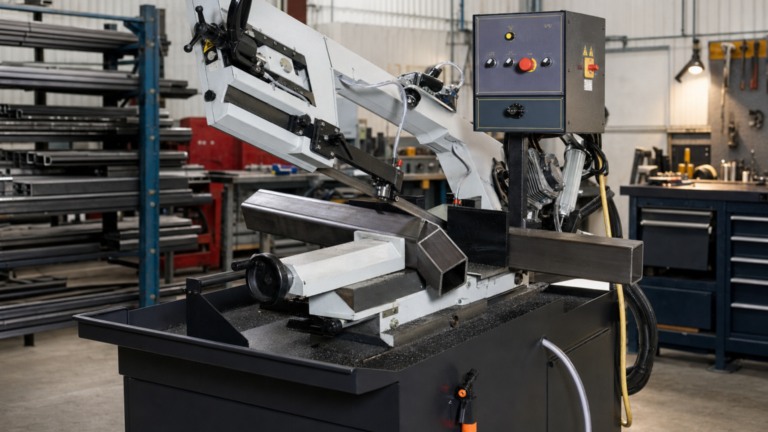
The manually operated HYDMECH DM-12/15 cuts metal at square and miter angles, but its capacity changes with cut direction and workpiece shape. Compare recurring parts with the exact angle-specific capacity before deciding whether the saw fits.
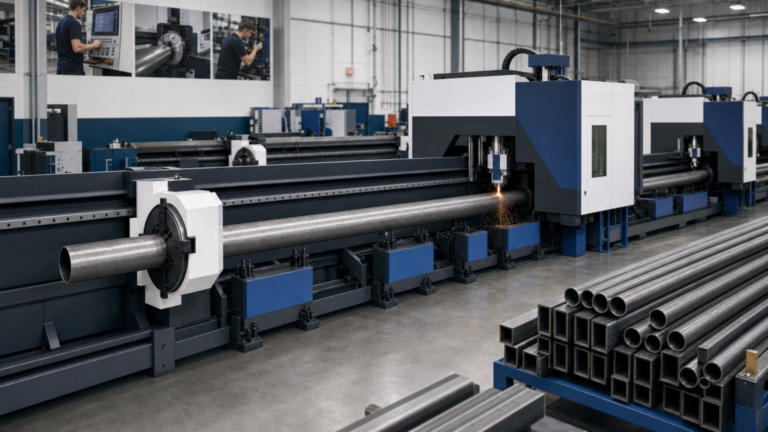
BLM’s expanded Novi training center adds a 17,000-square-foot machine bay with LT6, LT7, and LT8 tube lasers. Its announced capacity of up to eight machine-training classes per week is not a guarantee of a particular course or open seat.
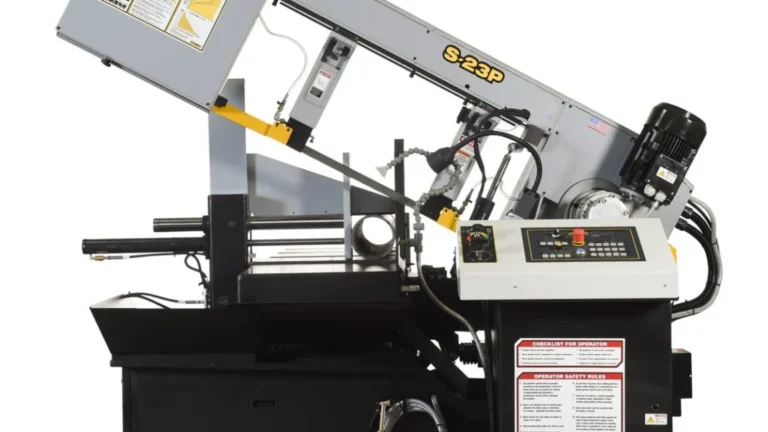
Describe the measured miter angle and through-height cut-face error on removed S-23P samples, then connect those observations with stock dimensions, existing settings and blade history for machine-specific service support.
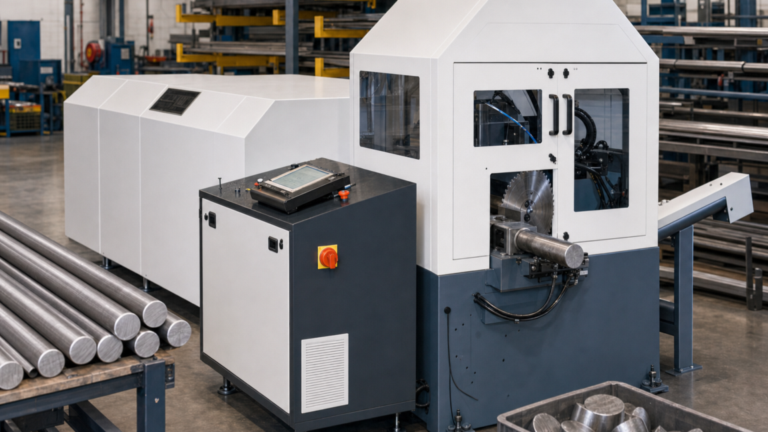
The HYDMECH CSNC-65 automatically feeds and cuts compatible round or square bar stock for repeat 90-degree cutoff. See where its capacity and automation fit, and what operators can safely record when an alarm or cut-quality change needs service attention.
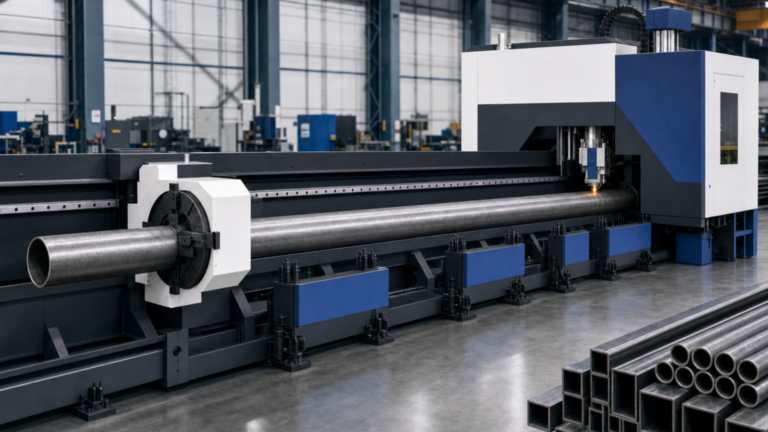
HSG’s August 24, 2026 U.S. milestone creates a broader support context for TS2 tube-laser users, but it does not replace disciplined shop-side preparation. Machine identity, alarm evidence, job conditions, maintenance history, and safe access information still determine how useful the first support response can be.

How to separate a Fibermak Momentum Gen-5 alarm from cut-quality drift, preserve the right machine and process evidence, and decide when remote support, parts coordination, or onsite service is appropriate.
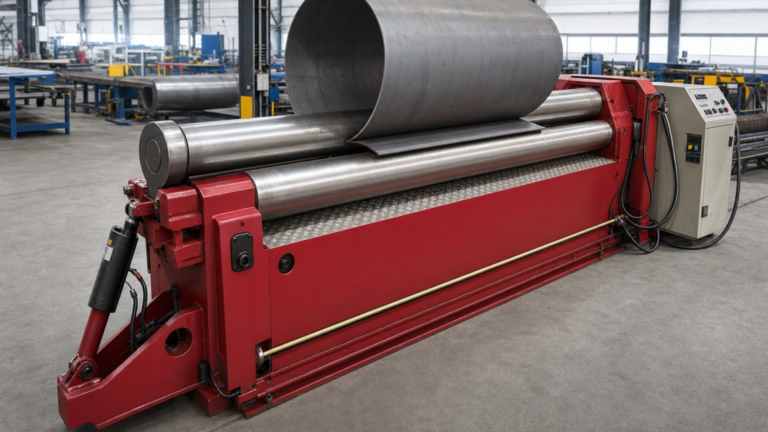
Before requesting service for an Akyapak AHV, capture the machine configuration, serial number, material, target profile, active roll geometry, defect pattern, alarm evidence, recent changes, and safe photos. That information helps support personnel separate a forming-result problem from a setup question without encouraging unsafe troubleshooting.
End of content
End of content