RYTECH FORCE ONE Press Brake Capacity and Fit
Compare the FORCE ONE’s listed force classes, working lengths, axes, clearance, crowning, and tooling against representative sheet- and plate-bending work.

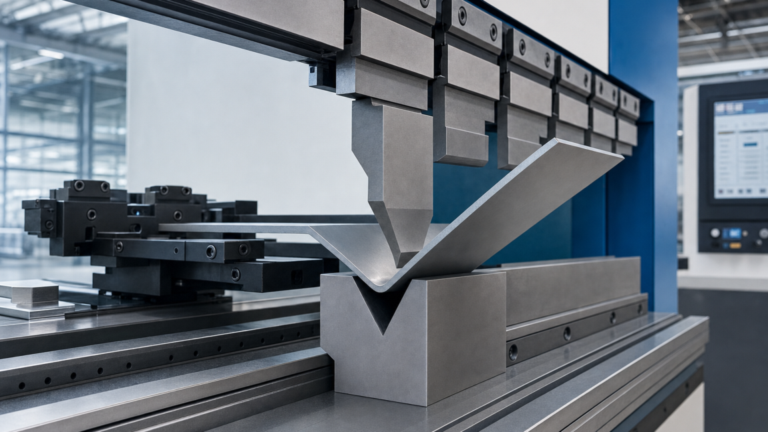
Compare the FORCE ONE’s listed force classes, working lengths, axes, clearance, crowning, and tooling against representative sheet- and plate-bending work.
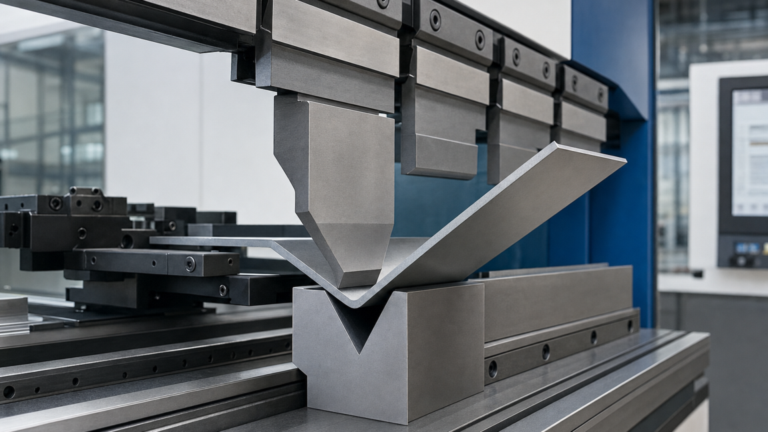
The TRUMPF–Mate deal broadens supplier coverage, not tooling interchangeability. Existing holders, punch clearance and die selection still determine fit.
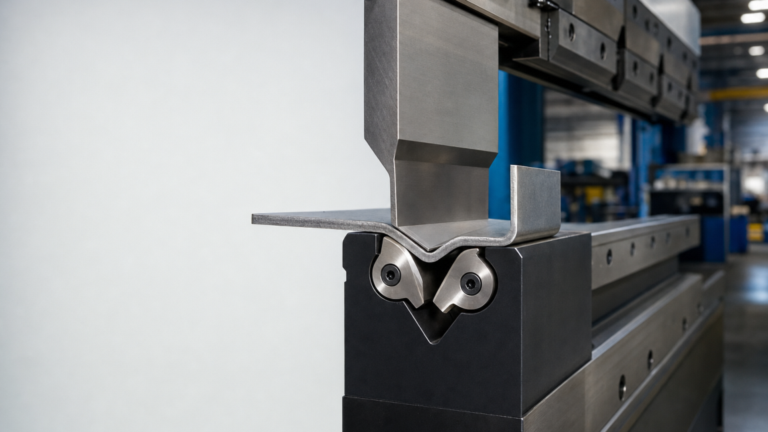
Wilson Tool V-Series Black rotating-insert dies are worth evaluating when conventional tooling cannot support a short flange. Compare the alternatives through flange geometry, surface quality, punch clearance, bend length, load and CNC setup.
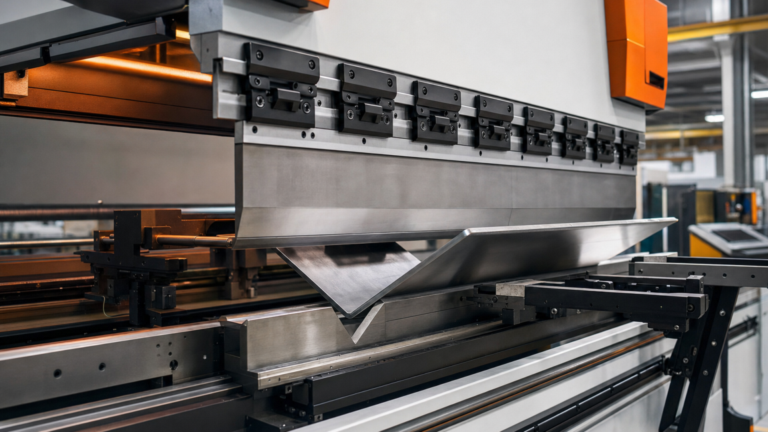
The Power-Bend Falcon is a hydraulic CNC press brake to evaluate for recurring sheet-metal bends. Compare its series range and options with actual parts, tooling, and the quoted machine configuration.
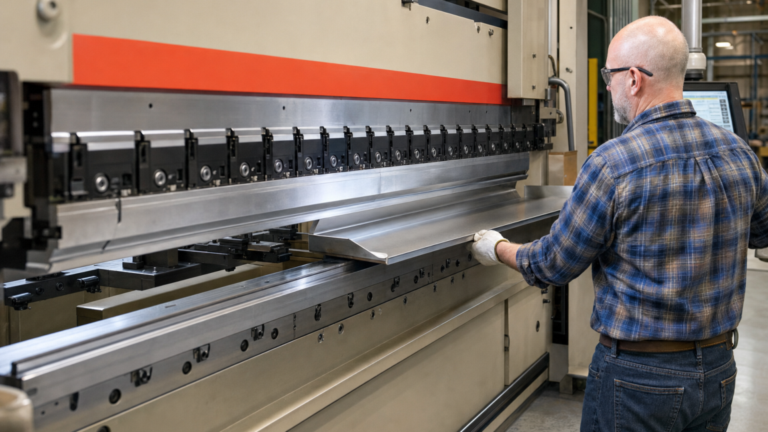
Wilson Tool’s August 28, 2026 FABTECH announcement gives fabricators a timely way to separate three bending decisions: clamping for tool-change delays, crowning for deflection-related variation, and custom tooling for difficult geometry. The existing brake still has to meet the part’s force, envelope, and control requirements.

An existing CNC press brake can often form a closed or gapped hem without moving the part to another forming machine. The right choice among a conventional two-hit sequence, two-stage die, bend-and-hem tool, and custom gapped tooling depends on material range, flange geometry, machine compatibility, surface requirements, and recurring production volume.
End of content
End of content