
A press brake that starts drifting at the bottom of stroke or suddenly loses tonnage is a call I handle weekly, usually right after an operator has already tried cycling the machine and hoping it clears. My job is to keep production moving by identifying the correct OEM components quickly, confirming whether the root cause is calibration, fluid condition, valves, or controls, and then coordinating parts shipment and service support so the fix is done once and stays done.
Common Hydraulic Failure Modes That Cause Unplanned Downtime
Most unplanned press brake hydraulic failures trace back to fluid issues, valve sticking, or control feedback problems that look like hydraulics at first. Early warning signs operators miss include slow approach speed, inconsistent bending angle side to side, cylinder drift during holds, unexplained pressure spikes, or intermittent alarms that clear after reset. The affected systems are typically the hydraulic power unit, proportional and directional valves, cylinder seals, pressure sensors, and the CNC control feedback loop. The practical approach is to isolate whether it is calibration or hardware by checking fluid level and condition, verifying suction strainers and return filtration, reviewing alarm history, and confirming pressure readings against a known reference before replacing valves or sensors, then rechecking repeatability and tonnage after repair.
To prevent repeat failures, I recommend an operator level daily look for temperature changes, new noises, and any increase in cycle time, plus a weekly check of visible hoses and fittings for seepage. Monthly, capture baseline pressure and approach speed and compare it to the machine’s normal behavior, because trends are usually visible before a shutdown happens. When parts are needed, OEM accuracy matters because valve response curves, sensor scaling, and seal materials directly affect calibration stability and bend repeatability, and fast coordination is easiest when we match the machine configuration correctly through serial and build details.
Early Wear Indicators and Leak Sources to Catch Before They Escalate
Most leaks that turn into downtime start as minor weeping at cylinder rod seals, hose crimps, manifold fittings, or at the tank cover where vibration loosens hardware. Early warning signs include misting around the ram area, oil collecting dust on a fitting, a rising oil temperature, and a need to top off fluid more often than normal, all of which point to either aeration, internal bypass, or external seepage. The systems involved are cylinders, hose assemblies, manifolds, quick couplers, reservoir breathers, and heat exchangers. The fix is to identify whether the leak is external or internal by cleaning the area, running a short cycle test, checking for pressure decay during holds, and then replacing seals, hoses, or fittings as a matched set, followed by bleeding air and confirming stable hold pressure and repeatable angle.
If a chiller alarm or elevated oil temperature shows up, do not assume it is only cooling equipment. High temperature accelerates seal wear and changes oil viscosity, which can make a proportional valve act erratically and look like a control issue, so I always have shops verify airflow, coolant flow, and exchanger cleanliness while also checking oil condition. A realistic cadence is a quick visual inspection each shift, a detailed wipe down and recheck weekly, and a scheduled hose and seal review at least semiannually, with earlier replacement if the machine runs multiple shifts or in hot environments.
Predictable Maintenance Practices That Extend Press Brake Hydraulic Life
Reliable uptime comes from treating hydraulics like a controlled system, not a mystery. The most common causes of premature wear are contaminated fluid, neglected filtration, incorrect oil, and skipped calibration checks that let small drift turn into rework and then downtime. The systems impacted are fluid, filters, tank breathers, pumps, valves, sensors, and the CNC parameters that translate pressure and position into a bend. The practical routine is to keep oil clean and correct, change filters based on condition and run time, verify pressure and backgauge repeatability on a simple test part, and recalibrate only after confirming the mechanical and hydraulic health so you do not chase a bad valve with software settings.
For planning, I suggest a weekly check of oil level, temperature, and visible contamination, a monthly inspection of filter indicators and breather condition, and a quarterly review of baseline pressures, hold performance, and approach speed. If a machine is seeing heavy duty cycles, add periodic oil sampling to catch water or particulate contamination before it damages pumps and valves, and use OEM spec consumables so the control response stays consistent. When you need a replacement valve, seal kit, sensor, or filtration component, ordering through a known configuration is faster and reduces rework, and the quickest way to get the right items lined up is through our parts portal at https://shop.mac-tech.com/.
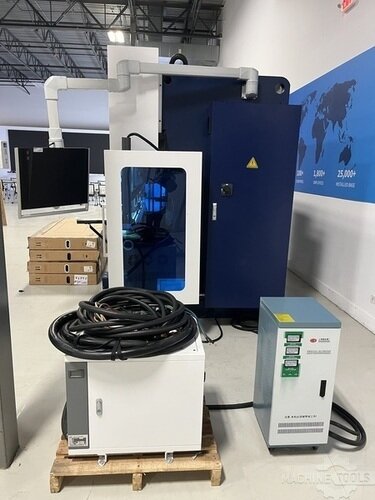
HSG HC1703
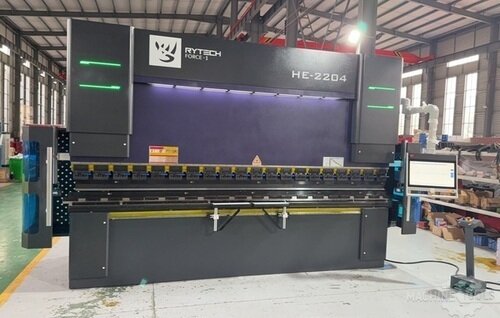
RYTECH FORCE-1 HE 2204
Getting Parts and Service Support Through Nicole Salato at nicole@mac-tech.com
When a brake is down, the fastest path is accurate identification first, then coordinated parts and service, not guessing and swapping. I typically ask for the machine model and serial, photos of the issue area, any alarm codes, and a short description of the symptom pattern such as drift only when warm or pressure drops only under load, because that helps determine whether we are dealing with calibration, fluid, valves, or controls. The main categories I help source and schedule support for include hydraulic filtration and breathers, hose and fitting assemblies, cylinder seals, valves and manifolds, pressure sensors and switches, and control related feedback components. After the repair, I have shops confirm leak free operation, stable oil temperature, consistent pressure under hold, and angle repeatability across multiple cycles to prevent the same call from coming back.
If you want to speed up downtime recovery, I also help set up a short list of recommended spares based on how the machine is used, because the right seal kit, filters, and a few common hydraulic wear items can turn a multi day delay into a planned maintenance stop. For ordering and visibility, you can start with https://shop.mac-tech.com/ and then send me the details so I can verify OEM accuracy and coordinate any onsite service needed. If your team is also tracking overall equipment uptime across equipment types, https://vayjo.com/ can support maintenance planning and documentation workflows that make hydraulic trends easier to catch before they stop production.
FAQ
What service intervals make sense for brakes, lasers, saws, and rolls?
Many shops plan operator checks each shift, weekly cleaning and inspection, and preventive service every 3 to 6 months, with a deeper annual review depending on hours and environment.
How do I spot hydraulic wear before it becomes downtime?
Watch for longer cycle times, rising oil temperature, frequent top offs, drift during holds, and inconsistent angles that show up intermittently before they become constant.
What information should I send to identify the right part fast?
Send model and serial, clear photos of the component and surrounding plumbing, alarm codes or screen shots, and a short note describing when the symptom happens and how often.
Is OEM really necessary for hydraulic components?
OEM matched valves, sensors, and seal materials protect calibration stability and repeatability, and they reduce the risk of response curve mismatches that create new issues after repair.
What spares should we keep on hand for uptime protection?
At minimum, keep filters, breathers, commonly used seals, and a few high failure risk hose and fitting assemblies based on your machine’s history and shift schedule.
What post-repair checks prevent repeat failures?
Confirm leak free operation, bleed air properly, validate pressure stability during hold, check oil temperature under load, and run a repeatability test part to confirm consistent angles.
Contact me at nicole@mac-tech.com to schedule preventive maintenance, coordinate service, or get OEM parts support through https://shop.mac-tech.com/.
Get Weekly Mac-Tech News & Updates
