
A common issue I help shops through is slow hydraulic drift that shows up as inconsistent angle from left to right, especially after warmup or a tool change. When that happens, production can quietly start making scrap long before anyone calls it a breakdown. I keep lines running by identifying the correct press brake parts quickly from the model, serial, photos, and alarm or parameter notes, then coordinating OEM parts and the right service support so calibration and verification happen in the same visit.
Calibration Practices That Keep Bend Accuracy Stable and Downtime Low
Drift usually starts with small changes that operators miss, like angle variation that gets worse across a shift, more crowning adjustments than normal, or a part that only fails at one end of the bed. The affected systems are typically the backgauge (encoders, linear scales, drive components), ram position feedback, hydraulic valves, and machine reference points that support repeatable Y axis positioning. The practical fix is to restore a known baseline with OEM calibration procedures, confirm sensor health and feedback stability, and then run a short capability check on representative material thicknesses after repair.
What to verify after calibration
- Y axis repeatability at several stroke depths and speeds
- Backgauge squareness and positioning consistency across travel
- Deflection compensation or crowning response on a known test part
- Angle measurement consistency if an angle system is installed
For prevention, I recommend routine verification with a simple bend test at the start of the week and after any tooling swap that changes tonnage or V opening, plus a documented calibration check on a monthly or quarterly cadence depending on throughput. If you need replacement components that influence calibration stability, the fastest path is ordering verified OEM-fit items through https://shop.mac-tech.com/ and pairing that with a scheduled service window so we fix root cause and not just symptoms.
Tooling and Clamping Inspections That Reveal Wear Before Parts Fail
Tooling-related drift often comes from wear that looks harmless, like polished shoulders, tiny chips on punch tips, mushroomed tangs, or a die that has started to bell-mouth. The affected areas are the punches and dies, tool holders and adapters, clamping systems, bed seating surfaces, and segmented tooling alignment interfaces. The fix is usually a combination of removing damaged tooling from circulation, cleaning and stoning seating surfaces correctly, replacing worn clamping elements or springs, and rechecking tonnage limits and tool loading so the machine is not compensating for bad contact.
Early warning signs operators miss
- More angle correction needed after flipping parts or rotating tooling segments
- Witness marks on tangs or inconsistent clamping pressure across stations
- Parts that measure fine but assemble poorly due to small radius change
- Audible clicking during clamping or release that was not there before
For prevention, I suggest a quick daily wipe down and visual check during setup, a weekly inspection of high-use punches and common V dies, and a monthly clamp and holder check that includes torque, alignment, and seating condition. Planned tooling checks prevent the machine from chasing angles with compensation values that mask the real problem and create instability later, and I can help match the right OEM tooling and clamping wear items through https://shop.mac-tech.com/ so the fit and accuracy stay predictable.
Predictable Maintenance Routines That Extend Press Brake Life and Reduce Drift
Calibration and tooling checks will not hold if the machine is fighting fluid, heat, or mechanical play, and the early signs are usually subtle like temperature-related angle shift, slower approach speed, pump noise changes, or backgauge motion that feels slightly rough. The main systems involved are hydraulics (seals, filters, valves), lubrication, guides and gibs, electrical cabinets and cooling, and the backgauge drive and support bearings. The practical approach is to restore baseline conditions with correct fluid care, filter and seal replacements when trending indicates it, verification of lubrication delivery, and a post-maintenance accuracy check so you confirm the machine is stable and not just running.
Suggested inspection cadence
- Daily: quick leak check, clamp function check, and abnormal noise or heat review
- Weekly: filter indicators, lubrication function, and backgauge clean and inspect
- Quarterly to semiannual: hydraulic sampling or change per usage, alignment verification, and repeatability test bends
- Annually: deeper inspection of guides, gibs, and feedback devices with documented results
If your team also runs lasers, saws, or rolls, the same stability mindset applies across the floor, and consistent verification prevents slow drift from turning into scrap and rework. When you are comparing OEM and non-OEM wear parts, OEM-fit components reduce variability in feedback signals and sealing performance, which is why I push planned maintenance paired with fast coordination and accurate parts identification. For shops implementing digital checklists or standard work, Vayjo can support the workflow side of verification so inspections actually happen on schedule: https://vayjo.com/.
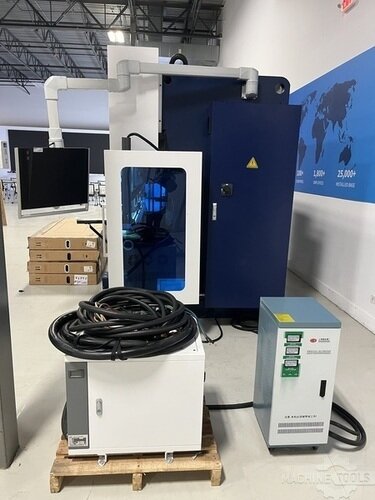
HSG HC1703
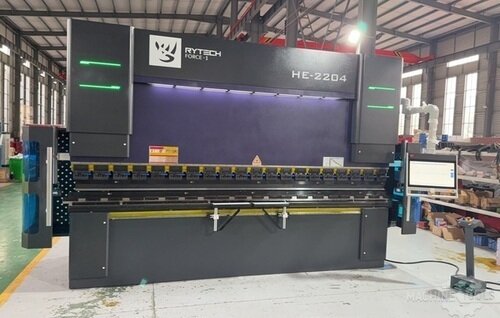
RYTECH FORCE-1 HE 2204
Getting Parts and Service Support from Nicole Salato at nicole@mac-tech.com
When a press brake starts drifting, the fastest fix comes from treating calibration, tooling, and maintenance as one system, not three separate tasks. I focus on quick part identification and coordination, including feedback devices, hydraulic wear components, clamping elements, and tooling accessories, so repairs are correct the first time and you can verify accuracy immediately after. Ordering through https://shop.mac-tech.com/ helps eliminate delays, and I will align parts delivery with service scheduling so you are not waiting on one last item while production sits.
What to send for the fastest turnaround
- Machine make, model, and serial number
- Photos of the issue area, tooling seating, and any leaks or wear
- Alarm codes, parameter notes, and a description of when drift appears
- Sample measurement data from test bends across the bed
If you want to reduce repeat calls, I can also help set up a small spares plan around your highest-risk wear categories so you can respond the same day and keep calibration stable. The goal is steady bend accuracy that holds across shifts, operators, and setups, with OEM reliability and a routine verification plan that catches drift early.
FAQ
How often should press brakes be checked for accuracy drift?
Most shops benefit from a weekly quick test bend and a monthly or quarterly documented verification, with extra checks after major tooling changes or a service event.
What service intervals are reasonable for brakes, lasers, saws, and rolls?
Common ranges are quarterly to semiannual preventive checks for press brakes and rolls, and monthly to quarterly checks for lasers and saws depending on hours, environment, and material mix.
How do I spot tooling wear before it causes scrap?
Watch for rising angle adjustments, end-to-end variation, and new witness marks on tangs or clamps, then inspect punch tips, die shoulders, and seating surfaces before the next run.
What information should I provide to identify the right part fast?
Send the machine model and serial, clear photos, alarm codes, and notes on when the problem occurs, plus any recent changes like tooling swaps or fluid service.
OEM vs non-OEM parts, what matters most for drift prevention?
OEM-fit parts typically provide more consistent feedback and sealing performance, which reduces variability that shows up as calibration instability over time.
What spares should I keep on hand for uptime protection?
Many shops stock common hydraulic wear items, filters, and key clamping wear components, plus critical feedback-related items based on your machine and usage.
What post-repair checks prevent repeat failures?
After repairs, run repeatability test bends, confirm backgauge positioning consistency, validate clamping pressure across stations, and document baseline readings for future comparisons.
Contact me at nicole@mac-tech.com to schedule preventive maintenance, coordinate service, or source OEM parts fast through https://shop.mac-tech.com/.
Get Weekly Mac-Tech News & Updates
