
In the ever-evolving world of manufacturing, precision and quality are paramount. One of the most effective ways to achieve these goals is through the use of laser gas systems. These systems are designed to enhance the cutting process, ensuring consistent and high-quality results. This article delves into the intricacies of laser gas systems, their benefits, and how to choose the right one for your specific needs.
Understanding Laser Gas Systems for Precision Cutting
Laser gas systems are integral to the functionality of laser cutting machines. These systems utilize a mixture of gases, such as nitrogen, oxygen, and carbon dioxide, to facilitate the cutting process. The type and mixture of gases used can significantly impact the quality and precision of the cut. For instance, oxygen is often used for cutting thicker materials due to its ability to produce a cleaner cut, while nitrogen is preferred for cutting thinner materials to prevent oxidation.
The precision of laser gas systems lies in their ability to control the flow and pressure of the gases. This control ensures that the laser beam remains focused and consistent, resulting in precise cuts. Additionally, the use of high-purity gases minimizes the risk of contamination, which can affect the quality of the cut. By maintaining a consistent gas flow, manufacturers can achieve repeatable and reliable results, which is crucial for high-volume production.
Moreover, advancements in laser gas system technology have led to the development of automated systems that can adjust gas mixtures and pressures in real-time. This automation not only enhances precision but also reduces the need for manual intervention, thereby increasing efficiency. As a result, manufacturers can produce high-quality products with minimal downtime, ultimately improving their bottom line.
Benefits of Using Laser Gas Systems in Manufacturing
One of the primary benefits of using laser gas systems in manufacturing is the significant improvement in cutting quality. The precise control of gas flow and pressure ensures that each cut is clean and accurate, reducing the need for secondary processing. This level of precision is particularly important in industries such as aerospace and automotive, where even the smallest deviation can have serious consequences.
Another key advantage is the increased efficiency that laser gas systems offer. By automating the gas control process, manufacturers can reduce the time and effort required to set up and monitor the cutting process. This not only speeds up production but also allows for more consistent results. Additionally, the use of high-purity gases reduces the risk of equipment damage and maintenance issues, further enhancing operational efficiency.
Cost savings are also a significant benefit of laser gas systems. While the initial investment may be higher compared to traditional cutting methods, the long-term savings are substantial. The improved cutting quality reduces material waste, and the increased efficiency lowers labor costs. Furthermore, the durability and reliability of laser gas systems mean fewer replacements and repairs, resulting in lower overall maintenance costs.
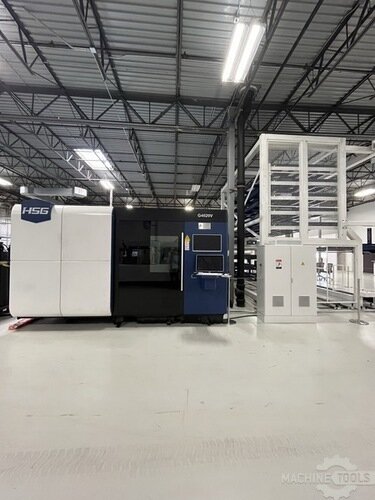
HSG G4020V 6G 30KW + STORE 4020 6
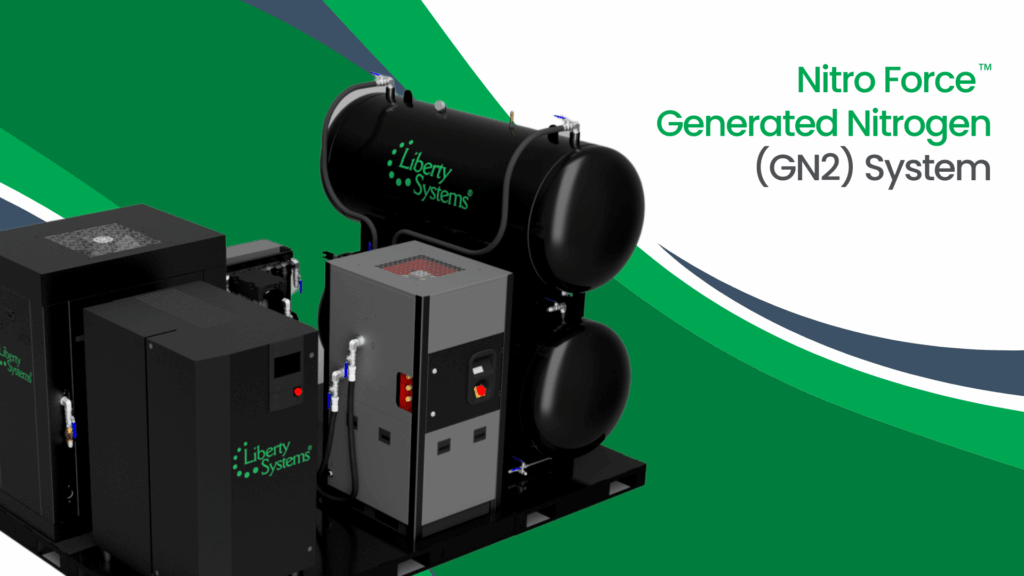
HIGH PURITY NITROGEN GENERATORS FOR LASER CUTTING
How to Choose the Right Laser Gas System for Your Needs
Selecting the right laser gas system for your manufacturing needs involves several key considerations. First and foremost, it is essential to understand the specific requirements of your cutting applications. Different materials and thicknesses may require different gas mixtures and pressures. Consulting with a specialist can help you determine the optimal configuration for your needs.
Another important factor to consider is the level of automation you require. Automated laser gas systems offer numerous benefits, including increased precision and efficiency. However, they may come at a higher cost. It is crucial to weigh the benefits against the investment to determine if an automated system is the right choice for your operation. Additionally, consider the scalability of the system to ensure it can grow with your business.
Finally, it is vital to evaluate the support and service options available from the supplier. A reliable supplier will offer comprehensive support, including installation, training, and ongoing maintenance. This support is crucial for maximizing the performance and lifespan of your laser gas system. Building a relationship with a trusted supplier can provide peace of mind and ensure that you have access to expert advice and assistance when needed.
FAQ
What gases are commonly used in laser gas systems?
Common gases used in laser gas systems include nitrogen, oxygen, and carbon dioxide. Each gas has specific properties that make it suitable for different cutting applications.
How does the purity of the gas affect the cutting process?
High-purity gases minimize the risk of contamination, which can affect the quality of the cut. Using pure gases ensures consistent and precise results.
Can laser gas systems be used for all types of materials?
Laser gas systems are versatile and can be used for a wide range of materials, including metals, plastics, and composites. However, the type of gas and its mixture may vary depending on the material being cut.
What are the maintenance requirements for laser gas systems?
Regular maintenance is essential to ensure the optimal performance of laser gas systems. This includes checking gas purity, inspecting equipment for wear and tear, and calibrating the system as needed.
How do automated laser gas systems improve efficiency?
Automated systems can adjust gas mixtures and pressures in real-time, reducing the need for manual intervention. This increases efficiency and ensures consistent cutting quality.
Is it cost-effective to invest in a laser gas system?
While the initial investment may be higher, the long-term savings from improved cutting quality, reduced material waste, and lower maintenance costs make laser gas systems a cost-effective choice.
What should I look for in a laser gas system supplier?
Look for a supplier that offers comprehensive support, including installation, training, and ongoing maintenance. A reliable supplier will help you maximize the performance and lifespan of your system.
Investing in a laser gas system can significantly enhance the precision and quality of your cutting processes. By understanding the benefits and knowing how to choose the right system, you can make an informed decision that will improve your manufacturing operations. For personalized guidance and expert advice, don’t hesitate to reach out.
Get Weekly Mac-Tech News & Updates
