
Structural and industrial fabrication teams in oil and gas skids, bridge components, shipyard supports, and tower work are fighting the same problem: limited skilled labor, tight delivery windows, and high downtime risk when fit-up fails late in the build. As Regional Sales Executive at Mac-Tech, I act as the single point of contact to quantify ROI, reduce schedule risk, and coordinate turnkey bending and fabrication automation from layout planning through commissioning, training, and long-term service continuity.
Fit-Up Risk and Hidden Costs in Structural Fabrication Workflows
Fit-up risk is an executive problem because it hides in plain sight as schedule variability, overtime, and downstream congestion at weld, grind, and paint. When tube and pipe assemblies arrive out of tolerance, every correction consumes high-cost labor and compresses the critical path.
Where hidden cost typically shows up
- 2–6 extra touchpoints per assembly: measure, cut, bevel, tack, fit, rework, grind
- 5–20% rework rate on multi-piece frames due to accumulated tolerance stack-up
- 1–3 days of queue time created when welding becomes the “catch-all” correction step
- Higher incident exposure from repeated handling, lifting, and repositioning during fit-up
Ercolina bending reduces those hidden costs when it replaces multiple cut-and-weld joints with repeatable formed geometry that fits fixtures and downstream processes. Cut and weld remains smarter when geometry is too complex to form, materials vary unpredictably, or design changes are frequent enough that a flexible welding workflow protects schedule better than programming and tooling.
Decision Criteria for Ercolina Bending vs Cut and Weld ROI
The best decision is rarely about capex alone. It is about which method lowers total cost per assembly while protecting ship dates, especially when labor availability and weld capacity are already constrained.
When Ercolina bending typically wins
- High repeat volume: 50–500+ identical bends per month with stable radii and centerline dimensions
- Weld reduction opportunity: eliminate 1–4 joints per assembly to cut fit-up and inspection time
- Predictable material: consistent OD, wall, and grade that holds springback within a controllable window
- Schedule reliability goals: reduce fit-up variability so welding is planned work, not rework work
When cut and weld remains the smarter path
- Low-run or prototype work: fewer than ~20 parts where setup and validation outweigh savings
- Frequent design revisions: daily or weekly changes where manual fit-up is faster than revising programs and tooling
- Complex compound geometry: intersecting nodes, copes, or multi-axis features better served by cutting plus welding
- Mixed incoming material: wide variation that drives bend correction and increases scrap risk
In many shops, the strongest ROI is hybrid: use Ercolina bending to standardize the highest-volume or highest-rework bend families, then use cut and weld for exceptions. I help quantify that split using real shift data: labor hours per assembly, weld inches, defect rates, and how many builds are waiting on fit-up at any given time.
Solution Options Dave Graf Can Integrate from Standalone Bending Cells to Automated Lines
Mac-Tech can scale bending from a dedicated cell to a connected line that reduces manual handling and stabilizes throughput. Ercolina benders are often a practical starting point because they can be deployed quickly, then expanded with supporting fabrication and material flow as volume grows.
Standalone bending cell
- Ercolina bender with repeatable tooling and documented setups to reduce changeover to 10–30 minutes
- Basic gauges and part identification to keep WIP organized and reduce mixed-lot errors
- Operator training focused on springback control, bend sequencing, and first-article validation
Integrated fabrication workflows when bending is part of a larger build
- HSG Fiber Lasers for high-throughput tube or plate cutting when holes, slots, or copes must align with bend features
- Liberty, Akyapak, and Ermaksan equipment where forming, plate prep, or complementary fabrication reduces bottlenecks upstream or downstream
- Prodevco automation when structural processing, marking, and part traceability are required to keep fit-up consistent across shifts
For budgeting and configuration, I typically start with a layout and a production map, then define what stays manual versus what becomes assisted or automated. When customers are ready to evaluate equipment options and configurations, I point them to a starting place for system context and accessories at https://shop.mac-tech.com/.
Implementation and Integration Risks Material Variability Tooling and Operator Changeover
Most bending projects succeed or fail on variability control, not on machine capability. The key risks are springback drift from inconsistent material, incorrect tooling selection, and changeover discipline across multiple operators and shifts.
Primary risks and how we mitigate them
- Material variability: validate incoming tube and pipe specs, run bend tests by heat lot, and document correction factors
- Tooling mismatch: select radius, CLR, and support tooling to protect ovality and dimensional stability, reducing scrap events
- Changeover errors: standard work instructions, labeled tooling, and setup verification to keep first-pass yield high
- Integration risk: staging and handling plans to reduce lifts, avoid damage, and keep parts flowing to welding without congestion
My role is to coordinate the full implementation: layout planning, power and anchoring requirements, delivery scheduling, installation, commissioning, training, and service continuity across the full set of systems in the cell or line. When a project includes digital workflow or scheduling integration, a supporting resource such as https://vayjo.com/ can help align quoting, production visibility, and execution so bending gains translate into predictable ship dates.
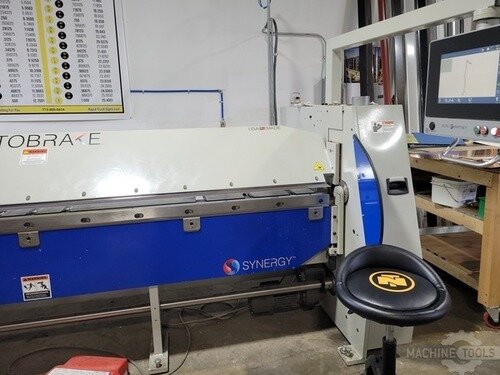
ROPER WHITNEY AB1016
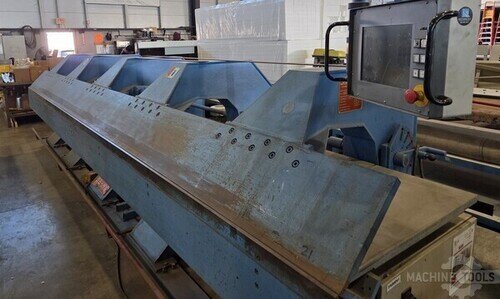
JORNS AG MAXI-LINE-150SW-SO-CNC500-6.4-HS
Measurable Outcomes Reduced Rework Higher Throughput and Lower Total Cost per Assembly
Executives should insist on measurable outcomes tied to constraints: weld labor availability, inspection capacity, and on-time delivery. The most common improvement is not just faster bending, but fewer downstream disruptions caused by fit-up inconsistency.
Typical measurable results when bending replaces cut-and-weld joints
- Rework reduction: 30–70% fewer fit-up corrections on repeat assemblies with stable designs
- Throughput improvement: 10–25% more assemblies per shift by removing weld and grind hours from the critical path
- Labor reallocation: 0.5–2.0 FTE equivalent freed from repetitive fit-up and rework for higher-value welding and finishing
- Schedule stability: fewer “surprise” delays, with reduced queue time at welding and paint due to better part-to-fixture consistency
- Safer handling: fewer repositioning events and less manual manipulation of awkward subassemblies
I help customers set up a before-and-after scorecard: touchpoints per part, minutes per joint, rework percentage, and WIP days in front of welding. That scorecard becomes the ROI proof and the basis for continuous improvement after commissioning.
Next Steps for Structural Fabricators Evaluating Bending Automation with Dave Graf as H2 headings (##)
Start by identifying the assemblies that consistently consume the most fit-up time or cause late-stage quality escapes. Then decide whether the intent is labor reduction, capacity expansion, or schedule risk reduction, because that determines the right level of automation.
A practical evaluation plan
- 2-week data pull: top 10 assemblies by rework hours, weld repair rate, and queue time before welding
- Part family selection: choose 1–3 bend families that represent 60–80% of repeat volume
- Cell concept: define footprint, handling, fixture strategy, and target cycle time per part
- Implementation plan: delivery timeline, training schedule, and service coverage strategy for uptime protection
I coordinate the entire project across equipment and supporting systems so you do not have multiple vendors pointing fingers when priorities shift. If you want to review bending configurations, tooling options, and related fabrication solutions, start at https://shop.mac-tech.com/ and I will map those options to your throughput and risk targets.
FAQ
What lead times should I plan for bending equipment and tooling?
Lead times vary by configuration and tooling complexity; I confirm timing early and build an implementation schedule that aligns with your production windows.
How do we reduce implementation risk when material properties vary by supplier or heat lot?
We plan a bend-validation process with documented correction factors and acceptance checks so variability is managed before it becomes scrap or rework.
What does operator training typically look like?
Training is focused on safe operation, repeatable setup, first-article verification, and changeover discipline, with follow-up support after go-live.
How do you protect uptime after commissioning?
I coordinate service continuity, recommended spares, and maintenance planning so you have a clear path to keep utilization stable across shifts.
How should we measure ROI beyond “parts per hour”?
We track rework rate, weld hours removed, queue time in front of welding, and total touchpoints per assembly to connect bending directly to schedule reliability.
Can you integrate bending with cutting and downstream fabrication equipment?
Yes. I coordinate layout, handling flow, and commissioning across systems so bending, cutting, and welding work as one production plan rather than isolated islands.
Contact me for planning, demonstrations, or full project coordination at dave@mac-tech.com, 602-510-5552, or https://shop.mac-tech.com/.
Get Weekly Mac-Tech News & Updates
