
A chiller alarm or a drifting press brake axis usually hits right when a job is due, and most of the time the root cause is something small like a contaminated filter, a failing sensor, a worn seal, or a cooling flow issue that was giving subtle signs for days. In my role as Service & Parts Lead at Mac-Tech, I keep production moving by confirming the exact machine configuration, identifying the correct OEM part quickly, and coordinating service so the repair matches the real failure mode instead of just clearing the symptom. When we plan critical spares the right way, we protect uptime without tying up cash in parts that will sit on a shelf and expire.
Preventing Downtime on HSG Lasers and Press Brakes Through Critical Spares Planning
Most unplanned stops happen when a common wear item fails and the shop does not have the correct replacement on hand, or the part is close but not OEM accurate for the machine’s revision and options. On HSG lasers, early signs operators miss include rising chiller load, intermittent alarms, inconsistent cut quality, and unstable pierce behavior tied to cooling, gas delivery, optics contamination, or sensor faults. On press brakes, early signs often look like slow positional drift, inconsistent bend angles, hydraulic temperature changes, or noisy motion that points to valves, seals, filters, encoders, and lubrication systems needing attention.
The practical approach is to stock only the items with high failure probability and short lead time impact, then validate spares against model, serial, and configuration so they are truly ready to install. After any replacement, I recommend confirming the alarm history is clear, verifying pressures and temperatures are stable, checking alignment or calibration where applicable, and running a controlled test cut or bend program to confirm repeatability. For sourcing and verified compatibility, I point teams to our parts channel at https://shop.mac-tech.com/ and then I cross-check what is in the cart against the machine details before it ships.

EVO III – INDUSTRIAL CNC PRESS BRAKE EVO III
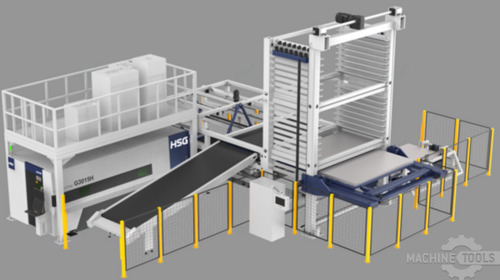
HSG-G3015H V2.0-STORE PRO3015 10 SHELF
Early Wear Indicators and High Risk Components That Drive Unplanned Stops
The highest risk components are the ones exposed to heat, contamination, vibration, and cycling, and the warning signs are usually subtle at first. For lasers, watch for gradual cut speed reductions, more frequent nozzle cleaning, gas pressure instability, and cooling system warnings that suggest strain on the chiller, filters, hoses, sensors, or optics protection components. For press brakes, look for increasing angle corrections, inconsistent backgauge positioning, hydraulic seepage, and rising oil temperatures that point toward wear in hydraulic components, filtration, seals, electrical feedback devices, and lubrication points.
High risk spares categories to prioritize
- Sensors and switches that stop the machine when they drift out of range
- Cooling and filtration items such as filters, strainers, and wear-prone hoses
- Pneumatic and hydraulic wear items including seals, fittings, and valve-related consumables
- Consumable interfaces that directly affect process stability like laser cutting consumables and brake tooling wear surfaces
The fix is rarely just swapping a part and hoping for the best. Replace the failed component, then inspect upstream and downstream conditions such as contamination, loose connectors, kinked lines, incorrect pressures, and misalignment that may have caused the failure. For prevention, operators should do quick daily checks for leaks, abnormal sounds, and alarm trends, then maintenance should do a weekly inspection of filtration, cooling performance, and motion smoothness, with a deeper monthly review of calibration stability and wear patterns.
Predictable Maintenance Routines That Extend Machine Life and Stabilize Operating Costs
Predictable routines work because they reduce variability, and variability is what turns small wear into sudden downtime. On lasers, sticking to routine chiller and filter checks, gas delivery verification, and consistent cleaning practices prevents overheating events and contamination that damages optics protection and sensor reliability. On press brakes, consistent lubrication, hydraulic oil and filtration management, and scheduled accuracy checks keep drift from becoming a hard stop and help you avoid chasing bend angle issues with constant program edits.
Inspection cadence that holds up in real shops
- Daily: quick leak check, alarm review, and visible contamination check around cooling and motion systems
- Weekly: filter condition review, cooling performance trend check, and verification of stable pressures and smooth axis motion
- Monthly: accuracy confirmation cuts or bends, connector and hose integrity check, and review of recurring alarms for root cause
- Quarterly to semiannual: oil and filtration evaluation, deeper calibration checks, and planned replacement of known wear items based on hours and environment
After maintenance or a repair, the most important step is validation. Confirm stable temperatures, pressures, and axis repeatability, then run a short production-representative trial to ensure the issue is resolved without introducing a new variable. If your team wants a digital workflow for organizing spare parts, service history, and recurring needs across lasers, brakes, and structural equipment, Vayjo can support that effort at https://vayjo.com/.
Getting Service and Parts Support With Nicole Salato at nicole@mac-tech.com
When you contact me, I focus first on OEM accuracy and speed, because the wrong part costs more than waiting a day for the right one. The fastest path is sharing the machine model and serial, clear photos of the failed area and labels, and any alarm codes or fault history so I can match the part to the exact configuration and coordinate service with the right scope. If we decide a spare is critical, I help you choose the smallest, highest-impact list that protects uptime without overbuying, then I align it with your ma/preventative-maintenance/intenance cadence and how hard the machine is being run.
For parts ordering, you can start at https://shop.mac-tech.com/ and then I will verify compatibility and help stage what belongs on the shelf versus what should be ordered as-needed. After we restore operation, I also encourage a quick post-repair check plan so the same failure does not repeat due to contamination, misalignment, cooling instability, or an overlooked upstream issue. That combination of planned maintenance, correct spares, and fast coordination is what keeps uptime predictable.
FAQ
How often should I service HSG lasers, press brakes, saws, and rolls?
Most shops do daily operator checks, weekly condition checks, and monthly deeper inspections, with quarterly to semiannual preventive service depending on hours, environment, and material mix.
What are the easiest ways to spot wear before it becomes downtime?
Track small changes like rising chiller load, more frequent alarms, cut quality drift, angle correction creep, slower axis response, and any new leaks or unusual noise.
What information should I send to identify the right part fast?
Send model and serial, photos of the tag and failed area, alarm codes or screenshots, and a short description of what changed right before the fault.
Should I use OEM or non-OEM parts for critical spares?
For uptime-critical components, OEM accuracy usually reduces fitment risk and repeat failures, especially when machine revisions and options affect compatibility.
Which spares are worth keeping on hand without wasting money?
Stock high-failure, high-impact items with long lead times such as common sensors, filtration and cooling wear items, and process-critical consumables, then review usage every quarter.
What post-repair checks prevent repeat failures?
Confirm stable pressures and temperatures, verify calibration or alignment where relevant, check for contamination or loose connections, and run a controlled test job before returning to full production.
Email me at nicole@mac-tech.com and I will help you set up preventive maintenance scheduling, coordinate service, or source OEM-accurate spares through https://shop.mac-tech.com/.
Get Weekly Mac-Tech News & Updates
